Crypto Guide: Top 10 Cryptocurrencies to Watch in 2026
If you’re wondering which cryptocurrencies are worth watching in 2026, the answer depends on your investment goals, risk tolerance, and the technology behind each project.
This guide compares the top 10 cryptocurrencies based on market capitalization, utility, ecosystem growth, and long-term investment potential.
What are the top 10 cryptocurrencies right now?
The top 10 cryptocurrencies usually include major assets such as Bitcoin, Ethereum, Tether, BNB, Solana, XRP, USDC, Dogecoin, Cardano, and TRON, depending on current market capitalization. Rankings change often because crypto prices move quickly.
Which cryptocurrency is best to invest in?
There is no single “best” cryptocurrency for everyone. Bitcoin is often viewed as the most established crypto, Ethereum is popular for smart contracts, and stablecoins are used for liquidity. Investors should compare market cap, use case, volatility, regulation, and risk before investing.
Key Takeaways
- Bitcoin remains the dominant store-of-value crypto.
- Ethereum leads smart contracts, DeFi, NFTs, and dApps.
- Stablecoins like USDT and USDC provide dollar-pegged liquidity.
- Solana, BNB, Cardano, and TRON compete on scalability and ecosystem use.
- XRP focuses on cross-border payments.
- Dogecoin remains highly speculative and community-driven.
- Rankings change quickly, so market-cap data must be updated regularly.
Comparison of the Top 10 Cryptocurrencies
| Cryptocurrency | Symbol | Primary Use | Consensus | Risk Level | Best For |
| Bitcoin | BTC | Digital store of value | Proof of Work | Medium | Long-term investors |
| Ethereum | ETH | Smart contracts & DeFi | Proof of Stake | Medium | Developers & DeFi |
| Tether | USDT | Stablecoin | Fiat-backed | Low | Trading & payments |
| XRP | XRP | Cross-border payments | XRP Ledger | Medium | Payment solutions |
| BNB | BNB | Binance ecosystem | Proof of Staked Authority | Medium | Exchange users |
| Solana | SOL | High-speed blockchain | Proof of Stake | Medium-High | Web3 & NFTs |
| USDC | USDC | Stablecoin | Fiat-backed | Low | Stable transactions |
| Dogecoin | DOGE | Payments & community | Proof of Work | High | Speculative investing |
| Cardano | ADA | Smart contracts | Proof of Stake | Medium | Sustainable blockchain |
| TRON | TRX | Content & DeFi | Delegated Proof of Stake | Medium | Digital entertainment |
Top 10 Cryptocurrencies to Watch in 2026 overview
- Bitcoin (BTC) – The world’s first and largest cryptocurrency.
- Ethereum (ETH) – A leading blockchain that powers smart contracts.
- Tether (USDT) – A US dollar-pegged stablecoin designed for fast.
- XRP (XRP) – A cryptocurrency built to enable fast, low-cost international payments.
- BNB (BNB) – The native cryptocurrency of the Binance ecosystem.
- Solana (SOL) – A high-speed blockchain known for its low fees.
- USD Coin (USDC) – A fully backed stablecoin that maintains a value.
- Dogecoin (DOGE) – A popular meme-inspired cryptocurrency.
- Cardano (ADA) – A research-driven blockchain focused on security.
- TRON (TRX) – A blockchain platform designed for decentralized content.
1. Bitcoin (BTC)
Why Bitcoin Remains Number One
Bitcoin is the world’s first cryptocurrency and remains the largest digital asset by market capitalization. Many investors consider it “digital gold” because of its fixed supply of 21 million coins and strong institutional adoption.
Pros and Cons
| ✓ Pros | ✕ Cons |
| Largest and most trusted cryptocurrency | Transactions can be slower than newer blockchains |
| Strong long-term store of value | Higher network fees during busy periods |
| Limited supply of 21 million coins | High energy consumption due to Proof of Work |
| Widely accepted by exchanges and institutions | Price can still be highly volatile |
2. Ethereum (ETH)
Why Ethereum Continues to Grow
Ethereum is the leading smart contract blockchain powering decentralized finance (DeFi), NFTs, and thousands of decentralized applications.

Pros and Cons
| ✓ Pros | ✕ Cons |
| Leading platform for smart contracts and dApps | Gas fees can become expensive during network congestion |
| Large developer and user ecosystem | Faces increasing competition from newer blockchains |
| Supports DeFi, NFTs, and Web3 projects | Scalability challenges still exist despite upgrades |
| Strong long-term growth potential | Smart contract vulnerabilities can pose risks |
3. Tether (USDT)
What Makes USDT Important?
Tether is the world’s largest stablecoin, designed to maintain a value close to one US dollar.
It provides liquidity across crypto markets and reduces exposure to volatility.
Pros and Cons
| ✓ Pros | ✕ Cons |
| Stable value pegged to the US dollar | Centralized issuer controls reserves |
| Widely used across crypto exchanges | Subject to regulatory scrutiny |
| High liquidity for trading | Doesn't offer long-term price appreciation |
| Fast and convenient for transfers | Relies on trust in reserve management |
4. XRP
Why XRP Matters
XRP focuses on fast and affordable international payments using Ripple’s payment technology.

Pros and Cons
| ✓ Pros | ✕ Cons |
| Fast and low-cost international transactions | Regulatory uncertainty in some countries |
| Efficient blockchain for payments | Adoption by banks is still evolving |
| Low transaction fees | Less decentralized than some competitors |
| Strong focus on financial institutions | Price can be influenced by legal developments |
5. BNB
Why Binance Coin Remains Popular
BNB powers one of the world’s largest cryptocurrency ecosystems, offering trading discounts, staking opportunities, and blockchain utility.

Pros and Cons
| ✓ Pros | ✕ Cons |
| Discounts on Binance trading fees | Closely tied to Binance's success |
| Powers the BNB Smart Chain ecosystem | Regulatory issues affecting Binance can impact BNB |
| Supports staking and DeFi applications | More centralized than some blockchain networks |
| Large and active ecosystem | Competition from other smart contract platforms |
6. Solana (SOL)
Why Solana Is One of the Fastest Growing Blockchains
Solana is known for its high-speed transactions and low fees, making it popular for gaming, NFTs, and decentralized finance.

Pros and Cons
| ✓ Pros | ✕ Cons |
| Extremely fast transaction speeds | Network outages have occurred in the past |
| Low transaction costs | Higher hardware requirements for validators |
| Popular for NFTs and DeFi | Faces strong competition from Ethereum |
| Growing developer ecosystem | Market volatility remains high |
7. USD Coin (USDC)
Why Investors Use USDC
USDC is a regulated stablecoin backed by US dollar reserves and widely used for payments and decentralized finance.
Pros and Cons
| ✓ Pros | ✕ Cons |
| Fully backed stablecoin with transparent reserves | No significant price growth potential |
| Maintains a stable value close to one US dollar | Centralized issuer |
| Widely accepted across DeFi platforms | Regulatory changes may affect usage |
| Suitable for payments and trading | Depends on banking infrastructure |
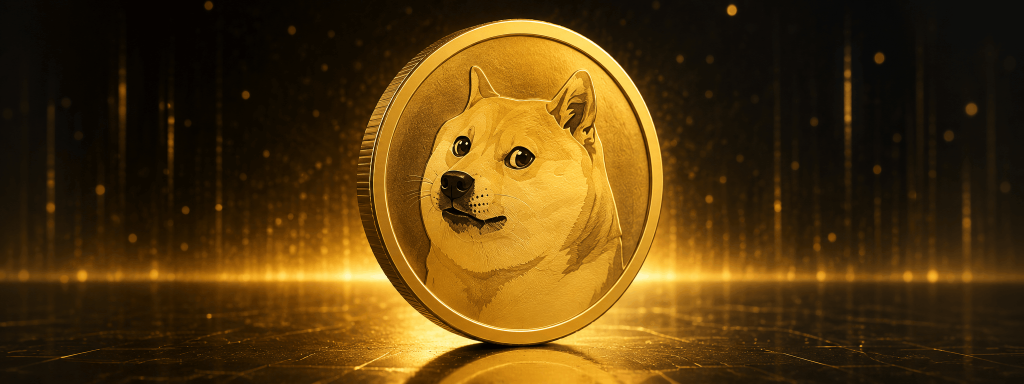
8. Dogecoin (DOGE)
From Meme Coin to Global Community
Originally created as a joke, Dogecoin has become one of the most recognized cryptocurrencies due to its active community and celebrity endorsements.
Pros and Cons
| ✓ Pros | ✕ Cons |
| Strong global community support | Highly speculative investment |
| Fast and inexpensive transactions | Unlimited supply may affect long-term value |
| Widely recognized cryptocurrency | Limited real-world utility compared to major blockchains |
| Supported by several exchanges | Price often driven by social media sentiment |
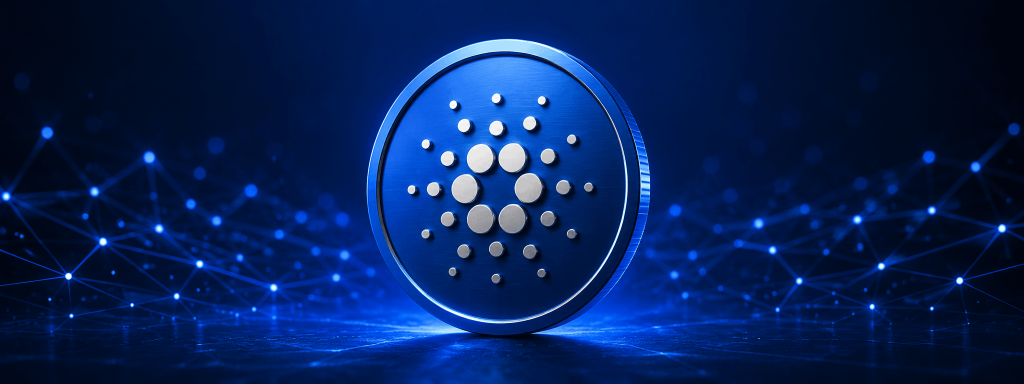
9. Cardano (ADA)
Why Cardano Stands Out
Cardano focuses on academic research, peer-reviewed development, and sustainable blockchain innovation.
Pros and Cons
| ✓ Pros | ✕ Cons |
| Research-driven blockchain development | Slower rollout of new features |
| Energy-efficient Proof of Stake network | Smaller DeFi ecosystem than Ethereum |
| Strong focus on security and scalability | Lower adoption than some competitors |
| Active developer community | Growth depends on ecosystem expansion |
10. TRON (TRX)
TRON’s Growing Ecosystem
TRON supports decentralized applications, stablecoins, and digital content platforms while offering low transaction costs.

Pros and Cons
| ✓ Pros | ✕ Cons |
| Fast and low-cost transactions | Concerns over decentralization |
| Popular for stablecoin transfers | Reputation can affect investor confidence |
| Growing DeFi and entertainment ecosystem | Faces strong competition from other Layer 1 blockchains |
| High transaction throughput | Governance model may not appeal to all users |
Conclusion
The long-term trajectory of the cryptocurrency market remains bullish, even amidst periods of market downturns. Many of the projects highlighted in our list may currently be trading at what could be considered significant discounts, presenting potential opportunities for savvy investors.
However, it’s essential for anyone looking to invest in cryptocurrencies to practice proper risk management and only invest what they can afford to lose. The cryptocurrency market is known for its volatility, which may be unsettling for those more accustomed to traditional financial markets.
For those who believe in the growth and future of cryptocurrencies, a buy-and-hold approach could be a prudent approach. If you’re uncertain about which cryptocurrencies to invest in, diversifying your holdings across several different assets could help spread risk, much like an investor would with a varied stock portfolio.
To get started with crypto trading today, take a look at these top cryptocurrency brokers or deepen your knowledge with our explainer article on what cryptocurrency is.
Frequently Asked Questions
What are the top 10 cryptocurrencies to watch in 2026?
The top cryptocurrencies to watch in 2026 include Bitcoin, Ethereum, Tether, XRP, BNB, Solana, USDC, Dogecoin, Cardano, and TRON. These digital assets are among the largest by market capitalization and continue to play a major role in the crypto market.
Which cryptocurrency has the most potential in 2026?
Cryptocurrencies like Ethereum, Solana, and Bitcoin are often considered to have strong long-term potential due to their widespread adoption, active development, and growing real-world use cases. However, future performance depends on market conditions and investor sentiment.
Is Bitcoin still worth watching in 2026?
Yes. Bitcoin remains the world’s largest cryptocurrency and is widely viewed as a long-term store of value. It continues to attract institutional investors and often sets the direction for the broader cryptocurrency market.
Is Ethereum better than Bitcoin?
Ethereum and Bitcoin serve different purposes. Bitcoin is mainly used as a store of value, while Ethereum powers smart contracts, decentralized applications, and blockchain-based services. The better choice depends on your investment goals.
Which cryptocurrency is best for beginners?
Many beginners start with Bitcoin or Ethereum because they are well-established, widely available, and supported by most cryptocurrency exchanges. Learning the basics before investing is always recommended.
Are stablecoins like USDT and USDC worth considering?
Yes. Stablecoins such as Tether (USDT) and USD Coin (USDC) are designed to maintain a stable value by being pegged to the US dollar. They are commonly used for trading, payments, and reducing exposure to market volatility.
Can Dogecoin still increase in value?
Dogecoin has the potential to grow, but it is considered a highly speculative cryptocurrency. Its price is often influenced by market sentiment, community support, and broader crypto trends.
Which cryptocurrency offers the fastest transactions?
Solana, XRP, and TRON are known for processing transactions quickly and at relatively low costs, making them popular choices for payments and decentralized applications.
Should I invest in the top 10 cryptocurrencies?
The top 10 cryptocurrencies can be a good starting point for research because they are generally the most established projects. Before investing, consider each coin’s technology, risks, market position, and your own financial objectives.
How often do the top 10 cryptocurrencies change?
The rankings can change frequently as cryptocurrency prices fluctuate. Market capitalization, investor demand, new technology, and adoption rates all influence which coins remain in the top 10 over time.
 ABOUT THE AUTHOR
See More
ABOUT THE AUTHOR
See More


Sidebar rates

