Argentina: External Debt Tops $300 Billion in Q2, Highest in Over Two Decades
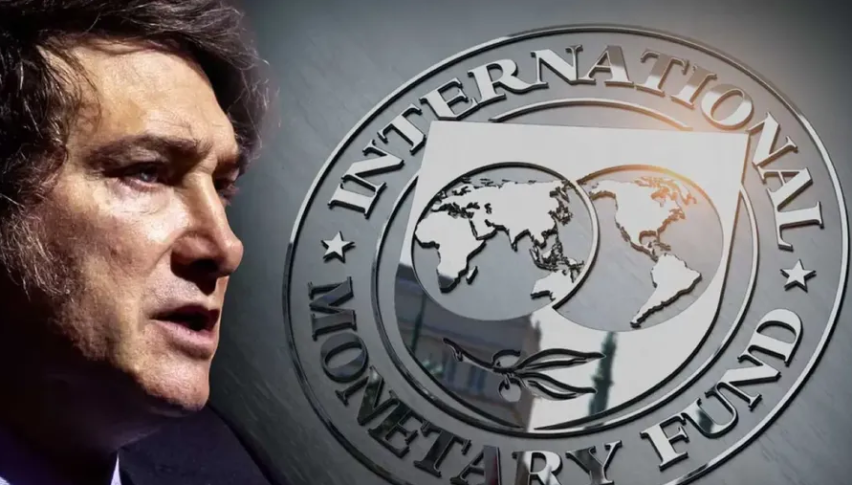
Nearly 60% corresponds to obligations with the IMF, while most of the remaining 30% stems from loans provided by the IDB, IBRD, and CAF.
Quick overview
- External liabilities surged between April and June, driven by international financial assistance amid a widening current account deficit.
- Gross external debt reached a record high of $305.04 billion, increasing by $23.78 billion or 8.5% from the previous quarter.
- The central government accounted for most of the debt increase, taking on an additional $18.48 billion, primarily from an IMF disbursement.
- Argentine sovereign bonds and ADRs continued to decline, influenced by new restrictions on exchange rate arbitrage and rising country risk.
The stock of external liabilities surged between April and June, fueled mainly by international financial assistance amid a widening current account deficit and persistent dollar shortages.

Gross external debt, measured at nominal value, climbed by $23.78 billion (+8.5%) compared to the previous quarter, reaching $305.04 billion—the highest nominal level on record.
Rising Weight of Multilateral Debt
The main driver of this increase was the central government, which took on an additional $18.48 billion in debt. Most of this came from an IMF disbursement of $12.40 billion.
According to data from INDEC, gross external debt owed to international organizations stands at $92.96 billion. Nearly 60% corresponds to obligations with the IMF, while most of the remaining 30% stems from loans provided by the IDB, IBRD, and CAF.
The Central Bank (BCRA) also reported an increase in liabilities of $2.38 billion due to the expansion of a REPO facility with seven international banks.
Although the external debt–to–exports ratio climbed above 300% during the quarter, it is worth noting that this metric has reached even higher levels in recent years.
Asset Performances
Argentine sovereign bonds and ADRs extended losses on Monday, marking a third consecutive decline. The move came after new restrictions on arbitrage between the official and financial exchange rates, adding to volatility in a pre-election environment and amid uncertainty over the scope of U.S. Treasury assistance for Argentina.
Dollar-denominated sovereign bonds fell by as much as 3.4%, led by the Global 2035. Meanwhile, the country risk index rose back above 1,100 basis points, reaching 1,124.
- Check out our free forex signals
- Follow the top economic events on FX Leaders economic calendar
- Trade better, discover more Forex Trading Strategies
- Open a FREE Trading Account
- Read our latest reviews on: Avatrade, Exness, HFM and XM

Related Articles
Sidebar rates

