Daily Crypto Signals: Bitcoin Falls to $86,000 and Ethereum Struggles at $2,700 Amid Leverage-Driven Selloff
The cryptocurrency market experienced significant volatility over the weekend, with Bitcoin dropping below $86,000 and Ethereum declining
Quick overview
- The cryptocurrency market saw significant volatility, with Bitcoin dropping below $86,000 and Ethereum declining to around $2,745 amid thin liquidity and mass liquidations exceeding $400 million.
- The global crypto market cap fell to approximately $2.95–3.01 trillion, driven by fresh selling pressure on Bitcoin and Ethereum during the weekend.
- Strategy increased its Bitcoin holdings to 650,000 BTC and established a $1.44 billion cash reserve, while Ethereum faced competition from alternative networks and saw a decline in its price.
- Despite the downturn, Ether futures trading has gained traction, surpassing Bitcoin futures in open interest for the first time, indicating growing institutional interest.
The cryptocurrency market experienced significant volatility over the weekend, with Bitcoin BTC/USD dropping below $86,000 and Ethereum ETH/USD declining to approximately $2,745 amid thin liquidity conditions and mass liquidations exceeding $400 million. Meanwhile, regulatory developments continue as Republicans press for market structure legislation and Strategy expands its Bitcoin holdings to 650,000 BTC while establishing a $1.44 billion cash reserve.
Crypto Market Developments
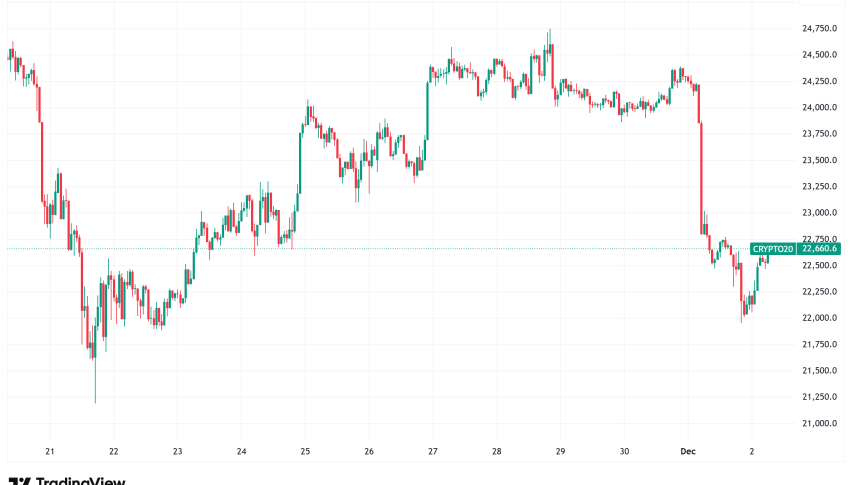
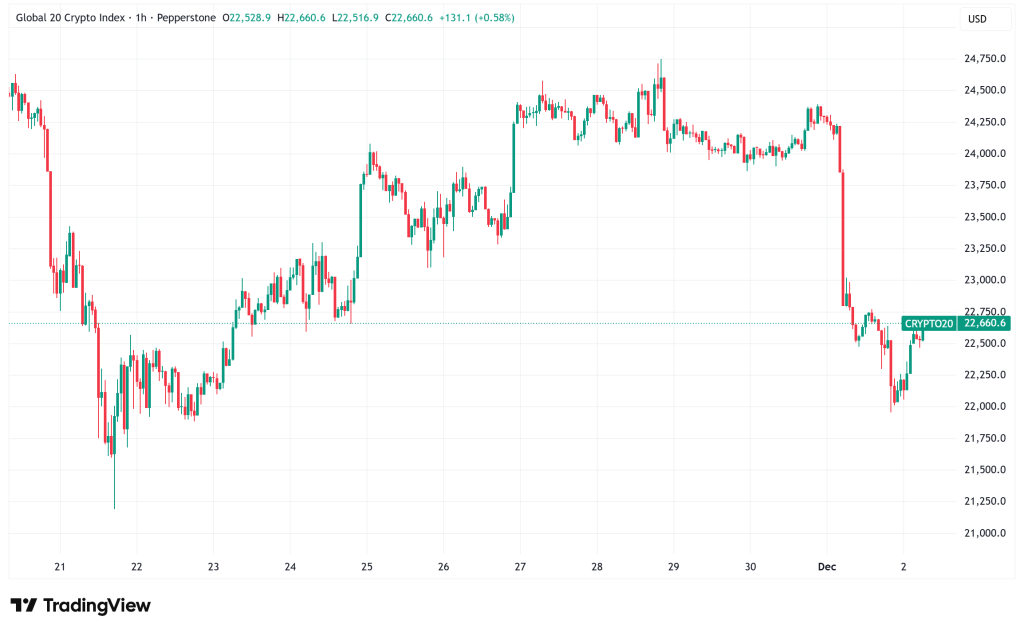
The global crypto market cap has dropped to about $2.95–3.01 trillion, which is more than a 3% drop in the last few trading sessions. The drop happened because both Bitcoin and Ethereum were under fresh selling pressure during the weekend, when market liquidity usually drops, making prices more likely to change quickly. Trading activity shot up, with Bitcoin’s 24-hour volume rising by more than 133% and Ethereum’s volume rising by almost 227% as traders reacted to the market’s ups and downs.
The selloff was mostly based on technical factors, not fundamental ones. When Bitcoin plunged $4,000 in a matter of minutes, it caused a chain reaction of forced liquidations that totaled over $400 million in long bets. This was because of too much leverage in the futures markets and gaps in liquidity over the weekend. Stablecoins made up almost 88% of all trading activity, which means that investors switched to safer holdings during the market’s ups and downs.
Bitcoin Holds Above $86,000 Amid Thin Liquidity
Bitcoin (BTC) dropped below $86,000 after temporarily rising to almost $93,300. It is now trading between $86,500 and $87,000, with a market valuation of about $1.73 trillion. The main cryptocurrency is stuck in a band between $96,000 on the high end and $80,600-$84,000 on the low end, where more than 400,000 BTC were bought. Traders were hoping that the price would close above $93,000, which would have confirmed a positive trend reversal, but it didn’t happen. According to CryptoQuant, the Binance Bitcoin-to-Stablecoin Reserve Ratio has dropped to its lowest level since 2018. This means that there is a lot of buying power that isn’t being used because demand for spot is low.
Strategy, the company that owns the most Bitcoin in the world, said it would set up a $1.44 billion U.S. dollar reserve to pay dividends and interest on debt for at least 12 months. The corporation recently bought 130 more Bitcoin for $11.7 million, increasing the total number of Bitcoin it owns to 650,000, which cost a total of $48.38 billion. Analysts think Bitcoin might stay in sideways consolidation until the Federal Reserve’s FOMC meeting on December 9 and 10, as traders wait for news about U.S. interest rates.
Ethereum Drops 9% in Recent Trading Sessions
Ethereum has its own problems, and its price fell to about $2,745-$2,840, which is a decline of about 5–9% in recent trading. The market value of the second-largest cryptocurrency is presently about $331–339 billion. Investors are still unsure if Ethereum will restore its earlier velocity compared to Bitcoin.
The ETH/BTC price ratio hasn’t changed significantly in the last two months, which is a sign that Ethereum hasn’t done as well as Bitcoin in 2024. Alternative Layer 1 networks like Solana, Sui, and The Open Network (TON) are giving the smart contract platform more competition. These networks have gotten a lot of interest from investors because they have faster transaction rates and lower fees. The Ether token did worse than Solana, which is now the second-largest smart contract platform by market cap, in 2024. This made investors spread their money out among more blockchain ecosystems.
But there were some good things for people who support Ethereum. On the Chicago Mercantile Exchange (CME), Ether futures trading was busier than Bitcoin futures trading. This is a big move in the digital asset derivatives market. Priyanka Jain, who is in charge of CME’s equity and crypto products, said that Ether options are now more volatile than Bitcoin options. This has drawn in traders and helped Ether futures activity rise. Instead of keeping people from becoming involved, this increased volatility has drawn traders looking for chances in the space.
The shift was especially strong in July, when open interest in Ether futures on the market for the first time surpassed open interest in Bitcoin futures. Bitcoin and Micro Bitcoin futures still make up the largest amount of activity in terms of dollar value, but the trend shows that more and more people are getting involved in Ether-linked products. Some analysts are arguing about whether this is Ethereum’s long-awaited “super-cycle,” a time of rapid development that lasts for years and is driven by more people using it, or just a short-term trade that is happening because of volatility.
During the current selloff, Ethereum treasury companies who made holding ETH a key part of their business model saw the value of their assets drop drastically. Companies like SharpLink and Bit Digital are already losing money on their ETH investments. But institutional interest is still strong. For example, BitMine recently bought 97,000 ETH and said that the imminent Fusaka upgrade and Federal Reserve policy could be good reasons for prices to go up in the future.
- Check out our free forex signals
- Follow the top economic events on FX Leaders economic calendar
- Trade better, discover more Forex Trading Strategies
- Open a FREE Trading Account




 Save
Save