Bank of Japan to Decide on Rate Hike in Two Weeks
After more than two decades of near-zero rates, negative rates, and yield curve control, the Bank of Japan has entered a normalization phase

Quick overview
- The Federal Reserve's anticipated rate cut may tighten global liquidity and impact risk assets, particularly in emerging markets like Argentina.
- The Bank of Japan is considering raising its policy rate, which could disrupt the yen carry trade that has been a significant source of leverage.
- BoJ Governor Kazuo Ueda's recent comments have heightened market speculation about potential rate hikes in Japan.
- Japan's shift from negative rates to a normalization phase is influencing global investment strategies, with rising bond yields reflecting changing expectations.
That decision, combined with the Federal Reserve’s imminent rate cut, would tighten global liquidity, dampen appetite for risk assets and emerging markets, and potentially affect Argentina.
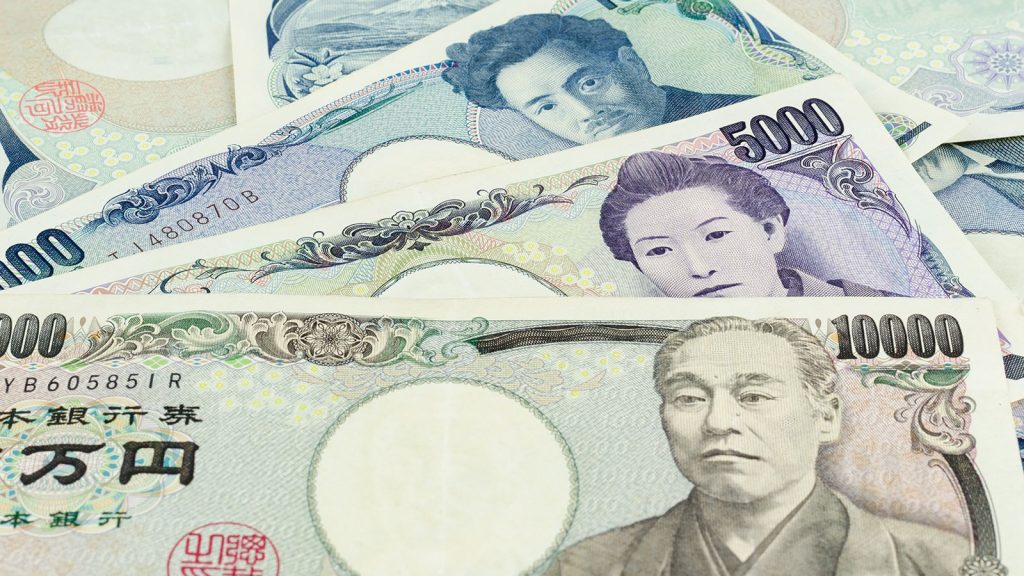
One week after the Federal Reserve decides whether it will finally cut rates in the U.S., another key monetary authority—the Bank of Japan (BoJ)—will have to determine whether to move in the opposite direction. It’s a decision that could trigger global turbulence, as it would directly impact one of the most important sources of leverage in recent decades: the yen carry trade.
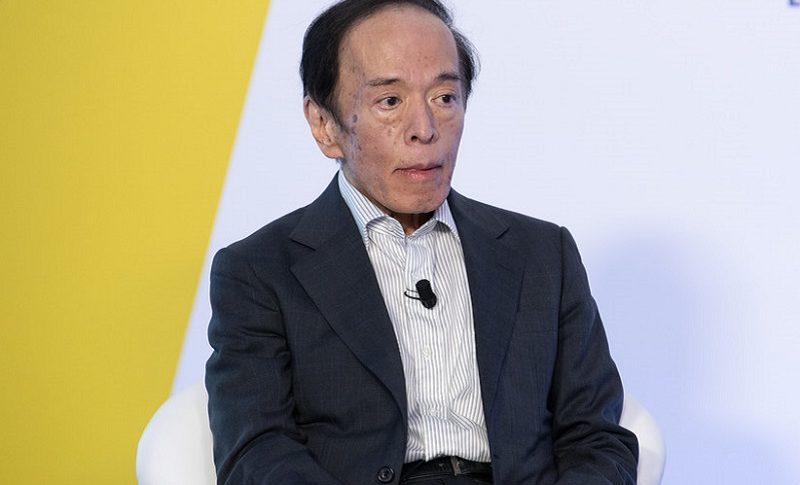
On Monday, global markets were shaken by comments from BoJ Governor Kazuo Ueda, who said the central bank “will consider the pros and cons of raising the policy rate and make appropriate decisions,” taking into account the economy, inflation, and financial markets both at home and abroad.
Rate futures currently price in nearly a 90% probability that the Fed will cut again, while assigning a 65% chance that Japan will raise rates once more.
Japan’s Unique Situation
After more than two decades of near-zero rates, negative rates, and yield curve control, the Bank of Japan has entered a normalization phase that markets are now starting to take seriously—one with direct implications for one of the most iconic trades of the past decades: the yen-funded carry trade.
For years, this environment allowed global investors to borrow in yen at virtually no cost and deploy those funds into higher-yielding assets around the world.
Last year, the BoJ initiated a historic shift, gradually raising its policy rate from –0.1% to 0.5%—the highest level in more than a decade. At the same time, the Fed moved in the opposite direction, starting a cutting cycle from its peak of 5.5% to 4% today.
With inflation in Japan hovering around 2–2.5% and wages showing slightly stronger momentum, expectations for further rate hikes have intensified. In line with this, two-year Japanese government bond yields recently rose above 1% for the first time since 2008.
- Check out our free forex signals
- Follow the top economic events on FX Leaders economic calendar
- Trade better, discover more Forex Trading Strategies
- Open a FREE Trading Account
- Read our latest reviews on: Avatrade, Exness, HFM and XM

Related Articles

Sidebar rates

Related Posts
 Save
Save