France Moves to Block EU–Mercosur Trade Deal
Agricultural unions have pledged to mobilize up to 10,000 protesters on Thursday, during a meeting of European heads of state.

Quick overview
- Agricultural unions claim the EU–Mercosur pact does not adequately protect French farmers, leading to calls for a delay in the vote.
- French President Emmanuel Macron has urged for a postponement of the review of the trade deal, citing unmet demands.
- European Parliament members are considering 'safeguard' measures to reassure farmers and gain support for the agreement.
- The EU–Mercosur deal aims to eliminate tariffs on 90% of bilateral trade and create a significant free trade area between the two blocs.
Agricultural unions argue the pact offers insufficient protection, prompting members of the European Parliament to devise a plan to win their support.
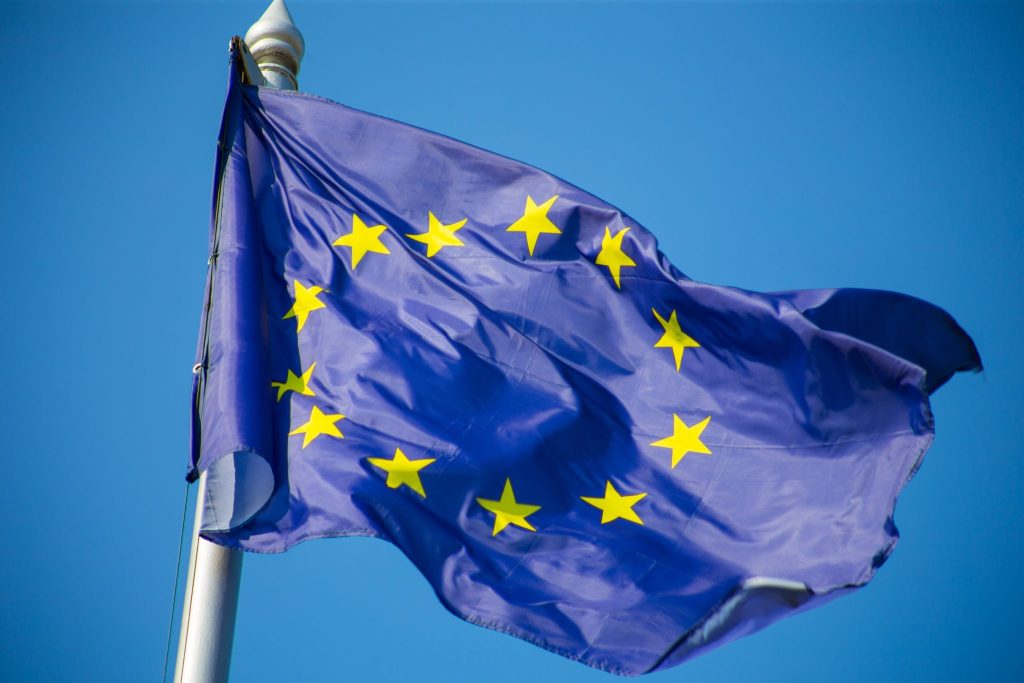
The chances of signing the European Union (EU)–Mercosur agreement this Saturday in Brazil have diminished after France called for postponing the vote by EU member states scheduled for this week in Brussels. In that vein, President Emmanuel Macron urged European Commission President Ursula von der Leyen to delay the review of the deal, which had been slated for between Tuesday and Friday.
“At this stage, the numbers don’t add up to protect French farmers. France’s demands have not been met,” Paris said late Sunday about what would be the largest trade agreement in the bloc’s history. Agricultural unions have pledged to mobilize up to 10,000 protesters on Thursday, during a meeting of European heads of state and government.
Paula Pinha, a Commission spokesperson, said: “We expect all conditions to be in place for a signing next weekend.”
“It’s now or never,” a Commission source insisted, while a European diplomat speaking on condition of anonymity warned: “If there is no compromise this week, we risk a serious European crisis. It would be a major failure for the Commission, for Germany, and for Spain.”
Those two countries, along with the Nordics, are pushing to relaunch exports amid Europe’s economic slowdown, rising competition from China, and U.S. tariffs. Because only a qualified majority is required, France would not be able to block the agreement on its own.
MEPs’ plan to win over France
“All French lawmakers will vote against it, as will most Poles,” said a source familiar with the European Parliament. The radical left and the far right are also expected to oppose the treaty, bringing opposition to “around 300 lawmakers” out of 720.
To address this, MEPs are considering “safeguard” measures aimed at winning French support by reassuring farmers. The EU would pledge “enhanced monitoring” of the most sensitive products—such as beef, poultry, rice, honey, eggs, garlic, ethanol, and sugar—with intervention mechanisms in case of market disruption.
What the EU–Mercosur free trade agreement entails
According to Brazilian President Luiz Inácio Lula da Silva, the agreement stands out for its economic scale. Once concluded, it would cover 722 million people and represent a combined GDP of $22 trillion, positioning it as the “largest trade agreement in the world.”
The EU–Mercosur deal centers on a key objective: the gradual dismantling of tariff barriers and the creation of a broad free trade area with clear rules of origin designed to keep benefits within both blocs. The text also establishes a regulatory framework covering services, intellectual property, public procurement, sustainable trade, state-owned enterprises, and dispute settlement mechanisms—crucial for long-term predictability.
Under the agreement, tariffs would be eliminated on 90% of bilateral trade.
- Check out our free forex signals
- Follow the top economic events on FX Leaders economic calendar
- Trade better, discover more Forex Trading Strategies
- Open a FREE Trading Account
- Read our latest reviews on: Avatrade, Exness, HFM and XM

Related Articles
Sidebar rates

Related Posts
 Save
Save