Argentina’s External Debt Hits 46.7% of GDP
Debt owed to international organizations rose by $3.367 billion to $96.521 billion, representing more than 30% of total external debt.
Quick overview
- Argentina's gross external debt reached $316.935 billion, accounting for 46.7% of GDP in Q3 2025.
- The debt increased by $9.698 billion from July to September, marking the third consecutive quarterly rise.
- The rise in external debt was primarily driven by increased borrowing from non-financial corporations, households, and NPISHs.
- 98.4% of the external debt was denominated in foreign currency, with over 70% classified as long-term debt.
Argentina’s national statistics agency reported that the stock of gross external debt, measured at nominal value, stood at $316.935 billion.

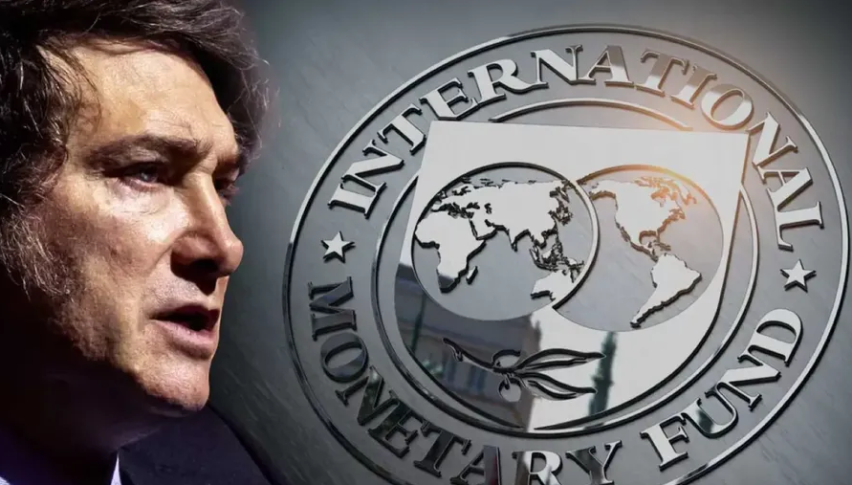
External debt accounted for 46.7% of gross domestic product (GDP) in the third quarter of 2025, marking the highest level since the first quarter of President Javier Milei’s administration.
On Tuesday, INDEC said gross external debt increased by $9.698 billion between July and September, reaching $316.935 billion. This marked the third consecutive quarterly increase.
The agency, headed by Marco Lavagna, recently reported that Argentina’s economic output during the period totaled nearly $905 trillion pesos, equivalent to approximately $679.337 billion, based on the average exchange rate published by the central bank (BCRA). Using this methodology, external debt as a share of the economy reached its highest level since the first quarter of 2024 (56.1%) and the second-highest since the first quarter of 2022 (48.3%).
What drove external debt in the third quarter?
INDEC explained that the increase in liabilities was mainly driven by higher borrowing among non-financial corporations, households, and non-profit institutions serving households (NPISHs). Rising debt in the government and banking sectors also played a significant role. Within these sectors, loans accounted for most of the increase, while central bank liabilities declined.
Debt owed to international organizations rose by $3.367 billion to $96.521 billion, representing more than 30% of total external debt. Nearly 60% of that amount was owed to the International Monetary Fund (IMF), while over 30% was split between the Inter-American Development Bank (IDB) and the World Bank (IBRD).
Debt by institutional sector and currency
By institutional sector, the bulk of external debt is held by the government and NPISHs, which together account for nearly 90% of the total. Government debt mainly reflects bonds held by private creditors and loans from international institutions, while NPISH debt is largely tied to foreign direct investment.
In terms of currency composition, 98.4% of external debt in the third quarter was denominated in foreign currency, with more than 70% classified as long-term debt.
- Check out our free forex signals
- Follow the top economic events on FX Leaders economic calendar
- Trade better, discover more Forex Trading Strategies
- Open a FREE Trading Account
- Read our latest reviews on: Avatrade, Exness, HFM and XM

Related Articles
Sidebar rates

Related Posts
 Save
Save