Nvidia’s CEO Huang Says U.S. Will Lose AI War to China over Energy
Nvidia's CEO Jensen Huang is all for Trump's energy policies that pull back regulations in order to advance AI development.
Quick overview
- Nvidia CEO Jensen Huang warns that the U.S. is losing its AI lead to China due to inadequate energy infrastructure.
- He highlights that it takes the U.S. three years to complete data centers, while China can do it in weeks.
- Huang advocates for energy deregulation and increased production to support the growing demands of the AI sector.
- He emphasizes that the U.S. economy is significantly larger than China's, yet it has only half the energy capacity.
The United States will lose the artificial intelligence lead to China, says Nvidia CEO Jensen Huang, and it is due to a lack of strong energy infrastructure.
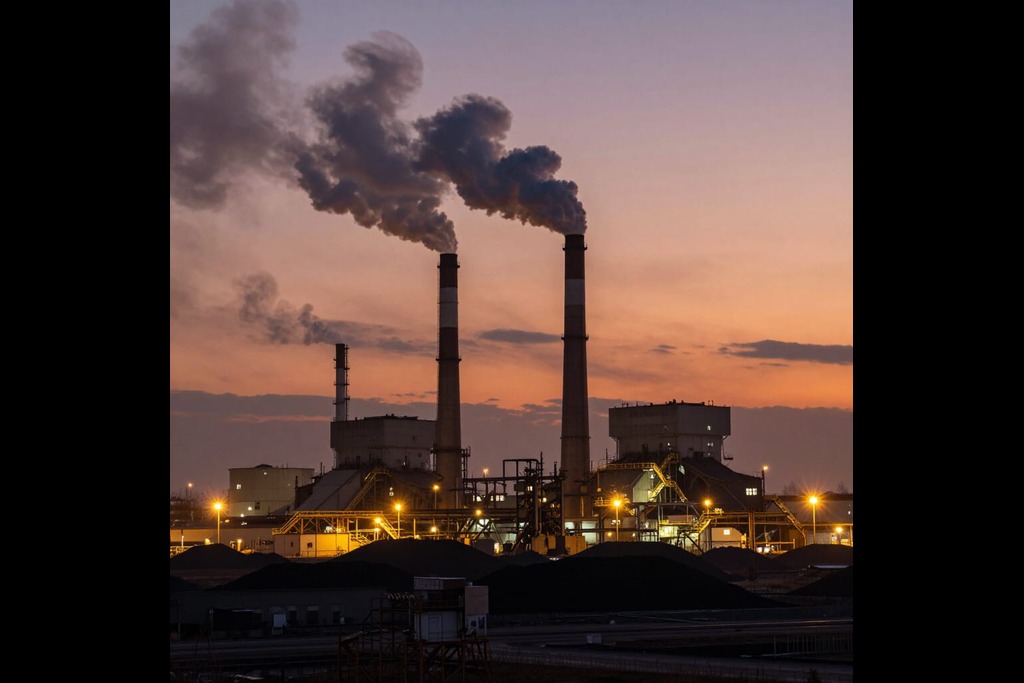
Nvidia (NVDA) head Huang spoke on Monday at CSIS (Center for Strategic and International Studies) about the lack of energy infrastructure in the United States compared to China. He said that the United States is falling behind in the AI war because they have half of the energy capacity of their tech rival.
What that means for the AI sector is that it takes three years for data centers to complete in the United States what it takes China just weeks to perform. Because of this energy problem the U.S. will continue to lag behind China in AI development.
Huang Says Trump Is Right about Energy Deregulation
If the United States wants to beat out its fiercest competitor China in the AI race, they will have to get behind President Donald Trump and his efforts to deregulate energy. He says Trump’s policy of onshoring (or taking U.S. companies and keeping their production facilities within the country’s borders) is one of the keys to making this happen.
Huang recontextualized the AI battle as one not of software but of infrastructure. According to him, the United States just does not have the power supply to keep up with the growing demands of the market. Years of strict energy regulations in the U.S. have kept businesses from making use of available resources for the sake of conservation.
These practices have limited offshore drilling and coal mining. They force gas and coal plants to use carbon capture tech that is prohibitively expensive, and they push the energy sector to use renewable energy. High emission energy sources have been pushed out of the sector for decades, but that is changing under Donald Trump.
He has pressed back against strict EPA policies and global energy standards that restrict the United States unfairly compared to other countries. Caps on coal ash and emissions of all kinds have hindered the growth of the energy sector throughout the United States. This is particularly true in Silicon Valley where the AI market is exploding but energy resources are kept under tight limits due to restrictive emission policies that are exclusive to California.
Huang Says Ramp Up Energy Production
To win the AI war against China, Huang recommends dramatically increasing energy production in the United States. His company and other leading tech businesses have been pushed out of China as the government there recommends that its citizens use local services and companies as opposed to foreign ones.
So, Nvidia and other AI-related businesses are looking to the United States to provide the power they need to produce AI components and to power growing data centers with massive energy needs. Huang strongly supports a wide range of energy production methods, and he says China has the right idea about how to deal with the growing need for energy production to keep the AI market expanding and to keep pace.
In his remarks, Huang said that it makes no sense for the U.S to have an economy twice the size of China but with half the energy availability. His company is leading the AI market and has the highest market cap of any company in the world.
- Check out our free forex signals
- Follow the top economic events on FX Leaders economic calendar
- Trade better, discover more Forex Trading Strategies
- Open a FREE Trading Account
- Read our latest reviews on: Avatrade, Exness, HFM and XM

Related Articles

Sidebar rates

Related Posts
 Save
SaveAva