Donald Trump’s Assault on the Fed Reaches the U.S. Supreme Court
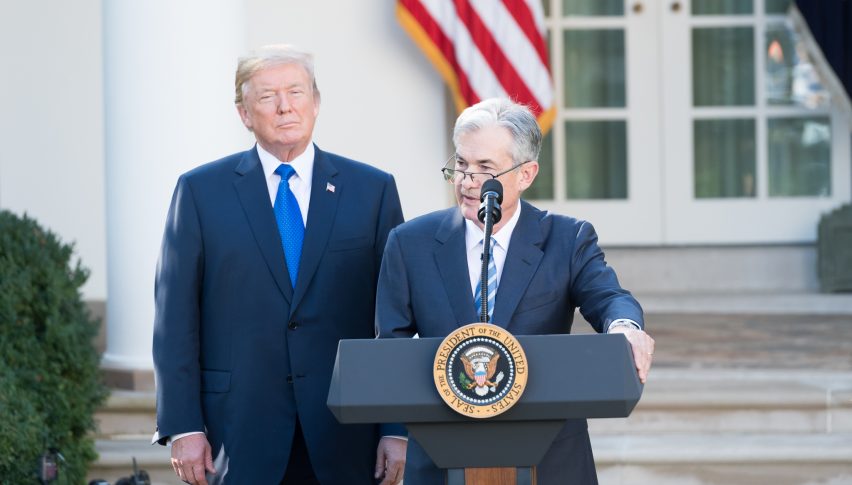
The legal dispute centers on President Donald Trump’s attempt to remove Fed Governor Lisa Cook, a move that has reignited a broader debate.
Quick overview
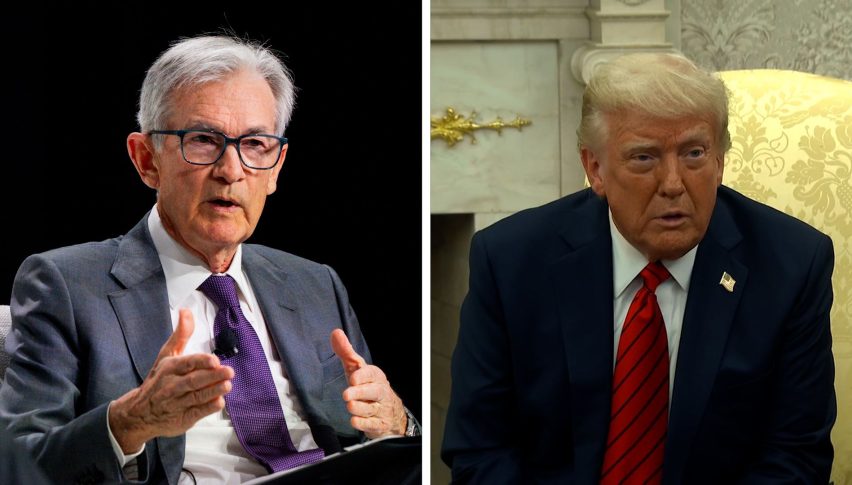
- Federal Reserve Chair Jerome Powell's attendance at a Supreme Court hearing highlights the serious implications of a legal dispute involving President Trump's attempt to remove Fed Governor Lisa Cook.
- The case raises concerns about the limits of presidential power and the independence of monetary policy, with Powell's presence signaling the Fed's view on the risks involved.
- Cook has filed a lawsuit to block her dismissal, which has been supported by court rulings, while the Department of Justice argues these rulings interfere with presidential authority.
- The outcome of this case could set a significant precedent regarding the Federal Reserve's protection from political influence.
The presence of the Federal Reserve chair at a key Supreme Court hearing underscores the severity of the standoff with the White House and the risk of setting a precedent on political control over monetary policy.
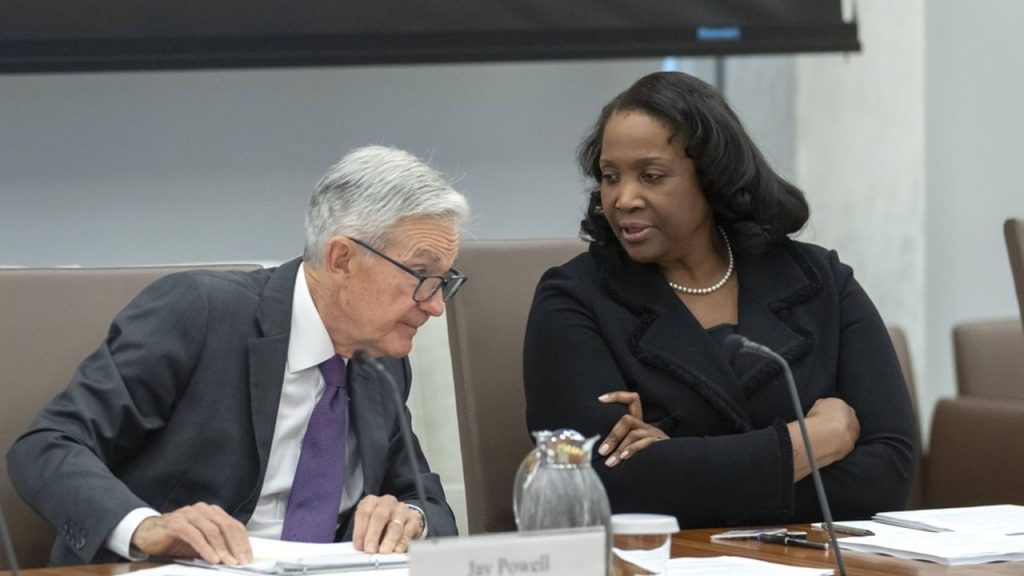
Federal Reserve Chair Jerome Powell’s decision to attend oral arguments at the U.S. Supreme Court this Wednesday has raised alarm bells across markets and institutional circles. Such a move is highly unusual and highlights the importance of the case, as well as the potential impact its outcome could have on the central bank’s independence.
The legal dispute centers on President Donald Trump’s attempt to remove Fed Governor Lisa Cook, a move that has reignited a broader debate over the limits of presidential power and the safeguards protecting monetary policy autonomy. Powell’s personal presence at the hearing is widely seen as a signal of how seriously the institution views the risks posed by the litigation.
The case is further complicated by the fact that it unfolds while Powell himself is facing a criminal investigation in Washington related to the multibillion-dollar renovation of the Fed’s headquarters and his testimony before Congress. In a public statement issued on January 11, the Fed chair directly linked the conflict to monetary policy decisions, arguing that the threat of criminal charges arose “as a consequence of the Federal Reserve setting interest rates based on what it believes is best for the public, rather than the president’s preferences.”
Lisa Cook’s Lawsuit
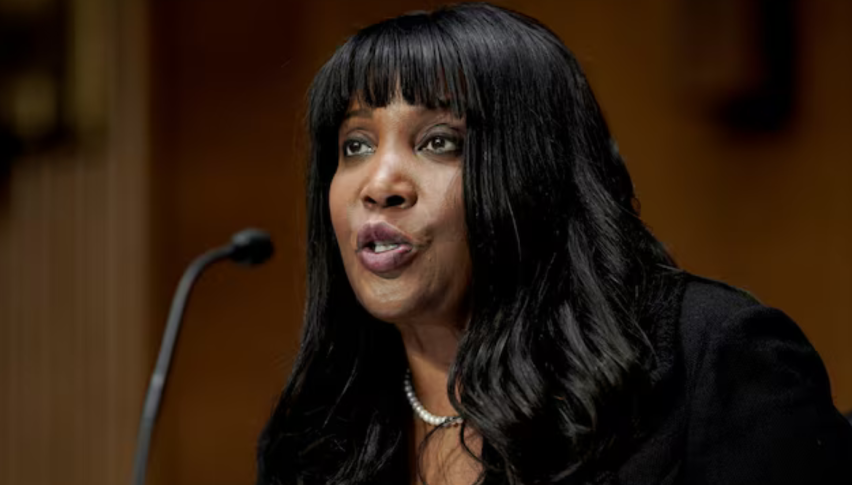
Trump announced in late August his intention to remove Cook, citing alleged mortgage fraud involving two properties. The Fed governor has denied any wrongdoing and faces no criminal charges. In response, she filed a federal lawsuit seeking to block her dismissal, and both a district court judge and a federal appeals court ordered that she remain in office while the case proceeds.
The Department of Justice has challenged those rulings, calling them an “improper judicial interference” with the president’s authority to remove officials for “cause.” For the Federal Reserve, however, the case goes well beyond Cook’s individual situation and could establish a critical precedent defining the extent of institutional protection shielding the central bank from political pressure.
- Check out our free forex signals
- Follow the top economic events on FX Leaders economic calendar
- Trade better, discover more Forex Trading Strategies
- Open a FREE Trading Account
- Read our latest reviews on: Avatrade, Exness, HFM and XM

Related Articles
Sidebar rates

Related Posts
 Save
Save