Japan Signals Intervention as Yen Spikes Amid Speculation Fears
Japanese Prime Minister Sanae Takaichi stated on Sunday that her government will take the appropriate action against speculative market movements

Quick overview
- Japanese Prime Minister Sanae Takaichi announced plans to address speculative market movements following a surge in the yen.
- Concerns over fiscal policy and slow interest rate hikes have led to a selloff in Japanese government bonds and the yen.
- The New York Federal Reserve's rate checks contributed to a sharp spike in the yen, raising speculation about potential US-Japan currency intervention.
- Opposition parties are proposing to use the Bank of Japan's ETF holdings to finance a consumption tax cut amid ongoing market fluctuations.
Japanese Prime Minister Sanae Takaichi stated on Sunday that her government will take the appropriate action against speculative market movements, following a yen surge that increased traders’ concern about the possibility of currency intervention.
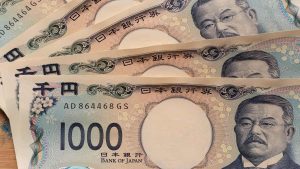
Concerns that Takaichi’s expansionary fiscal policy and the Bank of Japan’s sluggish interest rate hikes could result in more debt issuance and excessive inflation have caused Japanese government bonds and the yen to sell off in recent weeks.
The New York Federal Reserve’s rate checks on Friday caused the yen to spike sharply after it had fallen close to the psychologically significant line of 160 to the dollar. Some traders interpreted this as increasing the likelihood of joint US-Japan intervention to stop the faltering currency’s decline. When questioned about the bond selloff and the yen’s declines, Takaichi said on a Fuji Television talk show, “I won’t comment on specific market moves.” “The government will take the appropriate action to combat highly abnormal or speculative markets.
US Treasury Secretary Scott Bessent expressed Washington’s dissatisfaction with the consequences of the rising Japanese yields by stating that it was “extremely difficult to disaggregate the market reaction from what’s going on endogenously in Japan.” On Friday, BOJ Governor Kazuo Ueda indicated that the central bank is prepared to collaborate closely with the government to curb sharp increases in yields, including through emergency bond purchases. Market fluctuations are becoming a major subject of discussion during the election.
Several opposition parties have suggested investing the BOJ’s holdings of exchange-traded funds and government reserves designated for currency intervention and using the proceeds to finance a consumption tax cut, although most parties are advocating for a reduction in the tax.
According to Makoto Hamaguchi, a senior official of the opposition Democratic Party, the BOJ could expedite the sale of ETFs so that the proceeds can be used more quickly to fund government spending.
- Check out our free forex signals
- Follow the top economic events on FX Leaders economic calendar
- Trade better, discover more Forex Trading Strategies
- Open a FREE Trading Account
- Read our latest reviews on: Avatrade, Exness, HFM and XM

Related Articles


Sidebar rates

Related Posts
 Save
Save