Takaichi Warns of Action: Yen Surges Amid Intervention Speculation
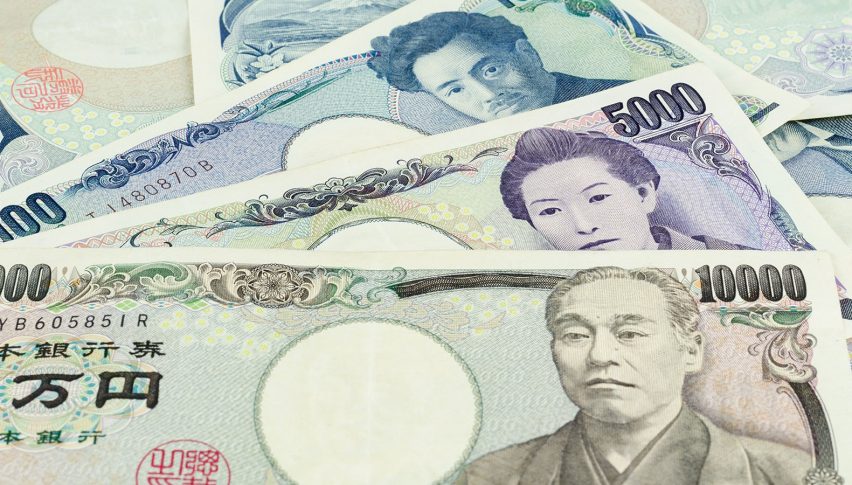
Currency traders are watching for government intervention in the market, driving the Japanese yen by as much as 1.2% against the dollar.
Quick overview
- Currency traders are closely monitoring potential government intervention in the market, which has strengthened the Japanese yen by 1.2% against the dollar.
- The yen reached its highest level since mid-November at 153.81 per dollar, following warnings from Prime Minister Sanae Takaichi.
- Japan's Chief Cabinet Secretary Minoru Kihara emphasized collaboration with the US to manage currency fluctuations, while Finance Minister Satsuki Katayama stated Japan has the flexibility to intervene as necessary.
- A stronger yen could help mitigate import inflation, particularly for food and energy, while a weaker dollar may support US manufacturing efforts.
Currency traders are watching for government intervention in the market, driving the Japanese yen by as much as 1.2% against the dollar. The currency reached its highest level since mid-November, at 153.81 per dollar, following Prime Minister Sanae Takaichi’s warning.
Indications on Friday suggest the US may join Japan in defending the yen. The Nikkei 225 Stock Average closed 1.8% lower as Japanese shares declined, while most bonds rose.
Chief Cabinet Secretary Minoru Kihara said at a routine briefing on Monday that Japan will work closely with the United States and follow the terms of their joint finance ministers’ agreement from last September. His remarks align with those of Atsushi Mimura, the top FX official in the finance ministry, who said Japan maintains close ties with the US. Neither official responded when asked about discussions of rate checks. Finance Minister Satsuki Katayama has said Japan has a “free hand” to act as needed, including intervention, despite Takaichi’s initial statement that it was not her place as prime minister to comment on “matters determined by the market.”
On Monday, Katayama said she is closely monitoring currency movements. Takaichi stated on Sunday, “We will take all necessary measures to address speculative and highly abnormal movements,” without mentioning recent extreme volatility in Japanese government bonds or the yen.
A slightly stronger yen could help control import inflation, a major concern for households, especially regarding food and energy costs. Meanwhile, President Donald Trump’s effort to boost US manufacturing would benefit from a marginally weaker dollar. Traders reported that the Federal Reserve Bank of New York had contacted financial institutions to inquire about the recent close and exchange rate of the yen.
- Check out our free forex signals
- Follow the top economic events on FX Leaders economic calendar
- Trade better, discover more Forex Trading Strategies
- Open a FREE Trading Account
- Read our latest reviews on: Avatrade, Exness, HFM and XM

Related Articles


Sidebar rates

Related Posts
 Save
SaveAva