Record Gold: Central Banks With the Biggest Reserve Increases in 2025
Goldman Sachs analysts have also turned more bullish, raising their end-2026 gold price forecast to $5,400 per ounce.

Quick overview
- Gold prices have surged past $5,000 per ounce, marking an 84% increase over the past year, the largest annual gain in 46 years.
- Central banks in emerging economies are significantly increasing their gold reserves to reduce reliance on the U.S. dollar.
- Poland, Kazakhstan, Brazil, Turkey, and China are among the leading nations in gold purchases, with Poland aiming to raise its holdings to 700 tonnes.
- Goldman Sachs has raised its gold price forecast to $5,400 per ounce by the end of 2026, anticipating continued central bank purchases.
Between January and November last year, financial authorities in several countries recorded historic inflows of the precious metal.
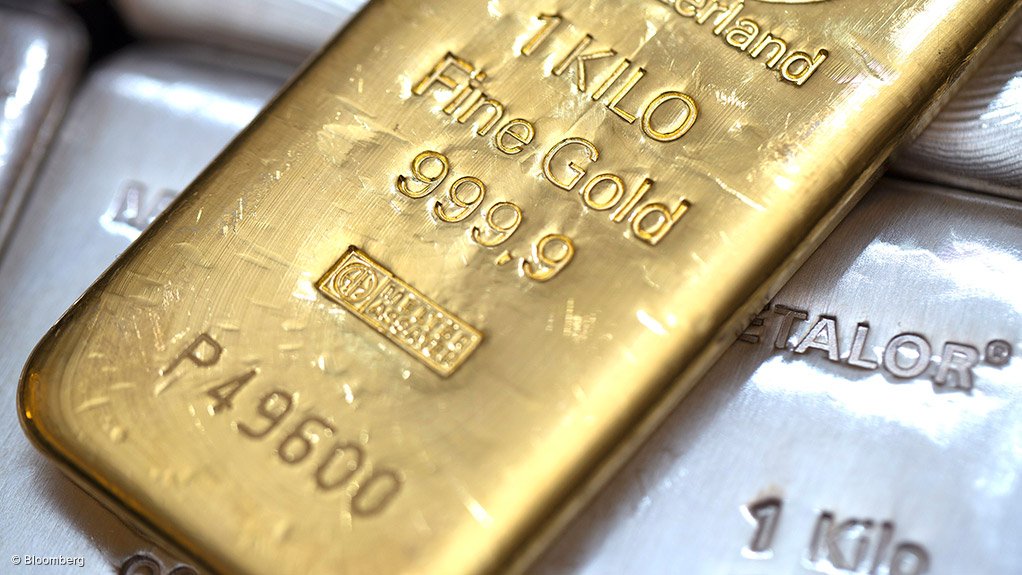
Gold continues its strong rally and on Monday surpassed $5,000 per ounce, driven by safe-haven capital flows as the dollar weakens following a turbulent week marked by geopolitical tensions surrounding Greenland and Iran. As a result, the metal has surged more than 84% over the past 12 months—its biggest annual gain in 46 years—and is up 18% so far in January.
Against this backdrop, central banks in several emerging economies have emerged as key players, as they seek to reduce their reliance on the U.S. dollar as the primary reserve asset. According to the latest data from the World Gold Council, monetary authorities purchased a combined 297 tonnes of gold between January and November 2025.
Goldman Sachs analysts have also turned more bullish, raising their end-2026 gold price forecast to $5,400 per ounce and estimating that central bank purchases could average 60 tonnes per month.
Central banks leading gold purchases
Amid heightened geopolitical uncertainty, the following central banks led global gold buying through November 2025:
- Poland: Over the first eleven months of 2025, Poland accumulated 95 tonnes, raising its gold holdings to 543 tonnes, equivalent to 28% of total reserves. The country aims to increase its gold holdings to 700 tonnes, representing 30% of international reserves, and has already approved a plan to acquire an additional 150 tonnes.
- Kazakhstan: Added 49 tonnes over the same period. The central bank holds 324 tonnes of gold, accounting for nearly 69% of total reserves.
- Brazil: Increased its reserves by 43 tonnes through November 2025. Total gold holdings stand at 172 tonnes, or 6% of total reserves.
- Turkey: Recorded 27 tonnes of purchases through October 2025, bringing total holdings to 641 tonnes, representing 48% of international reserves.
- China: Added 26 tonnes in the first eleven months of 2025. China’s central bank holds roughly 2,300 tonnes of gold, equivalent to 7.7% of its international reserves.
- Check out our free forex signals
- Follow the top economic events on FX Leaders economic calendar
- Trade better, discover more Forex Trading Strategies
- Open a FREE Trading Account
- Read our latest reviews on: Avatrade, Exness, HFM and XM

Related Articles
Sidebar rates

