Australia’s Central Bank Raises Rates After Inflation Hits 3.8% in December
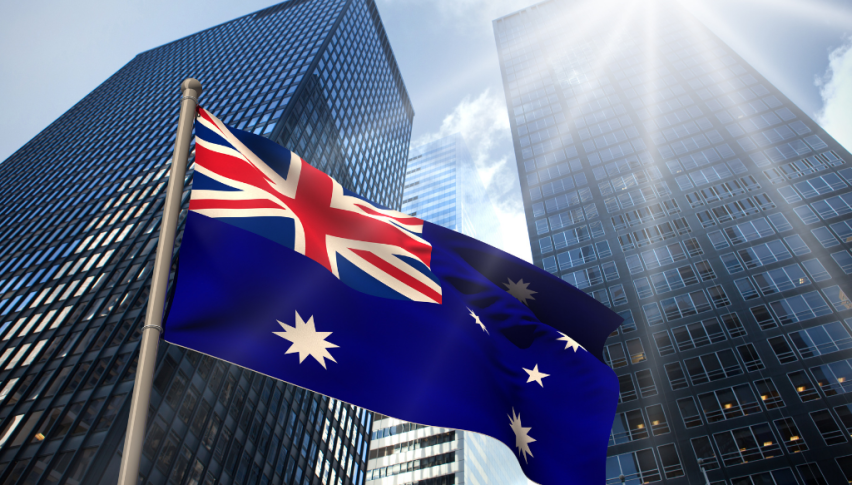
The Reserve Bank of Australia raised rates by a quarter point Tuesday, taking the cash rate to 3.85%.
Quick overview
- The Reserve Bank of Australia raised the cash rate by a quarter point to 3.85%, marking the first hike since November 2023.
- Inflation remains a concern, with December's annual increase at 3.8%, prompting the RBA to reverse one of last year's rate cuts.
- Core inflation is expected to rise to 3.7% by June, with regular inflation potentially hitting 4.2% by mid-year as government rebates expire.
- The job market remains tight with unemployment at 4.1%, and while some analysts suggest this may be the last hike, the RBA is closely monitoring economic conditions.
The Reserve Bank of Australia raised rates by a quarter point Tuesday, taking the cash rate to 3.85%. This is the first hike since November 2023. The entire board agreed inflation isn’t coming down fast enough, so they reversed one of last year’s three cuts.
Markets saw this coming. December inflation numbers showed prices up 3.8% from a year ago, higher than November’s 3.4%. That’s the biggest annual increase in six quarters. The trimmed mean reading the RBA focuses on went from 3.3% to 3.4%.
The quarterly policy statement came out with new forecasts. Core inflation’s expected to speed up to 3.7% by June instead of cooling off. Households are spending more. People are putting money into housing. Businesses are investing. All of that’s keeping prices elevated.
The RBA doesn’t see core inflation dropping to 2.6% until sometime in 2028. Even then, that’s still above the middle of their 2-3% target. Regular inflation could hit 4.2% by mid-year when electricity rebates from the government run out.
Here’s the shift: back in November, markets thought rates would get cut again. Now the RBA’s working off an assumption that rates go up another 60 basis points this year. Traders are betting on a second hike happening by September.
GDP growth should reach 2.4% early this year. That’s a bit faster than what the economy can handle without overheating. Lower rates from before, tax breaks, and solid employment are putting money in people’s pockets. Data center construction and renewable energy spending are helping too.
Jobs market’s still tight. Unemployment dropped to 4.1% in December, the lowest since May. The RBA thinks it’ll stay near 4.3% this year, maybe creep up to 4.6% by mid-2028. Employers added 65,200 jobs last month.
Governor Michele Bullock said they’re monitoring how this rate hike affects financial conditions. She wouldn’t say if more hikes are coming or not. Conditions change, she noted.
Some analysts think this might be it. Commonwealth Bank’s Belinda Allen pointed out inflation’s high and growth is above what’s sustainable, but not by much. A small adjustment could fix it. JP Morgan agreed, saying they don’t see why the RBA would tighten more unless something big changes in their forecasts.
- Check out our free forex signals
- Follow the top economic events on FX Leaders economic calendar
- Trade better, discover more Forex Trading Strategies
- Open a FREE Trading Account
- Read our latest reviews on: Avatrade, Exness, HFM and XM

Related Articles

Sidebar rates

Related Posts
 Save
Save