Tankers Explode Off Iraq Coast: Latest Blow to Global Oil Supplies in Escalating Conflict
The latest in a series of attacks on ships in the Persian Gulf that are increasing the risks to the world's energy supply
Quick overview
- Two oil tankers were struck in Iraqi waters, prompting Iraq to halt operations at its oil terminals.
- The recent attacks on ships in the Persian Gulf indicate an escalation in retaliatory actions by Iran, raising concerns about the longevity of the conflict.
- A cargo ship was also hit near Jebel Ali in the UAE, highlighting the increasing risks to maritime navigation in the region.
- Precautionary evacuations occurred at Oman's Mina Al Fahal oil terminal, illustrating the conflict's impact on Middle Eastern oil access.
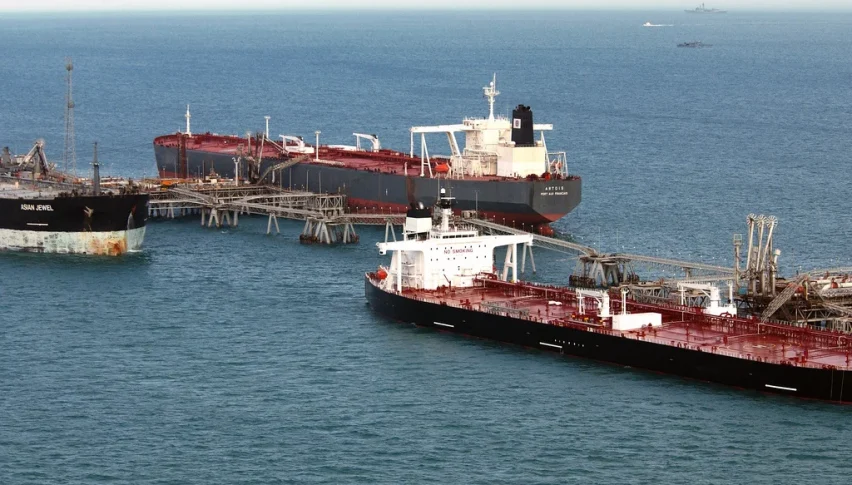
The latest in a series of attacks on ships in the Persian Gulf that are increasing the risks to the world’s energy supply due to the escalating conflict in the Middle East, two oil tankers were struck in Iraqi waters. Iraq’s oil terminals were forced to halt operations due to the attacks on the ships off its coast.
The most recent events suggest that Iran is taking more retaliatory action, which heightens concerns that the conflict will last longer.
The number of attacks on ships has increased recently. A cargo ship was hit on Wednesday, according to a Thai Navy spokesperson, while the UK Maritime Trade Operations reported on Thursday that a ship was hit by an unidentified projectile just north of Jebel Ali in the United Arab Emirates.
At the time, the 30,000 deadweight-ton bulk carrier Mayuree Naree, flying the Thai flag, was trying to leave Hormuz.
The Marshall Islands-flagged Safesea Vishnu and the Malta-flagged Zefyros were the tankers struck in Iraqi territorial waters, according to the State Organization for Marketing of Oil, or SOMO.
According to remarks made by the director of the General Company for Ports of Iraq, which were reported by Iraqi News Agency, the nation ceased operations at its oil terminals. According to a statement from SOMO, “this event poses a threat to the safety of maritime navigation and oil activities in Iraqi territorial waters, and negatively impacts Iraq’s security and economy.”
ships were also told to depart from Oman’s Mina Al Fahal oil terminal, as a precaution.
According to an email from the Gulf Mercantile Exchange, the port was reopened after a few hours, and loadings and operations are now going on as normal.
However, the evacuation at Mina Al Fahal, which is located outside the Strait of Hormuz, demonstrates how the conflict is spreading to endanger the few ports that still have access to Middle Eastern oil.
- Check out our free forex signals
- Follow the top economic events on FX Leaders economic calendar
- Trade better, discover more Forex Trading Strategies
- Open a FREE Trading Account
- Read our latest reviews on: Avatrade, Exness, HFM and XM

Related Articles
Sidebar rates

