US Allows Sale of Stranded Iran Oil to Cap Fuel-Price Rises
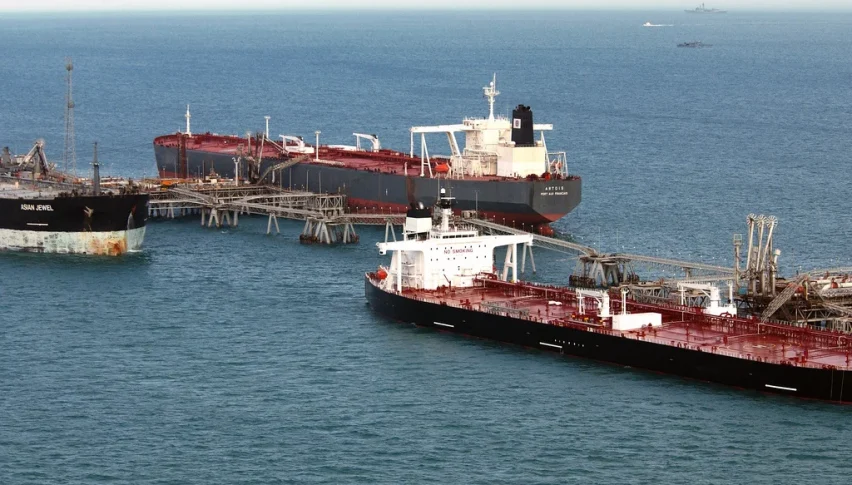
The US has permitted the sale of Iranian oil and petrochemical products that have been loaded onto tankers
Quick overview
- The US has authorized the sale of Iranian oil and petrochemical products already loaded on tankers to address rising oil prices due to Middle East conflicts.
- This general license allows purchases until April 19 and follows similar measures for Russian oil to alleviate fuel supply shortages.
- Chinese consumers primarily buy Iranian oil, but new buyers may face challenges due to existing restrictions on Iran's access to international financial markets.
- The price of Brent crude has surged over 50% this month, increasing pressure on the US government ahead of the November midterm elections.
The US has permitted the sale of Iranian oil and petrochemical products that have been loaded onto tankers in its most recent attempt to combat rising oil prices brought on by the Middle East conflict.
The Department of the Treasury issued a general license for energy that is already on board vessels; these purchases are permitted through April 19. The measure comes after similar actions for Russian oil on the water in an effort to alleviate an unprecedented fuel supply shortage brought on by the conflict.
Chinese consumers currently purchase the great majority of Iran’s oil, primarily from independent refiners known as “teapots.”
Although the US waiver would increase the number of buyers, any new clients would deal with the difficulties of structuring transactions. Iran is subject to other restrictions, such as its access to international financial markets.
Only a few Iranian and Chinese tankers are passing through the Strait of Hormuz, where 20% of the world’s oil normally passes, as a result of the US and Israeli war on Iran.
This month, the price of Brent crude has increased by over 50%, and the value of Middle Eastern oil, such as the flagship Murban grade from Abu Dhabi, has doubled.
In the run-up to the November midterm elections, the US president and the Republican Party are under tremendous pressure due to the consequent increase in fuel prices for American consumers.
Long-term inflationary pressures would make it more difficult for the GOP to hold onto both the Senate and the House, and losing either chamber would make it more difficult for Trump to implement his agenda.
In a post on X, US Treasury Secretary Scott Bessent described the Iranian oil waiver as a “narrowly tailored, short-term authorization permitting the sale of Iranian oil currently stranded at sea,” noting that it will release roughly 140 million barrels.
- Check out our free forex signals
- Follow the top economic events on FX Leaders economic calendar
- Trade better, discover more Forex Trading Strategies
- Open a FREE Trading Account
- Read our latest reviews on: Avatrade, Exness, HFM and XM

Related Articles
Sidebar rates

