Middle East War Slows Global Economic Growth, IMF Warns
The war could also fuel expectations that inflation will remain elevated for longer, potentially translating into higher wages and prices.

Quick overview
- The IMF warns that the ongoing conflict in the Middle East is causing significant global disruptions and could lead to higher prices and slower economic growth.
- The closure of the Strait of Hormuz and damage to infrastructure have resulted in the largest disruption to the global oil market, according to the International Energy Agency.
- Low-income countries are at heightened risk of food insecurity due to rising prices, necessitating increased external support amid reduced international aid from advanced economies.
- Persistent high energy and food prices may accelerate global inflation, complicating efforts to manage economic stability.
According to an analysis by several economists at the institution, the consequences of the conflict could escalate to concerning levels.
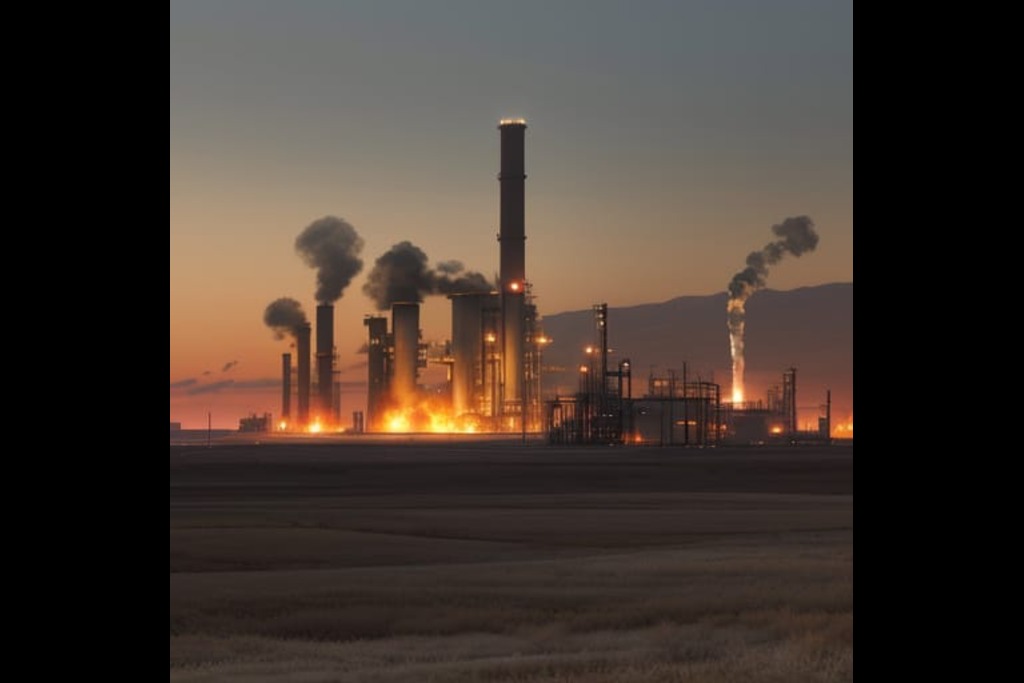
The war in the Middle East has caused major global disruptions and is clouding the outlook for many economies that had only recently begun to recover from previous crises, the International Monetary Fund warned.
The IMF said the conflict triggered by U.S. and Israeli attacks on Iran on February 28 is generating a global — though uneven — shock and leading to tighter financial conditions.
“While the war could affect the global economy in different ways, all paths lead to higher prices and slower growth,” the institution’s economists wrote in a blog post.
The IMF will release a more comprehensive assessment in its upcoming World Economic Outlook, scheduled for April 14 during the Spring Meetings of the IMF and the World Bank in Washington.
How the war could impact the global economy
The closure of the Strait of Hormuz by Iran and damage to regional infrastructure have caused what the International Energy Agency described as the largest disruption ever to the global oil market.
Much will depend on how long the war lasts, how far it spreads, and the extent of the damage to infrastructure and supply chains.
The IMF warned that low-income countries face a particularly high risk of food insecurity due to rising food and fertilizer prices, and may require greater external support at a time when many advanced economies are scaling back international aid.
If high energy and food prices persist, global inflation could accelerate. The authors noted that historically, sustained spikes in oil prices have tended to push inflation higher while slowing economic growth.
The war could also fuel expectations that inflation will remain elevated for longer, potentially translating into higher wages and prices. That dynamic would make it more difficult to contain inflation without a sharper economic slowdown.
- Check out our free forex signals
- Follow the top economic events on FX Leaders economic calendar
- Trade better, discover more Forex Trading Strategies
- Open a FREE Trading Account
- Read our latest reviews on: Avatrade, Exness, HFM and XM

Related Articles
Sidebar rates

