U.S. Natural Gas Dropped to 4-Week Low as Temperatures Warm
The LNG market in the United States has switched between highs and lows today as warm weather conflicts with large withdrawals.
Quick overview
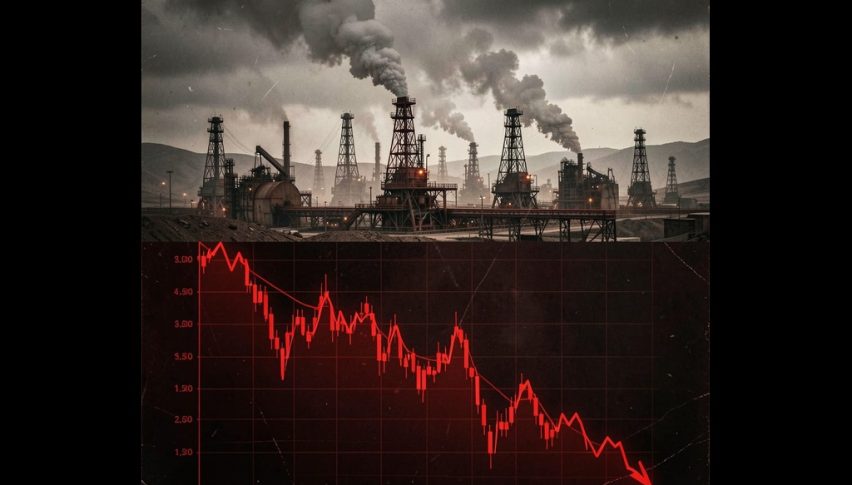
- Rising temperatures have caused U.S. LNG futures to drop to a four-week low of $2.82 per million British thermal units.
- Despite a brief decline, natural gas prices rebounded to $2.96 due to a 2.8% market increase.
- The U.S. has maintained stable LNG prices around $3, largely unaffected by the ongoing war in Iran, thanks to its ample domestic supply.
- Warm weather forecasts and decreasing demand are expected to drive LNG futures lower in the coming months.
Rising temperatures brought the price of LNG futures down in the United States to a four-week low of $2.82 per million British thermal units.
U.S. natural gas fell on Tuesday as warm weather forecasts rolled out and the temperature across the States warmed further. The price hit a low for the month but did not stay down for long. A 2.8% increase swept through the market and brought the price back up to $2.96.
Now, the natural gas price remains very close to its $3 level that it has maintained for much of the past month. This quick uptick may be due to changing factors in the Iran war which have mildly influenced the U.S. LNG market.
The United States As a Gas Island
The war in Iran has pushed gas and oil prices much higher around the world for weeks now. The price of oil has climbed to over $100 per barrel and stayed above that level for most of the four weeks the war has been going on. As prices rise sharply in the Middle East, Europe, and Asia, LNG rates have stayed close to $3 in the United States. That is because the country has its own ample supply of LNG and is not reliant on outside sources for this resource.
The United States has operated as a gas island for much of the war, providing its own LNG and not needing supplies from the Middle East. As the world wrestles with limited gas and oil while Iran, Israel, and the United states attack each others’ shipping vessels and oil plants, the U.S. gas market has moved along almost as normal.
The biggest factor affecting the price of LNG in the U.S. for now is the weather. With springtime comes warmer temperatures, and with winter now over, the market is expected to dry up and see lower prices. Decreasing demand is driving LNG futures lower and should continue to do so for the coming months. Weather forecasts call for more warm weather, and production levels are high across the United States.
Temperatures are above average at the moment and should stay that way until the middle of next month, according to forecasts. Heating needs will be severely limited, and reserve levels are expected to rise rapidly. The EIA reported that last week’s withdrawal was larger than expected, but it may be the last such large withdrawal for a while, since last week closed off winter.
The U.S. LNG market is only marginally affected by the war in Iran, but that conflict could be ending soon. A new report say that Trump is discussing plans to bring the fighting to a close, even without the Strait of Hormuz and its crucial shipping lanes back up and open.
- Check out our free forex signals
- Follow the top economic events on FX Leaders economic calendar
- Trade better, discover more Forex Trading Strategies
- Open a FREE Trading Account
- Read our latest reviews on: Avatrade, Exness, HFM and XM

Related Articles


Sidebar rates

Related Posts
 Save
Save