Warren Buffett Says War-Driven Market Drop “Is Nothing” Historically
However, the start of April brought a modest rebound. The S&P 500 rose 0.6%, the Dow Jones gained 0.5%.

Quick overview
- Wall Street faced significant declines in March due to the ongoing conflict in the Middle East, marking its worst weekly performance since the U.S.-Iran tensions began.
- Warren Buffett downplayed the market downturn, stating, 'It's nothing,' reflecting his long-term investment philosophy that views market corrections as natural and often opportunistic.
- March saw the S&P 500 fall 1.7% and the Dow Jones drop 793 points, while April began with a modest rebound in the markets.
- Investor sentiment remained cautious amid geopolitical uncertainty, leading to volatile trading sessions throughout March.
Wall Street suffered the impact of the war in the Middle East throughout March, although markets began April with modest gains.
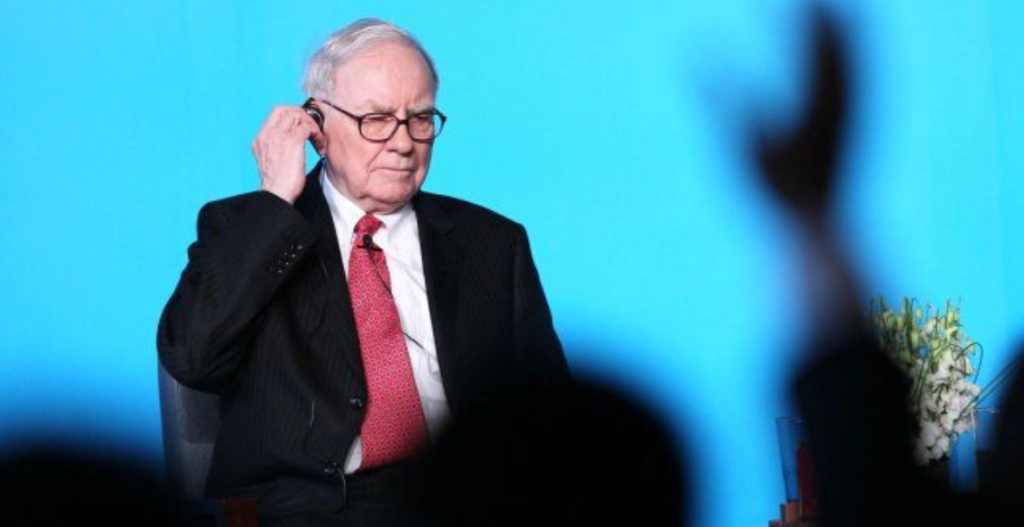
As global markets go through one of their most volatile periods in recent years due to the conflict in the Middle East, legendary investor Warren Buffett downplayed the stock market’s decline in March 2026 with a remark that brought both calm and controversy to the financial world: “It’s nothing.”
The comment comes at a delicate moment. Wall Street ended March with its worst weekly performance since the conflict between the United States and Iran began, marking five consecutive weeks of losses — the longest negative streak in nearly four years. Geopolitical uncertainty and the lack of clear signals about how the conflict may unfold have kept investors cautious.
Buffett’s view on the war-driven market downturn
The remark aligns with Buffett’s long-standing investment philosophy. Known for his long-term perspective, he has often downplayed short-term corrections, arguing that market downturns are a natural part of the cycle and frequently represent opportunities rather than threats.
History partly supports that view. In an interview with CNBC, Buffett pointed to past crisis periods — including the Global Financial Crisis — noting that markets have historically recovered, even if the path back is marked by volatility and economic costs.
From a weak March to a modest rebound in April
March’s weekly performance underscored the pressure on equities. The S&P 500 fell 1.7%, the Dow Jones Industrial Average dropped 793 points — leaving it more than 10% below its recent record — and the Nasdaq Composite declined 2.1%.
Market trading reflected extreme sensitivity, with sessions swinging between gains and losses as investors reacted to each new development related to the conflict.
However, the start of April brought a modest rebound. The S&P 500 rose 0.6%, the Dow Jones gained 0.5%, and the Nasdaq led the advance with a 0.9% increase.
- Check out our free forex signals
- Follow the top economic events on FX Leaders economic calendar
- Trade better, discover more Forex Trading Strategies
- Open a FREE Trading Account
- Read our latest reviews on: Avatrade, Exness, HFM and XM

Related Articles
Sidebar rates

