10 Best CBN Regulated Brokers
We have listed the 10 Best CBN Regulated Brokers for traders seeking safety, transparency, and reliable market access. These brokers are fully licensed by the Central Bank of Nigeria, offering secure platforms, fair trading conditions, and strong oversight to ensure a trustworthy and compliant trading environment for both beginners and professionals.
10 Best CBN Regulated Brokers (2025)
- MultiBank Group – Overall, The Best CBN Regulated Broker
- HFM – High leverage (up to 1:2000)
- Exness – Ultra-low spreads and flexible leverage
- Octa – 0% swap fees and no commissions on deposits
- FXTM – Competitive pricing with spreads as low as zero
- IC Markets – Powerful, flexible platforms like MT 4, MT 5, and cTrader
- Pepperstone – Fast execution speeds, multiple advanced trading platforms
- XM – 24/7 instant withdrawals without fees
- AvaTrade – Strong educational resources like the AvaAcademy
- JustMarkets – Unique copy trading system
Top 10 Forex Brokers (Globally)
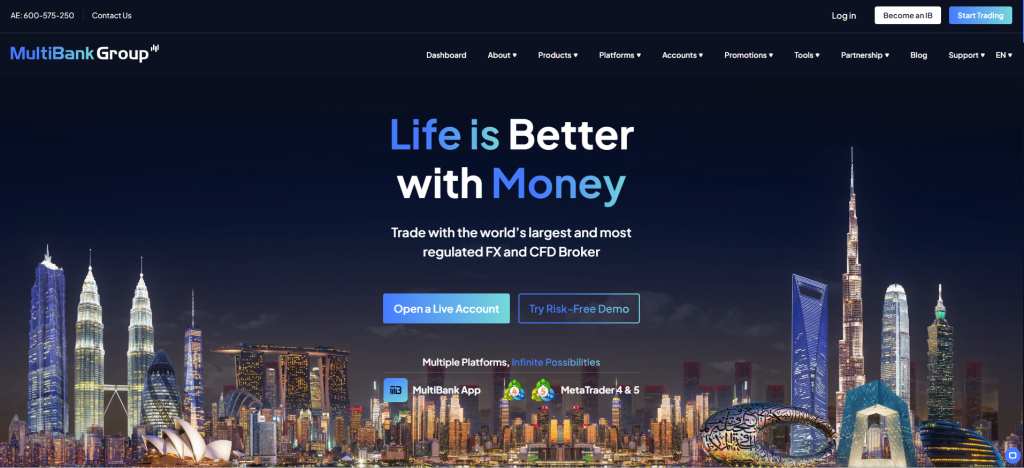
1. MultiBank Group

MultiBank Group is a globally recognized forex and CFD broker with a strong regulatory framework and a growing presence in Nigeria. While not directly regulated by the Central Bank of Nigeria (CBN), MultiBank Group accepts Nigerian traders, providing them access to secure trading platforms, multiple global regulations, and localized support tailored to the Nigerian market.
| Broker | MultiBank Group |
| Regulation | 🇦🇺 ASIC/AUSTRAC 🇩🇪 BaFin 🇦🇪 ESCA 🇨🇾 CySEC 🇲🇺 FSC 🇸🇬 MAS 🇻🇺 VFSC 🇰🇾 CIMA 🇦🇹 FMA 🇨🇳 TFG 🇸🇨 FSA 🇲🇳 FSCM 🇦🇪 VARA 🇪🇪 FIU |
| Minimum Deposit | 50 USD |
| Spreads From | 0.0 pips |
| Commissions | None |
| Swap Fees | Yes |
| Leverage | Up to 1:500 |
| Trading Platforms | MetaTrader 4 (MT4) MetaTrader 5 (MT5) MultiBank-Plus Proprietary platforms/tools |
| CFDs Total | 20,000 + |
| Account Segregation | Yes |
| Negative Balance Protection | Yes |
| Investor Protection Schemes | Yes |
| Broker Review |  |
| Trade Now |  |
Frequently Asked Questions
Does MultiBank Group accept Nigerian traders?
Yes, MultiBank Group accepts Nigerian traders. They have confirmed their commitment to the African market by specifically announcing the opening of a branch office in Lagos, Nigeria, to serve local investors.
Is it safe for Nigerians to trade with MultiBank Group?
MultiBank Group is generally considered safe due to its multiple global regulations (Tier 1 and Tier 2 licenses) and its large capital base, which provides a high level of financial security for Nigerian traders.
Pros and Cons
| ✓ Pros | ✕ Cons |
| Authorized and regulated by multiple global financial authorities | Not authorized by the Central Bank of Nigeria (CBN) |
| Accepts Nigerian traders with localized account support | Limited educational content for beginner traders |
| Offers tight spreads and competitive trading conditions | Higher minimum deposit compared to some local brokers |
| Provides access to advanced platforms like MetaTrader 4 and 5 | Withdrawal fees may apply on certain methods |
| Strong global presence with award-winning service | No Naira-based trading accounts |
Final Score
| # | Criteria | Score |
| 1 | Overall Rating and Trust Score | ⭐⭐⭐⭐☆ |
| 2 | Range of Investments, Platforms and Tools | ⭐⭐⭐⭐⭐ |
| 3 | Commissions, Fees, and Bonus Offers | ⭐⭐⭐⭐☆ |
| 4 | Research and Education | ⭐⭐⭐☆☆ |
| 5 | Mobile Trading and User Experience | ⭐⭐⭐⭐☆ |
| 6 | Customer Support and Regulatory Compliance | ⭐⭐⭐⭐☆ |
| 7 | Deposit and Withdrawal Option | ⭐⭐⭐⭐☆ |
| 8 | Execution Speed and Order Types | ⭐⭐⭐⭐⭐ |
| 9 | Risk Management and Safety Measures | ⭐⭐⭐⭐☆ |
| 10 | Markets Analysis and Trading Tools | ⭐⭐⭐⭐☆ |
Our Insights
MultiBank Group, though not authorized by the CBN, remains a reliable global broker for Nigerian traders. With strong international regulation, advanced platforms, and competitive conditions, it offers a secure and professional trading experience.
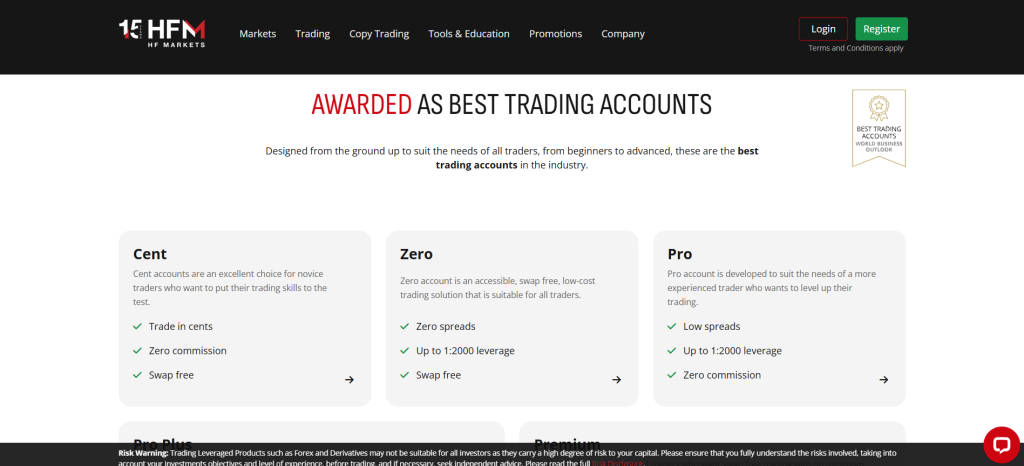
2. HFM

HFM is a globally recognized forex and CFD broker with a strong presence in Nigeria. While not directly authorized or regulated by the Central Bank of Nigeria (CBN), HFM is licensed by multiple international authorities and accepts Nigerian traders, offering localized support, Naira account options, and secure trading platforms designed to meet the needs of both beginner and professional traders in Nigeria.
| Broker | HFM |
| Regulation | 🇬🇧 FCA 🇨🇾 CySEC 🇦🇪 DFSA 🇿🇦 FSCA 🇸🇨 FSA 🇲🇺 FSC 🇰🇪 CMA |
| Minimum Deposit | 0 USD |
| Spreads From | 0.0 pips |
| Commissions | Yes |
| Swap Fees | Yes |
| Leverage | Up to 1:400 |
| Trading Platforms | MetaTrader 4 (MT4) MetaTrader 5 (MT5) WebTrader HFM proprietary HFCopy |
| CFDs Total | 500+ |
| Account Segregation | Yes |
| Negative Balance Protection | Yes |
| Investor Protection Schemes | Yes |
| Broker Review | |
| Trade Now |  |
Frequently Asked Questions
Is HFM legit in Nigeria?
Yes, HFM is considered a legit and well-established global broker. Although not locally regulated by Nigeria’s SEC, they operate under multiple major international licenses and offer safeguards like segregated client funds.
Does HFM accept Nigerian traders?
Yes, HFM definitely accepts Nigerian traders. They feature a specific Nigeria webpage offering local payment options, customer support contact numbers, and accounts tailored for the Nigerian market.
Pros and Cons
| ✓ Pros | ✕ Cons |
| Legit and regulated by multiple global authorities | Not regulated or authorized by the CBN |
| Accepts Nigerian traders with localized services | Limited product range compared to larger global brokers |
| Offers Naira accounts and easy local payment options | Some account types require higher deposits |
| Competitive spreads and flexible leverage options | Occasional withdrawal delays during high traffic periods |
| Advanced trading platforms (MT4 & MT5) with strong performance | Limited crypto trading options |
Final Score
| # | Criteria | Score |
| 1 | Overall Rating and Trust Score | ⭐⭐⭐⭐☆ |
| 2 | Range of Investments, Platforms and Tools | ⭐⭐⭐⭐☆ |
| 3 | Commissions, Fees, and Bonus Offers | ⭐⭐⭐⭐☆ |
| 4 | Research and Education | ⭐⭐⭐⭐☆ |
| 5 | Mobile Trading and User Experience | ⭐⭐⭐⭐☆ |
| 6 | Customer Support and Regulatory Compliance | ⭐⭐⭐☆☆ |
| 7 | Deposit and Withdrawal Option | ⭐⭐⭐⭐⭐ |
| 8 | Execution Speed and Order Types | ⭐⭐⭐⭐☆ |
| 9 | Risk Management and Safety Measures | ⭐⭐⭐⭐☆ |
| 10 | Markets Analysis and Trading Tools | ⭐⭐⭐⭐☆ |
Our Insights
HFM is a legit and globally regulated broker that accepts Nigerian traders. Although not CBN-regulated, it offers trusted platforms, local support, and competitive conditions, making it a reliable choice for Nigerian traders.
3. Exness

Exness is a globally trusted forex and CFD broker with a strong presence in Nigeria. Although not regulated or authorized by the Central Bank of Nigeria (CBN), Exness accepts Nigerian traders, offering localized payment options, Naira account funding, and reliable customer support. The broker operates under multiple international licenses, ensuring a secure and transparent trading environment for Nigerian clients.
| Broker | Exness |
| Regulation | 🇬🇧 FCA 🇨🇾 CySEC 🇸🇨 FSA 🇿🇦 FSCA 🇰🇪 CMA 🇯🇴 JSC 🇲🇺 FSC 🇻🇬 FSC 🇨🇼 CBCS |
| Minimum Deposit | 10 USD |
| Spreads From | 0.0 pips |
| Commissions | Yes |
| Swap Fees | Yes |
| Leverage | Up to 1:Unlimited |
| Trading Platforms | MetaTrader 4 (MT4) MetaTrader 5 (MT5) Exness Trader Web Terminal |
| CFDs Total | 200+ |
| Account Segregation | Yes |
| Negative Balance Protection | Yes |
| Investor Protection Schemes | Yes |
| Broker Review | |
| Trade Now | |

Frequently Asked Questions
Is Exness legal in Nigeria?
Exness is generally considered legal for Nigerian traders, operating under multiple international licenses (e.g., FSA, CySEC). While not locally regulated by the Nigerian SEC, they accept Nigerian residents and comply with global standards.
Does Exness accept Nigerian traders?
Yes, Exness does accept Nigerian traders. They offer services to a wide range of countries, including Nigeria, and their website facilitates account registration for Nigerian residents. They operate globally under multiple international regulatory licenses.
Pros and Cons
| ✓ Pros | ✕ Cons |
| Legal and regulated by reputable global authorities | Not regulated or authorized by the CBN |
| Accepts Nigerian traders with Naira deposit options | Limited educational tools for beginners |
| Low spreads and fast order execution | Occasional verification delays for new accounts |
| Transparent pricing and easy withdrawals | Restricted leverage under certain regulations |
| Strong global reputation with localized support | No proprietary trading platform (uses MT4/MT5) |
Final Score
| # | Criteria | Score |
| 1 | Overall Rating and Trust Score | ⭐⭐⭐⭐☆ |
| 2 | Range of Investments, Platforms and Tools | ⭐⭐⭐⭐☆ |
| 3 | Commissions, Fees, and Bonus Offers | ⭐⭐⭐☆☆ |
| 4 | Research and Education | ⭐⭐⭐⭐☆ |
| 5 | Mobile Trading and User Experience | ⭐⭐⭐⭐⭐ |
| 6 | Customer Support and Regulatory Compliance | ⭐⭐⭐☆☆ |
| 7 | Deposit and Withdrawal Option | ⭐⭐⭐⭐⭐ |
| 8 | Execution Speed and Order Types | ⭐⭐⭐⭐⭐ |
| 9 | Risk Management and Safety Measures | ⭐⭐⭐☆☆ |
| 10 | Markets Analysis and Trading Tools | ⭐⭐⭐⭐☆ |
Our Insights
Exness is a legal and globally regulated broker that welcomes Nigerian traders. Though not CBN-regulated, it provides secure trading conditions, localized payment options, and strong global credibility, making it a trusted choice in Nigeria.
Top 3 CBN Regulated Brokers – MultiBank Group vs HFM vs Exness
| Feature |  |  |  |
| CBN Regulation | None | None | None |
| Global Regulation | 🇦🇺 ASIC/AUSTRAC 🇩🇪 BaFin 🇦🇪 ESCA 🇨🇾 CySEC 🇲🇺 FSC 🇸🇬 MAS 🇻🇺 VFSC 🇰🇾 CIMA 🇦🇹 FMA 🇨🇳 TFG 🇸🇨 FSA 🇲🇳 FSCM 🇦🇪 VARA 🇪🇪 FIU | 🇬🇧 FCA 🇨🇾 CySEC 🇦🇪 DFSA 🇿🇦 FSCA 🇸🇨 FSA 🇲🇺 FSC 🇰🇪 CMA | 🇬🇧 FCA 🇨🇾 CySEC 🇸🇨 FSA 🇿🇦 FSCA 🇰🇪 CMA 🇯🇴 JSC 🇲🇺 FSC 🇻🇬 FSC 🇨🇼 CBCS |
| Presence in Nigeria | Growing presence through online platforms and partnerships | Strong presence with local offices and Nigerian customer support | Strong online presence and localized Nigerian services |
| Accepts Nigerian Traders | Yes | Yes | Yes |
| Naira Account Option | None | Yes | Yes |
| Local Deposit & Withdrawal Options | Yes | Yes | Yes |
| Trading Platforms | MetaTrader 4 (MT4) MetaTrader 5 (MT5) MultiBank-Plus Proprietary platforms/tools | MetaTrader 4 (MT4) MetaTrader 5 (MT5) WebTrader HFM proprietary HFCopy | MetaTrader 4 (MT4) MetaTrader 5 (MT5) Exness Trader Web Terminal |
| Minimum Deposit | 50 USD | 5 USD | 10 USD |
| Leverage Offered | Up to 1:500 | Up to 1:1000 | Up to 1:2000 |
| Overall Reputation | Highly trusted, globally regulated | Highly rated, strong African presence | Trusted, transparent, and globally recognized |
| Trade Now | | | |

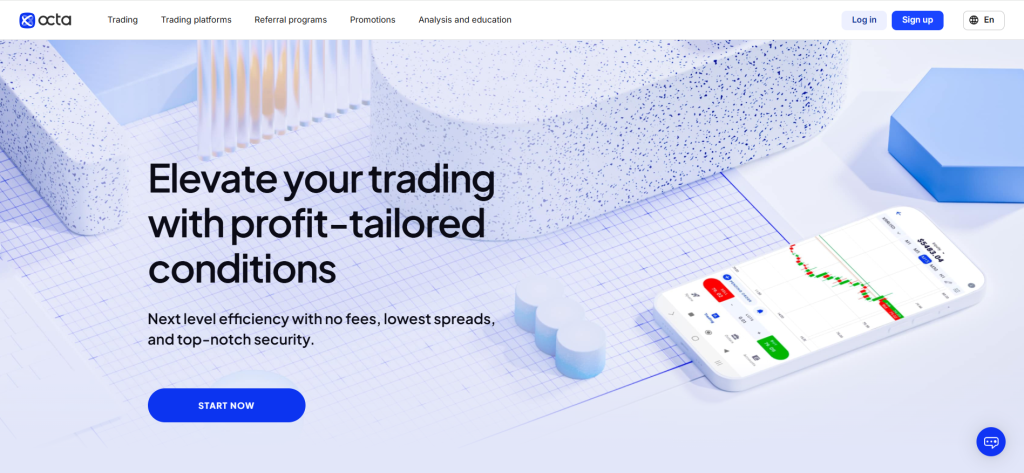
4. Octa

Octa is a well-known global forex and CFD broker that operates in Nigeria and accepts Nigerian traders. It is important to note that while Octa is legal for Nigerian clients and offers local services like Naira accounts, bank deposits, and local support, it is not regulated or authorized by the Central Bank of Nigeria (CBN).
| Broker | Octa |
| Regulation | 🇨🇾 CySEC 🇿🇦 FSCA 🇲🇺 FSC 🇰🇲 MISA 🇸🇨 FSA |
| Minimum Deposit | 25 USD |
| Spreads From | 0.6 pips |
| Commissions | None |
| Swap Fees | None |
| Leverage | Up to 1:500 |
| Trading Platforms | MetaTrader 4 (MT4) MetaTrader 5 (MT5) OctaTrader |
| CFDs Total | 230+ |
| Account Segregation | Yes |
| Negative Balance Protection | Yes |
| Investor Protection Schemes | Yes |
| Broker Review | |
| Trade Now | |
Frequently Asked Questions
Does Octa accept Nigerian traders?
Yes, Octa explicitly accepts Nigerian traders. They offer specialized services like local bank deposits/withdrawals and have a strong market presence, catering directly to Nigerian clients.
Is Octa safe for Nigerian traders?
Octa employs strong security measures like segregated client funds, SSL encryption, and negative balance protection. However, it is not locally regulated by Nigeria’s CBN or SEC, so Nigerian traders rely on its international licenses, which some may view as a higher risk.
Pros and Cons
| ✓ Pros | ✕ Cons |
| Approved and regulated by international financial authorities | Not approved or regulated by the CBN |
| Accepts Nigerian traders with localized services | Limited range of trading instruments compared to larger brokers |
| Offers Naira accounts and instant local deposits | No support for MetaTrader 5 in some regions |
| Low spreads and commission-free trading options | Occasional delays in verification during peak times |
| User-friendly platform suitable for beginners | Limited educational content for advanced traders |
Final Score
| # | Criteria | Score |
| 1 | Overall Rating and Trust Score | ⭐⭐⭐⭐☆ |
| 2 | Range of Investments, Platforms and Tools | ⭐⭐⭐⭐☆ |
| 3 | Commissions, Fees, and Bonus Offers | ⭐⭐⭐⭐☆ |
| 4 | Research and Education | ⭐⭐⭐⭐☆ |
| 5 | Mobile Trading and User Experience | ⭐⭐⭐⭐☆ |
| 6 | Customer Support and Regulatory Compliance | ⭐⭐⭐⭐☆ |
| 7 | Deposit and Withdrawal Option | ⭐⭐⭐⭐☆ |
| 8 | Execution Speed and Order Types | ⭐⭐⭐⭐☆ |
| 9 | Risk Management and Safety Measures | ⭐⭐⭐⭐☆ |
| 10 | Markets Analysis and Trading Tools | ⭐⭐⭐☆☆ |
Our Insights
Octa is an internationally approved broker that legally accepts Nigerian traders. Although not CBN-regulated, it provides localized support, Naira accounts, and reliable trading conditions, making it a trusted choice for traders in Nigeria.
5. FXTM

FXTM is a major global broker with a significant operation in Nigeria, featuring local offices in Lagos, Abuja, and Port Harcourt, along with dedicated local customer support. Although it lacks regulation or authorization from the Central Bank of Nigeria (CBN), it is a popular choice for Nigerian traders, offering Naira accounts and convenient local bank transfers for deposits and withdrawals.
| Broker | FXTM |
| Regulation | 🇬🇧 FCA 🇨🇾 CySEC 🇿🇦 FSCA 🇲🇺 FSC 🇰🇪 CMA 🇦🇪 ESCA |
| Minimum Deposit | 200 USD |
| Spreads From | 0.0 pips |
| Commissions | Yes |
| Swap Fees | Yes |
| Leverage | Up to 1:2000 |
| Trading Platforms | MetaTrader 4 (MT4) MetaTrader 5 (MT5) |
| CFDs Total | 250+ |
| Account Segregation | Yes |
| Negative Balance Protection | Yes |
| Investor Protection Schemes | Yes |
| Broker Review | |
| Trade Now | |

Frequently Asked Questions
Does FXTM accept Nigerian traders?
Yes, FXTM actively accepts Nigerian traders. It has a strong presence in Nigeria, offering Naira-denominated accounts and local bank transfer options for deposits and withdrawals, making it highly accessible to Nigerian residents.
Is FXTM safe and reliable for Nigerians?
FXTM is considered reliable as a globally regulated broker that segregates client funds. While not CBN-regulated, it has a large Nigerian client base and local offices, offering Naira accounts and local support, which enhances its reliability for traders in Nigeria.
Pros and Cons
| ✓ Pros | ✕ Cons |
| Registered and regulated by reputable global authorities | Not registered or regulated by the CBN |
| Strong physical presence with offices in Nigeria | Higher spreads on some account types |
| Offers Naira accounts and local payment methods | Limited range of cryptocurrencies for trading |
| Fast withdrawals and user-friendly platforms | Occasional withdrawal delays during peak times |
| Excellent customer support for Nigerian traders | Inactivity fees on dormant accounts |
Final Score
| # | Criteria | Score |
| 1 | Overall Rating and Trust Score | ⭐⭐⭐⭐☆ |
| 2 | Range of Investments, Platforms and Tools | ⭐⭐⭐⭐☆ |
| 3 | Commissions, Fees, and Bonus Offers | ⭐⭐⭐☆☆ |
| 4 | Research and Education | ⭐⭐⭐⭐☆ |
| 5 | Mobile Trading and User Experience | ⭐⭐⭐⭐☆ |
| 6 | Customer Support and Regulatory Compliance | ⭐⭐⭐⭐☆ |
| 7 | Deposit and Withdrawal Option | ⭐⭐⭐⭐⭐ |
| 8 | Execution Speed and Order Types | ⭐⭐⭐⭐☆ |
| 9 | Risk Management and Safety Measures | ⭐⭐⭐⭐☆ |
| 10 | Markets Analysis and Trading Tools | ⭐⭐⭐⭐☆ |
Our Insights
FXTM is a reputable, globally regulated broker with a significant operation in Nigeria. While it does not have CBN authorization, it fully accepts Nigerian traders, offers Naira-based accounts, and delivers reliable, localized trading services with a strong presence throughout the country.
6. IC Markets

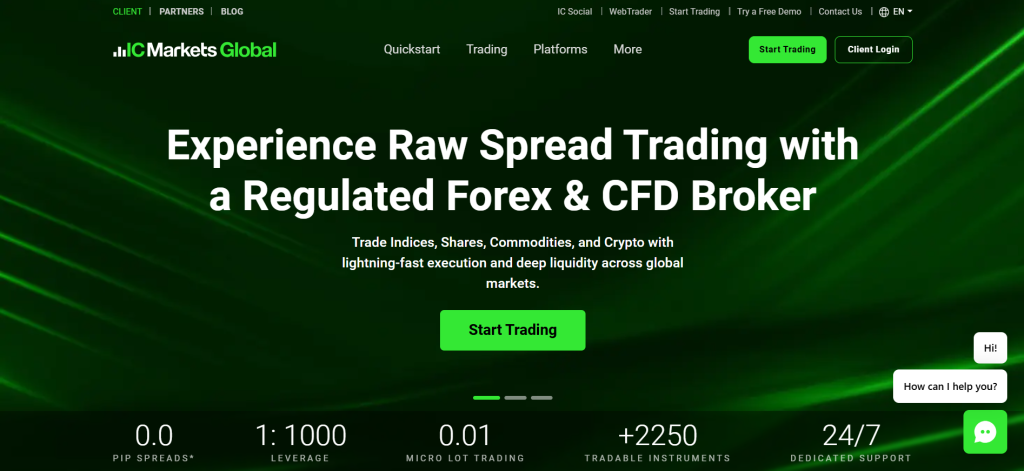
IC Markets is an internationally recognized forex and CFD broker that accepts Nigerian traders. It operates under tier-one global licenses (like ASIC, CySEC, FSA) and is noted for its multiple platforms and competitive spreads, but it is not regulated or authorized by the Central Bank of Nigeria (CBN).
| Broker | IC Markets |
| Regulation | 🇦🇺 ASIC 🇨🇾 CySEC 🇸🇨 FSA 🇧🇸 SCB |
| Minimum Deposit | 200 USD |
| Spreads From | 0.0 pips |
| Commissions | Yes |
| Swap Fees | Yes |
| Leverage | Up to 1:500 |
| Trading Platforms | MetaTrader 4 (MT4) MetaTrader 5 (MT5) cTrader WebTrader |
| CFDs Total | 2,300+ |
| Account Segregation | Yes |
| Negative Balance Protection | Yes |
| Investor Protection Schemes | Yes |
| Broker Review | |
| Trade Now | |
Frequently Asked Questions
Does IC Markets accept Nigerian traders?
Yes, IC Markets accepts Nigerian traders. Although the broker is not regulated by the CBN, it welcomes Nigerian clients and offers access to its platforms, competitive spreads, and global regulatory compliance under licenses like FSA.
Is IC Markets a safe and authorized broker?
IC Markets is considered a safe and regulated broker, holding licenses from multiple international authorities, including the top-tier ASIC and CySEC. They offer segregated client funds for protection.
Pros and Cons
| ✓ Pros | ✕ Cons |
| Authorized and regulated by top-tier financial authorities | Not authorized by the Central Bank of Nigeria (CBN) |
| Accepts Nigerian traders with global account access | No local offices or physical presence in Nigeria |
| Extremely low spreads and fast execution speeds | No Naira denominated trading accounts |
| Advanced trading platforms (MT4, MT5, cTrader) | Limited localized customer support |
| No restrictions on trading strategies (scalping, hedging, EAs) | High minimum deposits for some account types |
Final Score
| # | Criteria | Score |
| 1 | Overall Rating and Trust Score | ⭐⭐⭐⭐⭐ |
| 2 | Range of Investments, Platforms and Tools | ⭐⭐⭐⭐☆ |
| 3 | Commissions, Fees, and Bonus Offers | ⭐⭐⭐⭐☆ |
| 4 | Research and Education | ⭐⭐⭐☆☆ |
| 5 | Mobile Trading and User Experience | ⭐⭐⭐⭐☆ |
| 6 | Customer Support and Regulatory Compliance | ⭐⭐⭐⭐☆ |
| 7 | Deposit and Withdrawal Option | ⭐⭐⭐⭐☆ |
| 8 | Execution Speed and Order Types | ⭐⭐⭐⭐⭐ |
| 9 | Risk Management and Safety Measures | ⭐⭐⭐⭐☆ |
| 10 | Markets Analysis and Trading Tools | ⭐⭐⭐⭐☆ |
Our Insights
IC Markets is an authorized and globally regulated broker that legally serves Nigerian traders. Although not CBN-regulated, it offers advanced trading platforms, low spreads, and reliable execution, making it a trusted choice for professionals.
7. Pepperstone

Pepperstone is a globally-recognized forex and CFD broker that welcomes Nigerian traders. While it lacks local authorization from the Central Bank of Nigeria (CBN), it is strongly regulated by leading international bodies like the UK’s FCA, Australia’s ASIC, and CySEC. This multi-jurisdictional licensing provides a secure trading environment, enhanced by competitive conditions and access to major trading platforms.
| Broker | Pepperstone |
| Regulation | 🇦🇺 ASIC 🇬🇧 FCA 🇨🇾 CySEC 🇩🇪 BaFin 🇦🇪 DFSA 🇰🇪 CMA 🇧🇸 SCB |
| Minimum Deposit | 0 USD |
| Spreads From | 0.0 pips |
| Commissions | Yes |
| Swap Fees | Yes |
| Leverage | Up to 500:1 |
| Trading Platforms | MetaTrader 4 (MT4) MetaTrader 5 (MT5) cTrader TradingView Pepperstone’s own platform Myfxbook DupliTrade |
| CFDs Total | 1,200+ |
| Account Segregation | Yes |
| Negative Balance Protection | Yes |
| Investor Protection Schemes | Yes |
| Broker Review | |
| Trade Now | |

Frequently Asked Questions
Is Pepperstone legit in Nigeria?
Yes, Pepperstone is legit for Nigerian traders, though it’s not regulated by the CBN. It’s a globally recognized broker with regulation from top-tier authorities like the UK’s FCA and Australia’s ASIC, offering a secure trading environment.
Does Pepperstone accept Nigerian traders?
Yes, Pepperstone accepts traders from Nigeria. As a global broker, they allow Nigerian residents to open a trading account and access their platforms, competitive spreads, and international asset markets.
Pros and Cons
| ✓ Pros | ✕ Cons |
| Legit and regulated by leading global authorities | Not regulated or licensed by the CBN |
| Accepts Nigerian traders with easy account setup | No Naira accounts or local payment options |
| Low spreads and ultra fast trade execution | Limited presence or physical offices in Nigeria |
| Supports multiple advanced trading platforms (MT4, MT5, cTrader) | Minimum deposit may be higher than some brokers |
| Excellent reputation for transparency and reliability | Limited educational tools for beginner traders |
Final Score
| # | Criteria | Score |
| 1 | Overall Rating and Trust Score | ⭐⭐⭐⭐☆ |
| 2 | Range of Investments, Platforms and Tools | ⭐⭐⭐⭐☆ |
| 3 | Commissions, Fees, and Bonus Offers | ⭐⭐⭐⭐☆ |
| 4 | Research and Education | ⭐⭐⭐☆☆ |
| 5 | Mobile Trading and User Experience | ⭐⭐⭐⭐☆ |
| 6 | Customer Support and Regulatory Compliance | ⭐⭐⭐⭐☆ |
| 7 | Deposit and Withdrawal Option | ⭐⭐⭐☆☆ |
| 8 | Execution Speed and Order Types | ⭐⭐⭐⭐⭐ |
| 9 | Risk Management and Safety Measures | ⭐⭐⭐⭐☆ |
| 10 | Markets Analysis and Trading Tools | ⭐⭐⭐☆☆ |
Our Insights
Pepperstone is a legit, globally regulated broker that accepts Nigerian traders. Though not CBN-regulated, it offers competitive spreads, fast execution, and reliable platforms, making it a trustworthy choice for professional traders in Nigeria.
8. XM

XM is a popular international forex and CFD broker that welcomes Nigerian traders. While it is strongly regulated globally by bodies like ASIC and CySEC, note that it does not have local authorization from the Central Bank of Nigeria (CBN). The platform offers access to over 1,000 instruments, including currencies, stocks, and commodities.
| Broker | XTB |
| Regulation | 🇬🇧 FCA 🇨🇾 CySEC 🇵🇱 KNF 🇦🇪 DFSA 🇧🇿 IFSC 🇿🇦 FSCA |
| Minimum Deposit | 0 USD |
| Spreads From | 0.05–0.07 pips |
| Commissions | None |
| Swap Fees | Yes |
| Leverage | Up to 1:500 |
| Trading Platforms | Proprietary xStation 5 |
| CFDs Total | 1,892+ |
| Account Segregation | Yes |
| Negative Balance Protection | Yes |
| Investor Protection Schemes | Yes |
| Broker Review | |
| Trade Now | |

Frequently Asked Questions
Is XM legal in Nigeria?
Forex trading is legal in Nigeria, and XM accepts Nigerian traders. However, XM is an international broker regulated by top-tier bodies like ASIC and CySEC, and is not locally regulated or authorized by the Central Bank of Nigeria (CBN).
Does XM accept Nigerian traders?
Yes, XM does accept Nigerian traders. They are a globally regulated broker that onboards Nigerian clients under one of their international entities, allowing access to over 1,000 trading instruments.
Pros and Cons
| ✓ Pros | ✕ Cons |
| Legal and regulated by multiple international financial authorities | Not regulated or authorized by the CBN |
| Accepts Nigerian traders with local deposit and withdrawal options | No physical offices or direct presence in Nigeria |
| Low minimum deposit and tight spreads | Limited number of cryptocurrencies available for trading |
| User-friendly platforms (MT4 and MT5) | Occasional withdrawal processing delays |
| Strong global reputation and reliable customer support | Higher spreads on micro accounts |
Final Score
| # | Criteria | Score |
| 1 | Overall Rating and Trust Score | ⭐⭐⭐⭐☆ |
| 2 | Range of Investments, Platforms and Tools | ⭐⭐⭐⭐☆ |
| 3 | Commissions, Fees, and Bonus Offers | ⭐⭐⭐⭐☆ |
| 4 | Research and Education | ⭐⭐⭐⭐⭐ |
| 5 | Mobile Trading and User Experience | ⭐⭐⭐⭐☆ |
| 6 | Customer Support and Regulatory Compliance | ⭐⭐⭐☆☆ |
| 7 | Deposit and Withdrawal Option | ⭐⭐⭐⭐☆ |
| 8 | Execution Speed and Order Types | ⭐⭐⭐⭐☆ |
| 9 | Risk Management and Safety Measures | ⭐⭐⭐⭐☆ |
| 10 | Markets Analysis and Trading Tools | ⭐⭐⭐⭐☆ |
Our Insights
XM is a globally regulated and trustworthy broker for Nigerian traders. While it lacks CBN regulation, it provides secure platforms, local payment methods, and highly competitive trading conditions.
9. AvaTrade

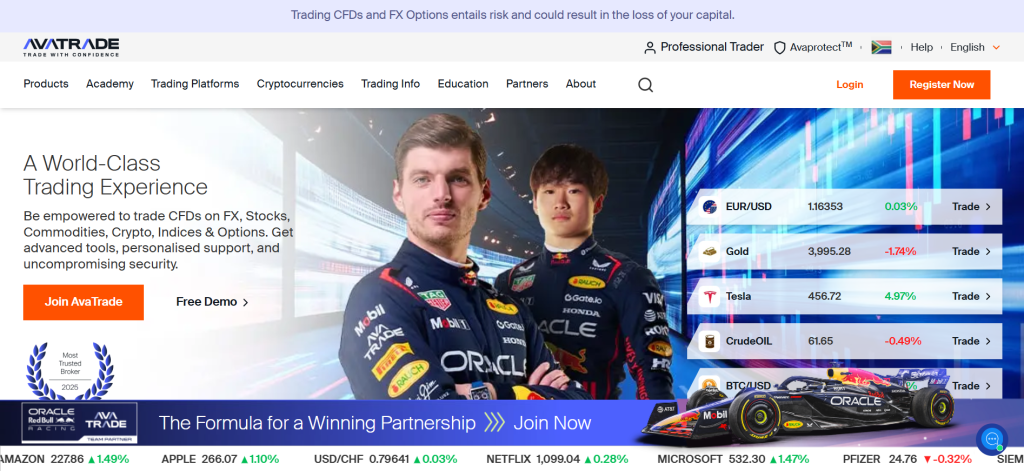
AvaTrade has a solid Nigerian presence and welcomes local traders. While the broker lacks CBN authorisation, its operations are secured by multiple respected global regulators, including the CBI (Ireland), ASIC (Australia), and BVI FSC.
| Broker | AvaTrade |
| Regulation | 🇮🇪 CBI 🇻🇬 BVI FSC 🇦🇺 ASIC 🇿🇦 FSCA 🇯🇵 JFSA 🇦🇪 ADGM FSRA 🇮🇱 ISA 🇵🇱 KNF |
| Minimum Deposit | 100 USD |
| Spreads From | 0.9 pips |
| Commissions | None |
| Swap Fees | Yes |
| Leverage | Up to 1:400 |
| Trading Platforms | MetaTrader 4 (MT4) MetaTrader 5 (MT5) WebTrader AvaTradeGO AvaOptions AvaSocial DupliTrade AvaProtect |
| CFDs Total | 1,250+ |
| Account Segregation | Yes |
| Negative Balance Protection | Yes |
| Investor Protection Schemes | Yes |
| Broker Review | |
| Trade Now | |
Frequently Asked Questions
Does AvaTrade accept Nigerian traders?
Yes, AvaTrade is a globally regulated broker that has a strong presence in Nigeria and accepts traders from the country. They onboard clients under their international entity.
Is AvaTrade a safe and approved broker?
Yes, AvaTrade is considered a safe and approved international broker. It holds licenses across nine global jurisdictions, including top-tier regulators like the Central Bank of Ireland (CBI) and ASIC (Australia).
Pros and Cons
| ✓ Pros | ✕ Cons |
| Approved and regulated by top-tier global financial authorities | Not approved or regulated by the CBN |
| Accepts Nigerian traders with localized deposit options | Limited presence or physical offices in Nigeria |
| User-friendly platforms including AvaTradeGO and MetaTrader | High inactivity fees on dormant accounts |
| Fixed and variable spread account choices | No Naira-based trading accounts |
| Strong global reputation and secure fund management | Limited cryptocurrency trading options |
Final Score
| # | Criteria | Score |
| 1 | Overall Rating and Trust Score | ⭐⭐⭐⭐☆ |
| 2 | Range of Investments, Platforms and Tools | ⭐⭐⭐⭐☆ |
| 3 | Commissions, Fees, and Bonus Offers | ⭐⭐⭐⭐☆ |
| 4 | Research and Education | ⭐⭐⭐⭐☆ |
| 5 | Mobile Trading and User Experience | ⭐⭐⭐⭐⭐ |
| 6 | Customer Support and Regulatory Compliance | ⭐⭐⭐⭐⭐ |
| 7 | Deposit and Withdrawal Option | ⭐⭐⭐⭐☆ |
| 8 | Execution Speed and Order Types | ⭐⭐⭐⭐☆ |
| 9 | Risk Management and Safety Measures | ⭐⭐⭐⭐⭐ |
| 10 | Markets Analysis and Trading Tools | ⭐⭐⭐⭐☆ |
Our Insights
AvaTrade is an internationally approved broker that legally serves Nigerian traders. Although not CBN-regulated, it offers secure platforms, competitive spreads, and strong oversight, making it a trusted global choice for Nigerian traders.
10. JustMarkets

JustMarkets accepts Nigerian traders, offering convenient local payment methods and 24/7 support. However, it operates as an online-based international broker and is not regulated or authorised by the Central Bank of Nigeria (CBN).
| Broker | JustMarkets |
| Regulation | 🇸🇨 FSA 🇨🇾 CySEC 🇿🇦 FSCA 🇲🇺 FSC |
| Minimum Deposit | 10 USD |
| Spreads From | 0.0 pips |
| Commissions | None |
| Swap Fees | Yes |
| Leverage | Up to 1:3000 |
| Trading Platforms | MetaTrader 4 (MT4) MetaTrader 5 (MT5) |
| CFDs Total | 500+ |
| Account Segregation | Yes |
| Negative Balance Protection | Yes |
| Investor Protection Schemes | Yes |
| Broker Review | |
| Trade Now | |

Frequently Asked Questions
Does JustMarkets accept Nigerian traders?
Yes, JustMarkets is a global broker that accepts Nigerian traders. It offers local payment solutions and 24/7 customer support, and its registration pages list Nigeria as an accepted country.
Is JustMarkets a registered and safe broker?
JustMarkets is regulated by multiple authorities like CySEC and FSCA (South Africa), providing safety features like segregated funds. However, some entities operate under less strict, offshore licenses.
Pros and Cons
| ✓ Pros | ✕ Cons |
| Registered and regulated by reputable global authorities | Not registered or regulated by the CBN |
| Accepts Nigerian traders with local payment options | No physical office or local regulation in Nigeria |
| Offers leverage up to 1:3000 | Investor protection varies by jurisdiction |
| Tight spreads starting from 0.0 pips | Limited educational resources for beginners |
| Provides MT4 and MT5 trading platforms | High leverage may increase trading risk |
Final Score
| # | Criteria | Score |
| 1 | Overall Rating and Trust Score | ⭐⭐⭐⭐☆ |
| 2 | Range of Investments, Platforms and Tools | ⭐⭐⭐⭐☆ |
| 3 | Commissions, Fees, and Bonus Offers | ⭐⭐⭐⭐☆ |
| 4 | Research and Education | ⭐⭐⭐☆☆ |
| 5 | Mobile Trading and User Experience | ⭐⭐⭐⭐☆ |
| 6 | Customer Support and Regulatory Compliance | ⭐⭐⭐☆☆ |
| 7 | Deposit and Withdrawal Option | ⭐⭐⭐⭐☆ |
| 8 | Execution Speed and Order Types | ⭐⭐⭐⭐☆ |
| 9 | Risk Management and Safety Measures | ⭐⭐⭐⭐☆ |
| 10 | Markets Analysis and Trading Tools | ⭐⭐⭐⭐☆ |
Our Insights
JustMarkets accepts Nigerian traders and is globally regulated by bodies like CySEC and FSCA, though not by the CBN. It’s a strong choice, offering Nigerian traders competitive spreads, high leverage, and reliable MT4/MT5 platforms.
What is a CBN Regulated Forex Broker?
A CBN Regulated Forex Broker is a forex trading company that is licensed and supervised by the Central Bank of Nigeria (CBN) to operate within Nigeria’s financial markets. These brokers must comply with Nigeria’s financial laws, anti-money laundering standards, and foreign exchange regulations established by the CBN.
A broker that is CBN-regulated is formally authorized by the Central Bank of Nigeria to legally offer forex trading services in the country. This official approval means the broker is operating under Nigeria’s laws, which primarily serves to ensure:
-
Local investor protection and transparent operations.
-
Segregation of client funds from company accounts.
-
Monitoring of transactions to prevent fraud and currency manipulation.
Almost all big forex brokers hold foreign licenses (like from CySEC, FCA, or ASIC) and do not have CBN approval, so international rules, not Nigerian laws, protect Nigerian traders using them.
Criteria for Choosing a CBN Regulated Broker
| Criteria | Description | Importance |
| CBN Authorization | Ensure the broker is officially licensed and supervised by the Central Bank of Nigeria (CBN) to operate legally within the country. | ⭐⭐⭐⭐⭐ |
| Fund Security | Check if the broker keeps clients’ funds in segregated Nigerian bank accounts for safety and transparency. | ⭐⭐⭐⭐⭐ |
| Regulatory Compliance | Verify that the broker follows all CBN forex trading and anti money laundering regulations. | ⭐⭐⭐⭐☆ |
| Local Presence | A broker with an office or representative in Nigeria provides easier access to support and regulatory recourse. | ⭐⭐⭐⭐☆ |
| Payment Methods | Ensure the broker supports Naira deposits and withdrawals through Nigerian banks and payment systems. | ⭐⭐⭐⭐☆ |
| Trading Platform Reliability | Look for stable, secure, and user-friendly platforms approved by the regulator, such as MT4 or MT5. | ⭐⭐⭐⭐☆ |
| Customer Support Quality | Reliable, responsive local customer service available during Nigerian business hours is essential. | ⭐⭐⭐⭐☆ |
| Transparency of Fees | CBN-regulated brokers must clearly disclose spreads, commissions, and swap rates to traders. | ⭐⭐⭐⭐⭐ |
| Educational Resources | Brokers offering training, webinars, and trading guidance can help beginners trade responsibly. | ⭐⭐⭐☆☆ |
| Investor Protection Schemes | Confirm whether the broker provides compensation schemes or insurance as per CBN guidelines. | ⭐⭐⭐⭐☆ |
Top 10 Best CBN Regulated Brokers – A Direct Comparison
| Heavy regulation Fund segregation $1 million insurance | | |
| Tight spreads Flexible leverage Fast execution | | |
| No overnight fees Segregated accounts Multiple regulations | | |
 | No trading commission Fast deposits and withdrawals OctaTrader | | |
 | Demo Accounts Low Costs MetaTrader Suite | | |
 | Fast execution Multiple platforms Social trading | | |
 | TradingView Deep liquidity Multiple regulatory licenses | | |
 | Stable leverage Flexible account options Robust trading platforms | | |
 | Low-to-Average Spreads Multi-Jurisdictional Regulation AvaAcademy | | |
 | Diverse account types Low spreads Swap-free trading | | |
What Real Traders Want to Know!
Q: Is forex trading legal and regulated by the CBN in Nigeria? – Emeka B.
A: Yes, forex trading for individuals using their own funds is legal in Nigeria. However, the CBN or SEC do not directly regulate the retail online forex market; they focus on the wholesale market and institutions.
Q: Can the Central Bank of Nigeria block my forex trading activities? – Fumni J.
A: The CBN can indirectly restrict your activities by controlling access to foreign exchange through banks and limiting local payment methods for international brokers, but generally doesn’t block individual trading with foreign brokers.
Q: How can I avoid scams with forex brokers in Nigeria? – Uche V.
A: Choose brokers regulated by top-tier international bodies (FCA, CySEC, etc.). Avoid any promising guaranteed profits or managing funds for you. Check for clear withdrawal policies and be wary of huge, unregulated bonuses.
Pros and Cons
| ✓ Pros | ✕ Cons |
| Enhanced compliance and accountability | Reality of regulation may be misleading |
| Easier local operations | Limited domestic options |
| Better recourse in disputes | Potentially higher costs |
| Reduced currency conversion risk | False sense of security |
| Localised support | Regulatory changes/risk |
You Might also Like:
- MultiBank Group Review
- HFM Review
- Exness Review
- Octa Review
- FXTM Review
- IC Markets Review
- Pepperstone Review
- XM Review
- AvaTrade Review
- JustMarkets Review
In Conclusion
While a broker claiming CBN regulation might offer local-friendly features, the CBN offers limited actual oversight. You must still verify they are truly transparent, authorized, and backed by strong international licenses.
Faq
The CBN does not officially regulate the retail online forex market or foreign-based forex brokers. Its focus is on the official wholesale market, banks, and other authorized financial institutions.
CBN regulation is primarily important for macro-financial stability, managing the Naira’s value, and overseeing banks. For retail forex traders, international licenses (FCA, CySEC) provide the key client protection.
The CBN does not license retail online forex brokers. It regulates the wholesale FX market, commercial banks, and other financial institutions, but not the foreign-domiciled brokers Nigerians typically use.
Yes, Nigerian traders commonly use foreign-regulated brokers due to the lack of a specific local regulator for retail online forex trading. Reputable international regulation offers client protection.
The Central Bank of Nigeria (CBN does not license retail online forex brokers). To verify licensing for regulated financial institutions like banks, check the official CBN website’s list of Financial Institutions and the NDIC’s list of insured institutions.
Non-CBN regulated brokers pose risks like fraud, withdrawal problems, and broker insolvency, with no local investor protection or compensation schemes. Legal recourse is often difficult and expensive.
The CBN primarily regulates banks and the wholesale FX market in Nigeria. CySEC/FCA are foreign, top-tier regulators that implement strict investor protection (like leverage limits and client fund segregation) for retail online brokers.
For retail online trading, the CBN doesn’t regulate forex brokers directly. Choosing brokers with top-tier foreign regulation (like FCA, CySEC) is often considered safer due to stringent investor protection and fund segregation rules.
Traders should prioritize brokers with top-tier regulation (like FCA/CySEC) for fund safety. Look for low spreads/commissions, fast execution, a user-friendly platform (MT4/MT5), and easy local funding/withdrawal options.
The CBN’s primary focus is on managing the official Naira exchange rate and supply of forex, not regulating retail forex brokers. This impacts bank access to forex for deposits/withdrawals, often resulting in delays and restrictions for traders.

