How Iran’s President’s Death Could Impact Cryptocurrency and Sanctions Evasion
The sudden death of Iranian President Ebrahim Raisi has introduced significant uncertainty within Iran and the broader region. Given Raisi's
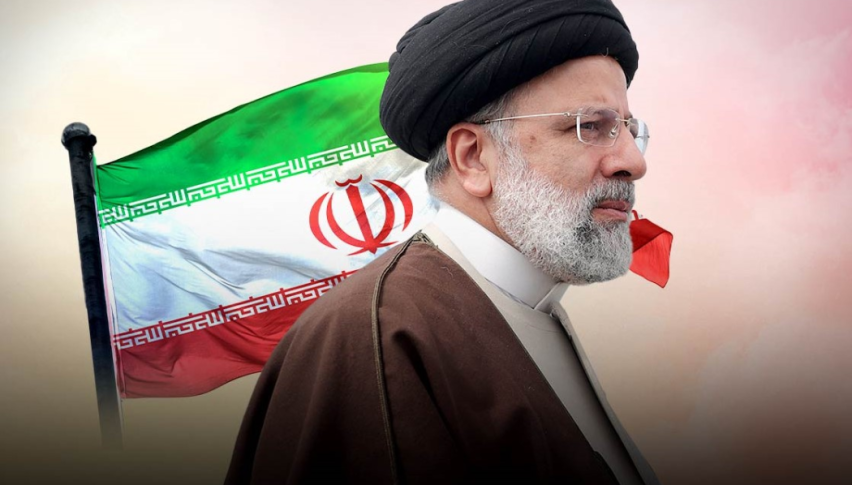
The sudden death of Iranian President Ebrahim Raisi has introduced significant uncertainty within Iran and the broader region. Given Raisi’s influential role in Iranian politics, his passing could disrupt internal political dynamics, foreign relations, and economic strategies.
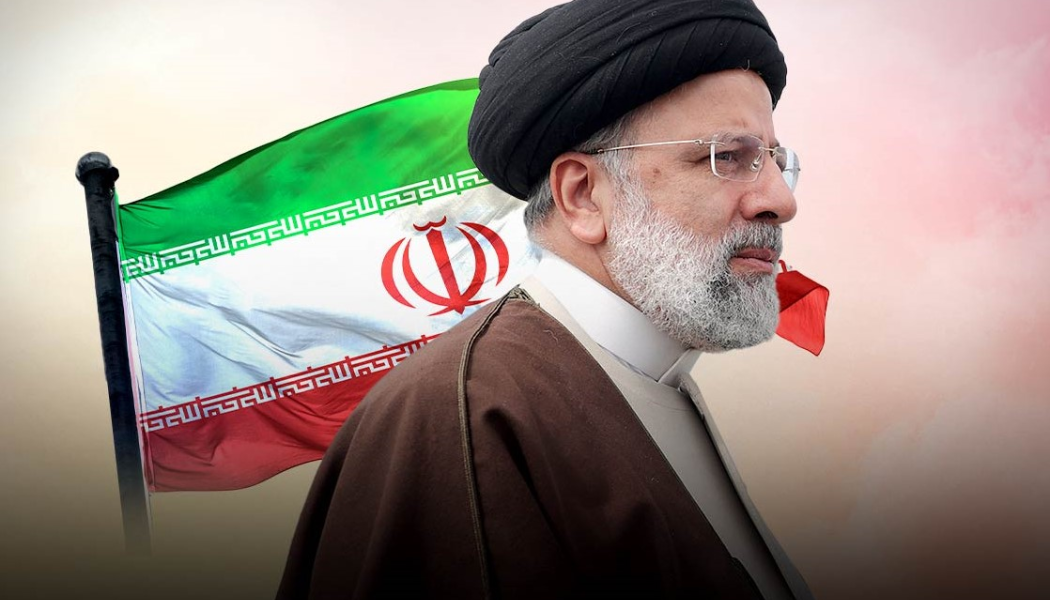
Iran’s economy, already struggling with U.S. sanctions, high inflation, and unemployment, might face further challenges if political instability persists.
Cryptocurrency as a Sanctions Evasion Tool
Cryptocurrency has been a key instrument for Iran in bypassing stringent international sanctions. The decentralized nature of digital currencies allows Iran to engage in international trade and stabilize its economy despite being cut off from the global financial system.
In 2022, Iran executed its first crypto-based trade order worth $10 million. This bold move followed the U.S. imposing additional sanctions. Recently, Iran’s Central Bank announced a pilot launch for the digital rial, its central bank digital currency (CBDC), aiming to bolster the economy.
President Raisi’s death raises critical questions about the continuity of these strategies. The potential increased use of cryptocurrency for sanctions evasion might prompt a stricter regulatory response from the global community.
The death of Iranian President Ebrahim Raisi in a helicopter crash raises the immediate question of who will succeed him in running the government https://t.co/RFRiweLhlt via @bpolitics
— Liberi, Oltre le Illusioni 🇺🇦🇪🇺 (@liberioltre) May 20, 2024
Countries like the U.S. have already voiced concerns over the use of digital currencies for illicit activities, including sanctions evasion and terrorism financing.
Impact on Bitcoin Mining and Market Reactions
Iran has also leveraged Bitcoin mining to mitigate the effects of sanctions. The government recognized cryptocurrency mining as a legitimate business in 2019 and issued over 1,000 mining licenses.
However, recent power shortages have forced Iran to halt mining operations, significantly reducing its global share of Bitcoin mining. According to the Cambridge Centre for Alternative Finance (CCAF), Iran’s share of the Bitcoin hash rate has dropped to 0.2% from a high of 7% in 2021.
The cryptocurrency market reacted to Raisi’s death with caution. Initial responses saw a slight dip in prices as investors assessed the potential implications for the region.
Geopolitical instability typically leads to market volatility, with investors seeking safer assets. Historically, gold has been a haven, but Bitcoin has emerged as a modern alternative due to its decentralized nature and finite supply.
The Global Context: Russia’s Similar Strategies
Iran is not alone in using cryptocurrency to circumvent sanctions. Russia, also facing international sanctions, has explored digital currencies as an alternative financial system. Both countries are developing central bank digital currencies (CBDCs) and digital financial assets (DFAs) to mitigate the impact of sanctions.
Recently, Russia and Iran have collaborated on trade solutions powered by CBDCs and DFAs, aiming to enhance their economic resilience against sanctions.
In conclusion, the unexpected death of President Raisi poses significant questions about Iran’s political stability and its economic policies, particularly regarding cryptocurrency use for sanctions evasion.
The global response, coupled with internal challenges, will shape the future of Iran’s strategies in the cryptocurrency space.
- Check out our free forex signals
- Follow the top economic events on FX Leaders economic calendar
- Trade better, discover more Forex Trading Strategies
- Open a FREE Trading Account
- Read our latest reviews on: Avatrade, Exness, HFM and XM

Related Articles



Sidebar rates

Related Posts
 Save
Save
