Nine Months of Manufacturing Contraction — Time to Cut Rates?
New orders contracted in November at their fastest pace since July, and backlogs dropped by the most in seven months.

Quick overview
- U.S. manufacturing experienced its largest decline since July, driven by high production costs from inflation and tariffs.
- The Institute for Supply Management’s Manufacturing Index fell to 48.2, indicating continued contraction for the ninth consecutive month.
- New orders and manufacturing employment both saw significant declines, with eleven industries shrinking in November.
- The upcoming Federal Reserve meeting is expected to result in a rate cut, as markets anticipate a 25-basis-point reduction.
U.S. manufacturing just posted its steepest drop since July, as high production costs driven by inflation and Donald Trump’s tariffs continue to weigh on the sector.

Industrial activity fell to a four-month low and has now spent nine straight months below expansion levels. The data arrives days before next week’s Federal Reserve meeting, where markets widely expect one final rate cut before year-end.
The Institute for Supply Management’s Manufacturing Index (ISM PMI) slipped 0.5 points to 48.2, according to Monday’s release. That marks a contraction not only from October’s reading but also from analysts’ expectations of 49. It’s the ninth consecutive month below 50, the threshold separating expansion from contraction.
Tariffs and inflation hit U.S. industry
The report shows the U.S. production engine remains stalled amid policy uncertainty and rising input costs linked to inflation. The ISM’s prices-paid index climbed for the first time in five months and now sits roughly 8 points above its level a year ago. Meanwhile, manufacturing employment fell to 44 from 46.
New orders contracted in November at their fastest pace since July, and backlogs dropped by the most in seven months.
Sector-wide, eleven industries shrank in November, led by apparel, wood products, paper, and textiles. Only four sectors— including computers and electronics—managed to grow, but even there expansion was the weakest in a year.
Is this the data the Fed needed?
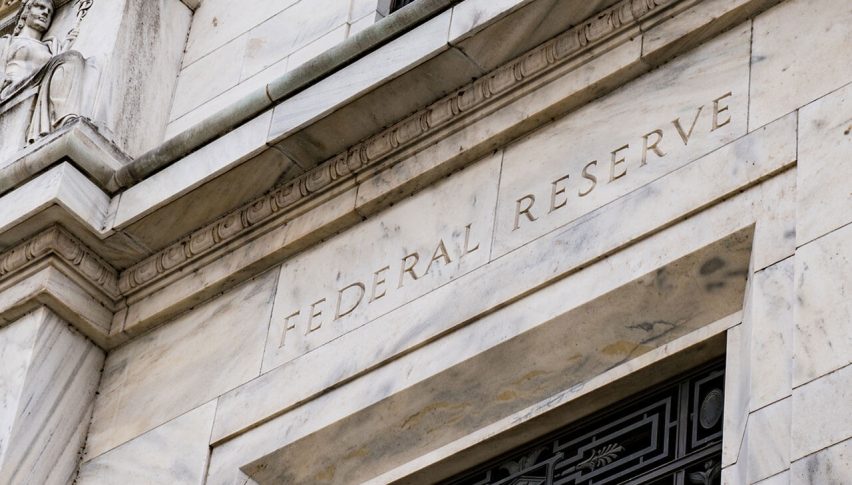
The report lands one week before the Fed’s key policy meeting. According to CME Group’s FedWatch tool, markets assign an 87% probability to a 25-basis-point rate cut, bringing the federal funds range to 3.5%–3.75%.
Weakening economic data—especially on labor and industrial activity—has alarmed Fed officials in recent months and helped justify the rate cuts delivered in September and October.
- Check out our free forex signals
- Follow the top economic events on FX Leaders economic calendar
- Trade better, discover more Forex Trading Strategies
- Open a FREE Trading Account
- Read our latest reviews on: Avatrade, Exness, HFM and XM




 Save
Save