Fed Braces for Make-or-Break Interest Rate Decision
Most investors expect a quarter-point cut that would bring the fed funds rate to between 3.50% and 3.75%, according to the FedWatch tool.
Quick overview
- The Federal Reserve is divided between concerns over inflation and a weakening labor market as it approaches its December meeting.
- Most investors anticipate a third consecutive rate cut, bringing the federal funds rate to between 3.50% and 3.75%.
- The Fed's decision comes amid a lack of recent economic data due to a federal government shutdown, complicating their data-dependent approach.
- Chair Jerome Powell's term ends in May, and there are speculations about potential changes in leadership influenced by President Trump's economic advisor.
The December meeting finds the Federal Reserve split between fears of an inflation rebound and a weakening labor market.
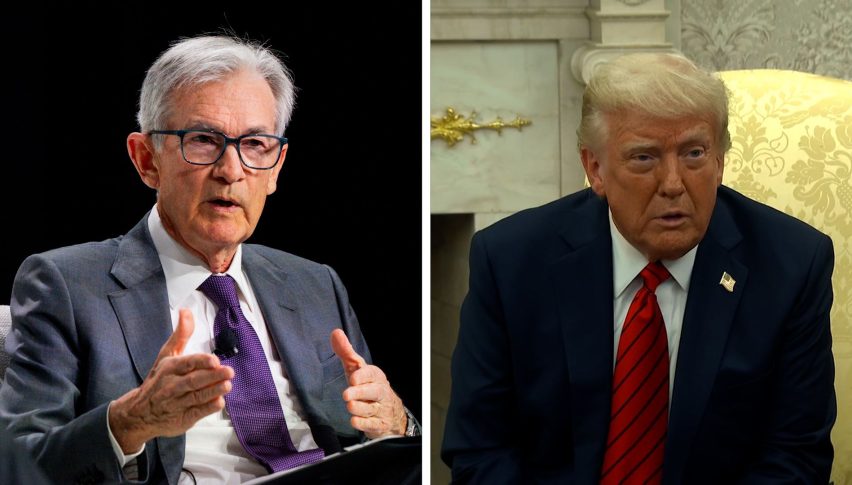
Cut rates or pause? The U.S. Federal Reserve is unusually divided, but the outcome for financial markets seems set: most expect a third consecutive rate cut on Wednesday.
When the Fed last met in October, Chair Jerome Powell said another key rate reduction in December was “far from certain,” noting “very divergent views” within the central bank.
According to meeting minutes and later statements, the twelve members of the rate-setting committee are split. Some fear a renewed rise in inflation driven by President Donald Trump’s tariffs. Others worry about labor-market deterioration, even though inflation remains above the Fed’s 2% target.
Monetary policymakers typically keep rates high to restrain price growth, but labor-market weakness could push them to cut further to support the economy.
Most investors expect a quarter-point cut that would bring the federal funds rate to between 3.50% and 3.75%, according to the CME FedWatch tool. The Fed reopened its easing cycle with cuts in both September and October.
However, official economic data has been scarce since then because of the long federal government shutdown, which lasted from October 1 to November 12.
The latest available unemployment rate (4.4%) is from September; October data will never be published, and November’s will arrive after the Fed meeting. The most recent inflation reading, also from September, shows a 2.8% annual increase. It’s a somewhat paradoxical moment for a Fed that insists it is data-dependent.
A data-light week for the Fed
Alongside Wednesday’s decision, the Fed will also release projections for the economy and monetary policy through 2026. Next year marks a major transition, with Powell’s term as chair ending in May.
Trump—who has relentlessly criticized Powell for not cutting rates more aggressively—said this week that his chief economic advisor, Kevin Hassett, could replace him. Hassett is aligned with Trump on key economic issues facing the Fed. But if he takes over, he may also face pressure from financial markets to push back against the White House on rates if inflation worsens.
- Check out our free forex signals
- Follow the top economic events on FX Leaders economic calendar
- Trade better, discover more Forex Trading Strategies
- Open a FREE Trading Account
- Read our latest reviews on: Avatrade, Exness, HFM and XM