Mexico Follows U.S. Lead, Approves Tariffs of Up to 50% on Chinese Goods
According to the Finance Ministry, the new tariffs are expected to generate an additional US$2.8 billion next year.
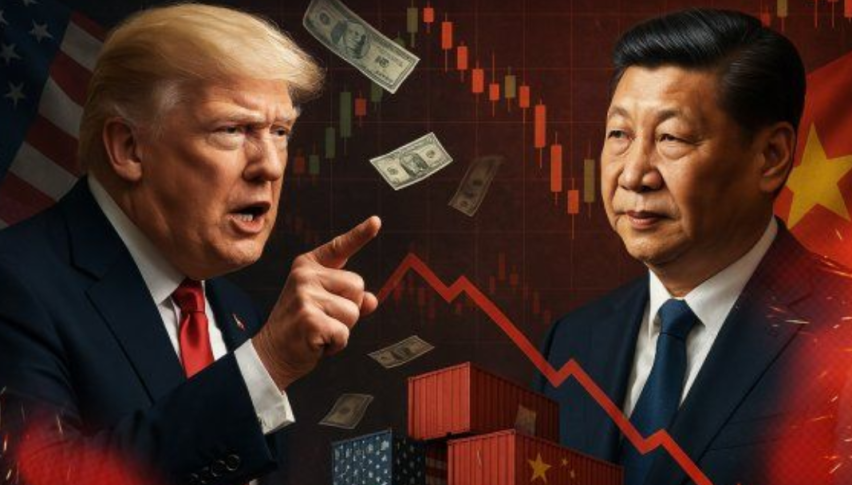
Quick overview
- Mexico's Senate approved a tariff package on Asian imports, imposing duties of 5% to 50% on over 1,400 products, effective January 2026.
- The legislation, promoted by President Claudia Sheinbaum, mirrors Donald Trump's trade policies towards China and aims to protect Mexico's domestic industry.
- China's Ministry of Commerce criticized the tariffs as 'unjustified and harmful,' warning they could undermine commercial interests.
- The new tariffs are expected to generate an additional US$2.8 billion next year and target key sectors like textiles, metals, and auto parts.
The measure, promoted by Claudia Sheinbaum, aims to protect Mexico’s domestic industry and mirrors Donald Trump’s trade policy toward China. It will take effect in January 2026 and will apply to more than 1,400 products.
Mexico’s Senate approved the tariff package on Asian imports on Wednesday, marking a protectionist shift in the country’s trade policy. The legislation imposes duties ranging from 5% to 50% on more than 1,400 products from Asian countries without a trade agreement with Mexico—most notably China.
The new tariffs will take effect in January 2026 and will hit key sectors such as textiles, metals, and auto parts. Although President Claudia Sheinbaum has publicly denied any coordination with Washington, the move closely mirrors U.S. President Donald Trump’s approach in his trade standoff with China.
The timing also appears far from coincidental: the vote took place amid intense trade negotiations with the White House, fueling expectations that Mexico could secure relief from U.S. tariffs on steel and aluminum.
According to the Finance Ministry, the new tariffs are expected to generate an additional US$2.8 billion next year.
Lobbying and international pressure
The initiative, introduced by Sheinbaum in early September, faced pushback from Asian governments, business chambers, and opposition lawmakers, delaying its passage through Congress.
Following the announcement, China’s Ministry of Commerce issued a sharp response on Thursday, saying it would closely monitor Mexico’s tariff regime and assess its impact. Beijing called the measure “unjustified and harmful.”
“China has always opposed any form of unilateral tariff hikes and hopes Mexico will correct such unilateral and protectionist practices as soon as possible,” the statement said, warning that the measures will “substantially undermine” commercial interests.
The auto sector in the spotlight
Chinese vehicles will face the highest tariff: 50%. The figure is particularly relevant given that automakers from the Asian giant now hold 20% of Mexico’s car market—an exponential rise from the marginal foothold they had just six years ago.
The decision has the backing of Mexican officials and industry associations seeking to shield the country’s auto manufacturing base, a pillar of its industrial sector.
The move also aligns with broader regional trends: Canada adopted similar measures last year on Chinese electric vehicles, steel, and aluminum, echoing Washington’s trade stance.
Sheinbaum’s strategy aims to curb the growing practice of “transshipment” of Chinese exports through third countries—a concern shared by the United States under the U.S.–Mexico–Canada Agreement.
- Check out our free forex signals
- Follow the top economic events on FX Leaders economic calendar
- Trade better, discover more Forex Trading Strategies
- Open a FREE Trading Account
- Read our latest reviews on: Avatrade, Exness, HFM and XM