Powell’s Term Ends in 2026, Putting Fed Independence in Focus
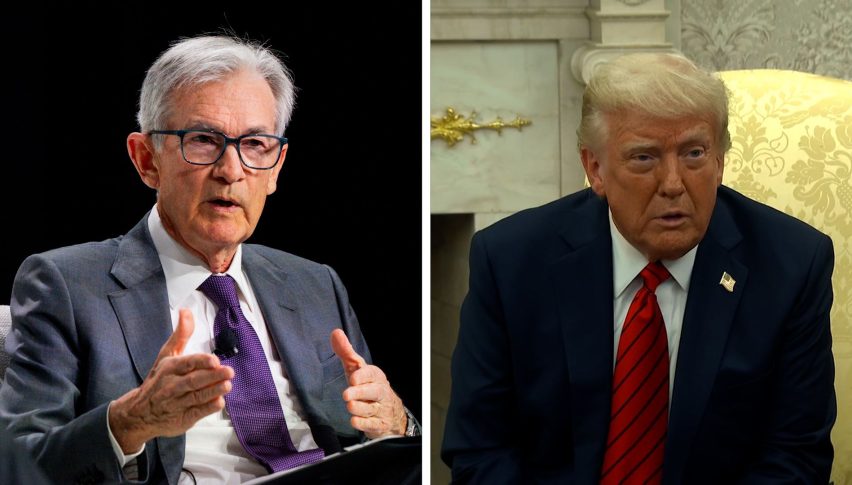
The next chair is expected to face a much tighter vote, given the Trump administration’s clear intent to exert influence over the Fed.
Quick overview
- The U.S. Federal Reserve is preparing for significant challenges in 2026, including the appointment of a new chair as Jerome Powell's term expires in May.
- President Trump is expected to nominate a successor, with Kevin Hassett as a leading candidate, but the confirmation process may face tighter scrutiny than previous nominations.
- The Fed's governance structure, involving a seven-member Board of Governors and regional reserve bank presidents, may complicate consensus on rate decisions amid political pressures.
- Uncertainties regarding the timing of Board seat vacancies could impact Trump's ability to influence the Fed's direction and policies.
Once interest-rate cuts are decided, the U.S. Federal Reserve will face a series of challenges next year.
The Federal Reserve is heading into a period that will severely test its independence and governance, amid mounting legal and political pressures. On Tuesday, December 9, the central bank begins a two-day meeting to decide on an interest-rate cut—one of the most closely watched issues of recent months.
That decision will set the stage for a turbulent 2026, marked by the arrival of a new Fed chair—appointed by U.S. President Donald Trump—and the reshaping of the institution’s leadership structure. Several unresolved issues are expected to amplify the divisions already visible throughout this year’s meeting schedule and policy debates.
The challenges the Fed will face in 2026
A new chair
Fed Chair Jerome Powell’s term expires in May, and attention is focused on the name Trump will put forward as his successor. At the top of the short list is Kevin Hassett, one of his key economic advisers, among others. The nomination process will conclude with Senate confirmation, likely in time for the new chair to preside over the Federal Open Market Committee’s June meeting. The Senate Banking Committee will hold a hearing to evaluate the nominee, followed by a full Senate vote.
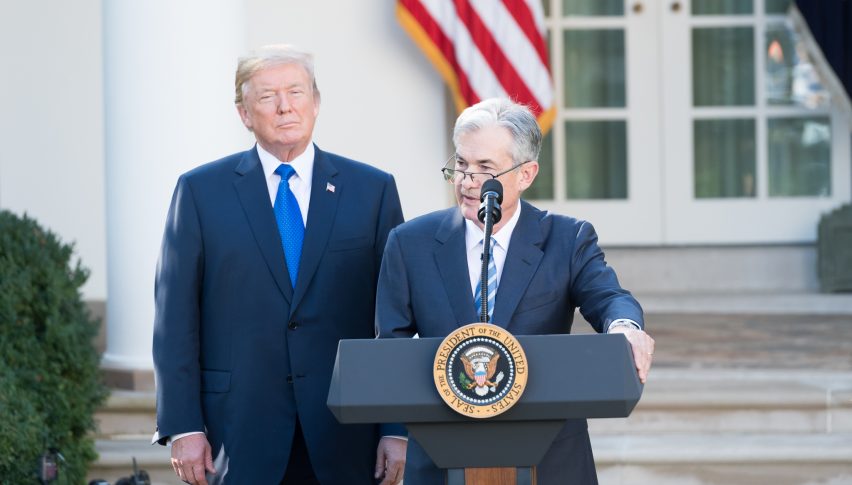
Powell enjoyed bipartisan support in both of his confirmation votes—an 84–13 approval when Trump promoted him in 2018, and an 80–19 vote in 2022 when he was reappointed by former President Joe Biden.
The next chair, however, is expected to face a much tighter vote, given the administration’s clear intent to exert influence over the Fed. Trump’s most recent nominee to the Fed Board of Governors, Stephen Miran, was confirmed by a razor-thin 48–47 margin, with four Republicans absent.
Power structure
The Fed’s structure is multilayered: a seven-member Board of Governors—appointed by the president and confirmed by the Senate—oversees the system; twelve regional reserve bank presidents manage their own staff and supervisory responsibilities; and the Federal Open Market Committee (FOMC) sets interest rates, consisting of the governors and five rotating reserve bank presidents.
Rate decisions have exposed rifts across these groups as differing views clash over the economic data. Midterm elections will determine which party controls Congress for the remainder of Trump’s term, and that control will shape how quickly—or slowly—the Fed can reach consensus, depending on lawmakers’ economic outlooks.
The Board wields influence far beyond rate policy: it can rewrite central bank communication rules, set budgets and staffing levels for regional banks, and shape how the largest financial institutions are regulated. But major changes require a Board majority, which may limit Trump’s ambitions—he will have appointed only three of the seven seats.
It is also unclear when the next Board seat will become available for the administration to fill. While Powell’s chairmanship ends in May, his Board term runs until 2028, the final full year of Trump’s presidency. If he follows precedent, Powell may step down from the Board in May, but he could choose to remain. The same uncertainty applies to current Vice Chair Philip Jefferson, whose vice chair term ends in September 2027 but whose Board seat—appointed by Biden—extends to 2036.
- Check out our free forex signals
- Follow the top economic events on FX Leaders economic calendar
- Trade better, discover more Forex Trading Strategies
- Open a FREE Trading Account
- Read our latest reviews on: Avatrade, Exness, HFM and XM

Related Articles

Sidebar rates

Related Posts
 Save
Save
