AI Trade Loses Steam as Investors Rotate Into Broader S&P 500 Stocks
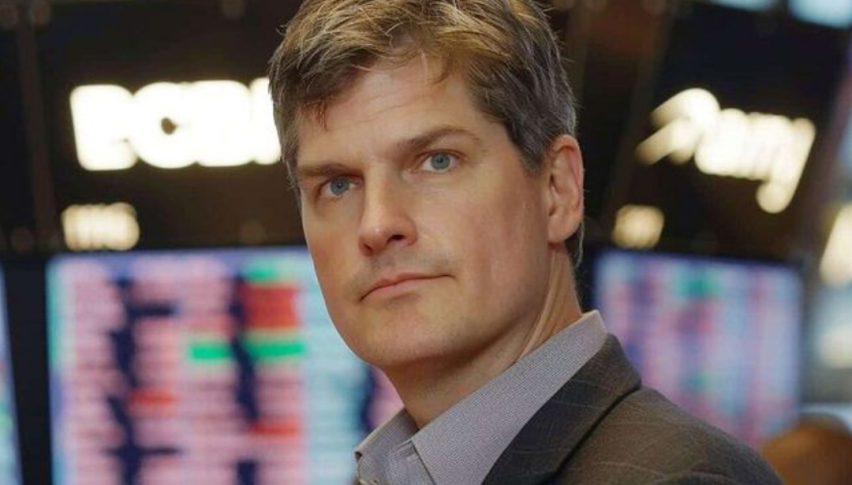
Michael Burry revealed bearish positions in Nvidia and Palantir, while several firms have begun to anticipate a slowdown in AI.
Quick overview
- Wall Street's leading portfolios have heavily invested in artificial intelligence, but signs of market fatigue are emerging.
- The Magnificent Seven tech stocks have seen a decline, while the broader S&P 500 has shown gains, indicating a shift in investor sentiment.
- Investment flows are favoring sectors with moderate valuations, such as banks and consumer discretionary stocks, as confidence improves.
- Warnings from Wall Street suggest potential volatility as the dominance of a few stocks wanes, with a shift towards more balanced market participation.
Over the past three years, Wall Street’s leading portfolios have aggressively bet on artificial intelligence. However, emerging signs of fatigue are beginning to shift market sentiment, and investors are increasingly looking beyond big tech.

The AI boom fueled a rally of nearly 78% in the sector’s leading stocks, led by the so-called Magnificent Seven — Apple, Microsoft, Amazon, Nvidia, Alphabet, Meta, and Tesla. But unmet promises of a profound economic transformation, combined with growing concerns about a potential bubble, are driving a rotation toward the rest of the S&P 500. Since late October, Bloomberg’s index tracking the seven tech giants has fallen 2%, while the remaining 493 stocks in the benchmark have risen 1.8%.
Warning Signs of the Market
This shift is evident in investment flows. The Defiance Large Cap Ex-Magnificent Seven ETF (XMAG), launched in late 2024, recorded six consecutive months of inflows and gained 15% last year, with most of the advance concentrated in the second half.
Against this backdrop, sectors with more moderate valuations are starting to gain traction. Banks are among the prime candidates to benefit, with names such as JPMorgan Chase and Bank of America standing out. Consumer discretionary stocks could also regain momentum if household confidence improves.
The changing leadership comes with risks. History shows that highly concentrated markets often experience bouts of volatility when dominance by a handful of stocks fades, as seen during the collapse of the Nifty Fifty in the 1970s or the dot-com bust in the early 2000s.
Warnings are also emerging from within Wall Street. Michael Burry revealed bearish positions in Nvidia and Palantir, while several firms have begun to anticipate a slowdown in the contribution of the Magnificent Seven to overall S&P 500 earnings growth. Goldman Sachs estimates they will account for 46% of earnings growth in 2026, down from 50% in 2025, while profits from the remaining S&P 493 companies are expected to accelerate to 9%.
That broader participation could attract value-focused investors, supported by wide valuation gaps and a more balanced macroeconomic outlook. Sectors such as healthcare, materials, consumer discretionary, and software are increasingly viewed as among the most attractive opportunities.
- Check out our free forex signals
- Follow the top economic events on FX Leaders economic calendar
- Trade better, discover more Forex Trading Strategies
- Open a FREE Trading Account
- Read our latest reviews on: Avatrade, Exness, HFM and XM