The EU Approved the Free Trade Agreement With Mercosur
The decision clears the way for European Commission President Ursula von der Leyen to sign the agreement with Mercosur countries.
Quick overview
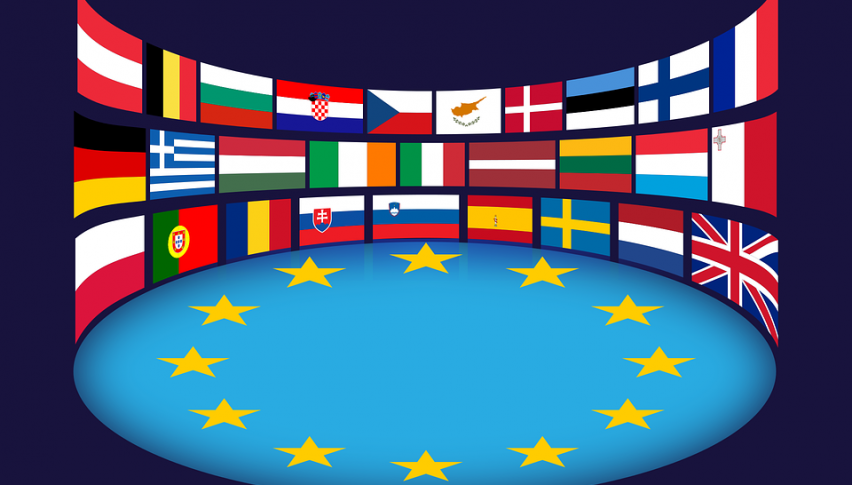
- The EU has provisionally approved a trade agreement with Mercosur, potentially creating the world's largest free trade area.
- France opposes the deal due to concerns about its negative impact on domestic farmers and has announced plans to vote against it.
- The agreement requires approval from the European Parliament, where some members have threatened legal action to block its implementation.
- The deal aims to reduce reliance on China and offset U.S. tariffs, following over 25 years of negotiations.
The deal aims to offset U.S. tariffs and reduce dependence on China. France opposes it due to concerns over its impact on domestic farmers. The pact must still be approved by the European Parliament.
The Council of the European Union (EU) has provisionally approved the trade agreement with Mercosur, clearing a major hurdle toward ratifying the preliminary deal reached by the European Commission with the South American bloc just over a year ago. If finalized, it would create the world’s largest free trade area, encompassing more than 720 million potential consumers.
EU member states largely backed the agreement on Friday, pending the formal conclusion of the procedure by the EU Council at 11:00 a.m. (Argentina time), according to several diplomatic sources cited by the international press.
A key factor behind the approval was a series of concessions made by European authorities to Italy, which had stalled the process weeks earlier. This move prevented the formation of a new blocking minority within the European Council, where approval requires at least four countries representing more than 35% of the bloc’s population.
The decision clears the way for European Commission President Ursula von der Leyen to sign the agreement with Mercosur countries—Argentina, Brazil, Paraguay, and Uruguay—this Monday in Asunción.
The European Parliament will also need to approve the treaty in the coming weeks before it can enter into force. However, fresh challenges loom, as around 150 Members of the European Parliament (out of 720) have threatened legal action to block the agreement’s implementation.
A 25-Year Negotiation
The agreement comes more than 25 years after negotiations began, following months of intense diplomacy to secure the backing of key member states.
The European Commission, which finalized talks a year ago with Germany and Spain as leading supporters, argues that the deal is a cornerstone of the EU’s strategy to open new markets, offset trade losses from U.S. tariffs, and reduce reliance on China by gaining access to critical minerals.
France Holds Firm in Its Opposition
Opponents, led by France—the EU’s largest agricultural producer—warn that the agreement will increase imports of low-cost food products such as beef, poultry, and sugar, harming local farmers.
French President Emmanuel Macron has already announced that France will vote against the EU–Mercosur free trade agreement, reflecting broad domestic political opposition and mounting pressure from the agricultural sector.
Macron made the announcement Thursday in a post on X, stressing that “signing the agreement does not mean the end of the process,” and reaffirmed that France will continue to demand full compliance by the European Commission with commitments made to protect French producers.
- Check out our free forex signals
- Follow the top economic events on FX Leaders economic calendar
- Trade better, discover more Forex Trading Strategies
- Open a FREE Trading Account
- Read our latest reviews on: Avatrade, Exness, HFM and XM


 Save
Save