Trump Backs Venezuela Staying in OPEC, but Doubts Benefits for the U.S.
The Trump administration said it would need to maintain control over Venezuela’s oil resources indefinitely.
Quick overview
- U.S. President Trump believes it may be better for Venezuela to remain in OPEC, but is uncertain about the implications for the U.S.
- Following U.S. military intervention and the capture of President Maduro, the Trump administration plans to maintain control over Venezuela's oil resources.
- There is potential for conflict between Venezuela and OPEC if the U.S. pushes for increased oil production while OPEC seeks to implement output cuts.
- OPEC members like Iraq, Nigeria, and Angola have expressed frustration with production limits that hinder their ability to maximize reserves.
Following U.S. intervention in the Latin American country, the president has yet to decide Venezuela’s future role in oil production.
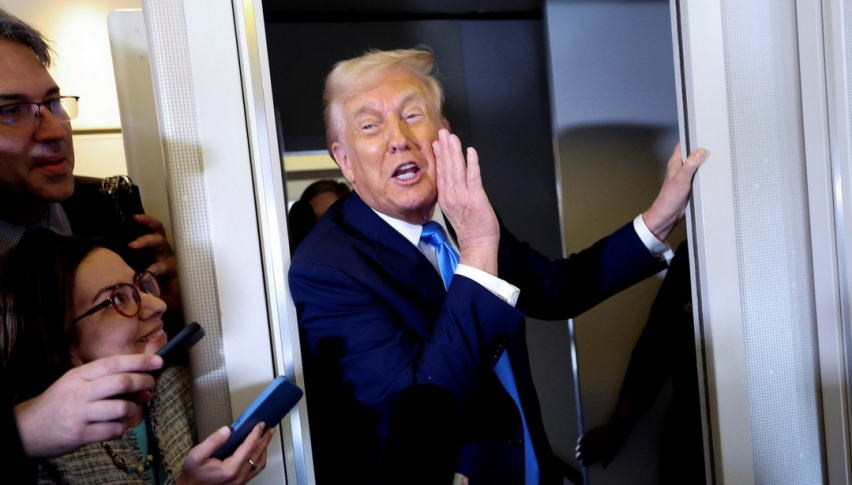
U.S. President Donald Trump said on Wednesday that he believes it would be better for Venezuela to remain within the Organization of the Petroleum Exporting Countries (OPEC), though he is unsure whether that would be beneficial for the United States.
“Well, I think it’s better for them if they do,” Trump told Reuters, adding: “I don’t know if it’s better for us… but they are members of OPEC and we haven’t discussed that with them at all.”
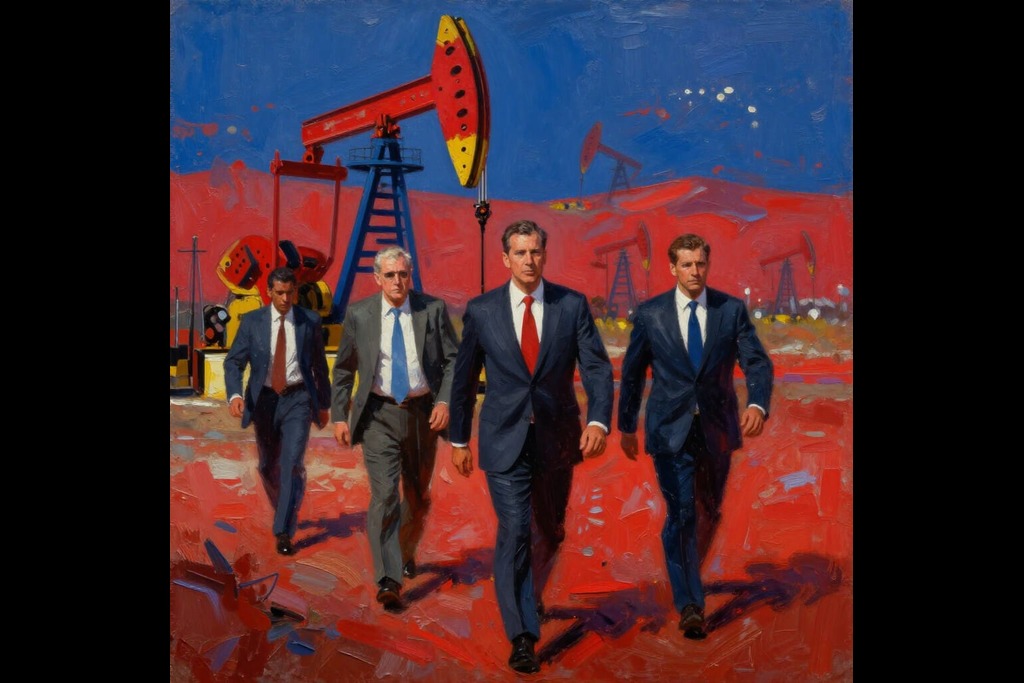
After the U.S. military intervention in Venezuela, which resulted in the capture of President Nicolás Maduro, the Trump administration said it would need to maintain control over Venezuela’s oil resources indefinitely as it seeks to rebuild the country’s oil industry and exert pressure on the government in Caracas.
When asked whether Venezuela would be expected to comply with OPEC production limits—given that its oil policy would now be influenced by Washington—Trump replied: “I don’t have to worry about that right now because, you know, I have nothing to do with OPEC.”
Why Venezuela could clash with OPEC
OPEC is a group of oil-producing countries that coordinate supply policies to stabilize global oil markets, cutting production when prices fall and increasing output when demand warrants it.
As a result, if Trump pushes to ramp up oil production while OPEC seeks to implement output cuts to support prices, Venezuela could find itself at odds with the group.
That said, several OPEC members that are eager to expand oil production—such as Iraq, Nigeria, and Angola—have frequently complained that the quota system, which sets production caps to stabilize global prices, limits their ability to fully exploit reserves or meet domestic fiscal needs.
While decisions are made collectively, Saudi Arabia—the world’s largest oil exporter—is widely regarded as OPEC’s de facto leader due to its dominant production capacity and its ability to raise or cut supply.
- Check out our free forex signals
- Follow the top economic events on FX Leaders economic calendar
- Trade better, discover more Forex Trading Strategies
- Open a FREE Trading Account
- Read our latest reviews on: Avatrade, Exness, HFM and XM

Related Articles

 Save
Save