Stock Market Performing Strongly but Tariffs Have Rarely Been Higher
Stocks are slightly up for Wednesday after sharp losses from Tuesday as President Trump continues his trade war with Europe.

Quick overview
- Major U.S. stock indices have experienced double-digit growth over the past year, but this does not fully reflect the economic situation.
- Consumers are facing high inflation and tariffs, with Goldman Sachs reporting that they bear 82% of the tariff costs.
- The Nasdaq Composite fell 2.3% on Tuesday, while the S&P 500 and Dow Jones also saw declines due to fears over tariffs and trade wars.
- Despite a slight recovery on Wednesday, further declines are expected as the trade war continues to create uncertainty in the market.
The major U.S. stock indices have seen double digit growth since the same time last year, but they do not tell the whole story about how the economy is doing.
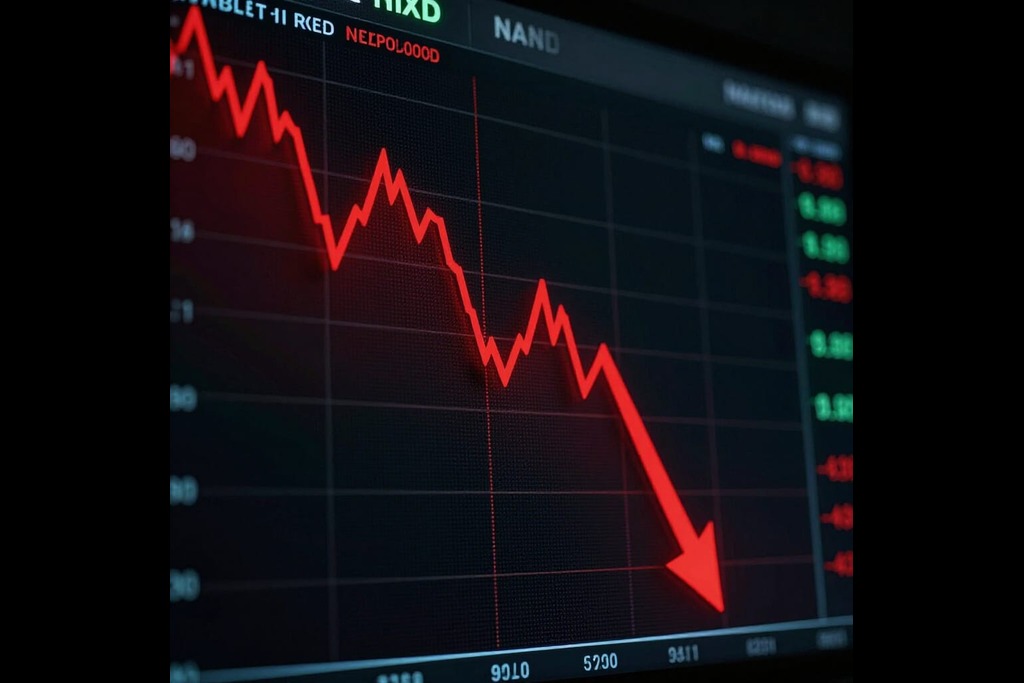
Consumers are rightly worried about inflation and high tariffs, especially since tariffs have not been this high since the 1930s. Goldman Sachs says that U.S. consumers are paying the lion’s share of the tariff costs- about 82%.
The Nasdaq Composite index fell 2.3% on Tuesday but still remains close to its record high. The S&P 500 dropped 2.06%, and the Dow Jones fell 1.76% as stocks trended lower yesterday due to rising fear over tariffs and the trade war that President Donald Trump is waging against European partners.
The stock market has been slipping since Friday when Trump announced he would be levying tariffs against eight European nations until Denmark decides to sell Greenland to the United States. Investors have pulled back in fear of a lengthy trade war that may cause serious volatility and extended bear trends.
Stocks Tick Upward on Wednesday
After days of steep selloffs, the stock market is starting to recover. On Wednesday morning, the market showed signs of returning gains. The Nasdaq and S&P 500 indices both added 0.2% to their totals while the Dow Jones remained flat.
Tuesday saw significant drops for a number of key stocks, including Tesla (TSLA), which fell over 4%, and Nvidia (NVDA), which lost 4.3%. Extensive panic selling yesterday created one of the sharpest declines for the market in weeks, biting into decent January gains and that late 2025 rally.
The market appears to be stabilizing slightly and correcting for the dramatic decline from the previous day, but investors should expect further decline as the week progresses. There is not likely to be a quick and easy solution to the current trade war, and Denmark is not likely to give in easily to Trump’s demands.
Reports on the U.S. economy for 2025 continue to come in, showing that the total number of jobs declined for the year while the GDP (gross domestic product) grew less than it did the year before. At the same time, the stock indices showed significant growth, with the S&P 500 up 14% overall for 2025. We anticipate that many of those gains will disappear over the next two weeks unless something changes in the current political climate.
- Check out our free forex signals
- Follow the top economic events on FX Leaders economic calendar
- Trade better, discover more Forex Trading Strategies
- Open a FREE Trading Account
- Read our latest reviews on: Avatrade, Exness, HFM and XM

Related Articles

Sidebar rates

Related Posts
 Save
Save
