U.S. Control Over Oil Adds Risk to Venezuela’s Debt with China
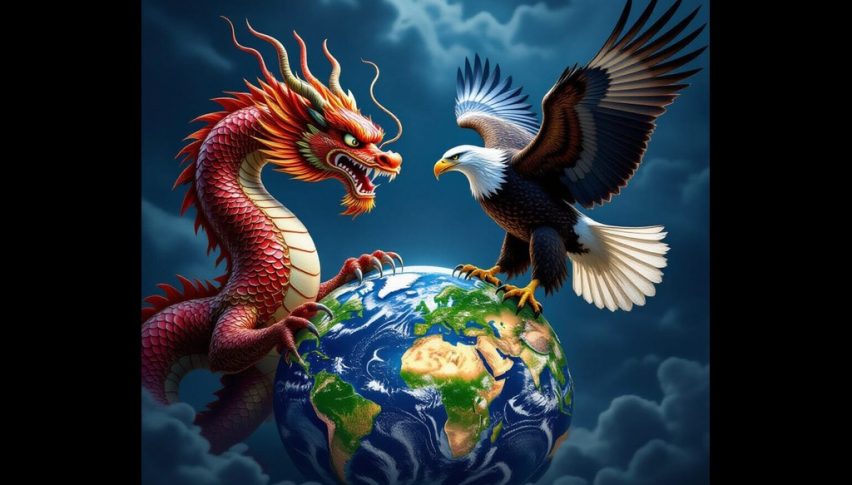
If Washington pressures China to accept haircuts on its claims and Beijing refuses, the standoff could slow a broader debt restructuring.
Quick overview
- Venezuela has been repaying its debt to China with crude oil under a 2019 agreement, but U.S. actions are complicating this arrangement.
- The U.S. has seized Venezuelan oil shipments intended for debt servicing, increasing tensions between Washington and Beijing.
- Venezuela's external debt is approximately $150 billion, with a significant portion owed to China, complicating its economic recovery.
- China has condemned the U.S. redirection of Venezuelan oil sales, asserting the need to protect its interests in the region.
Caracas had been repaying China with crude oil under a 2019 agreement reached after Venezuela fell into default. The United States is now placing obstacles in the way of that arrangement going forward.
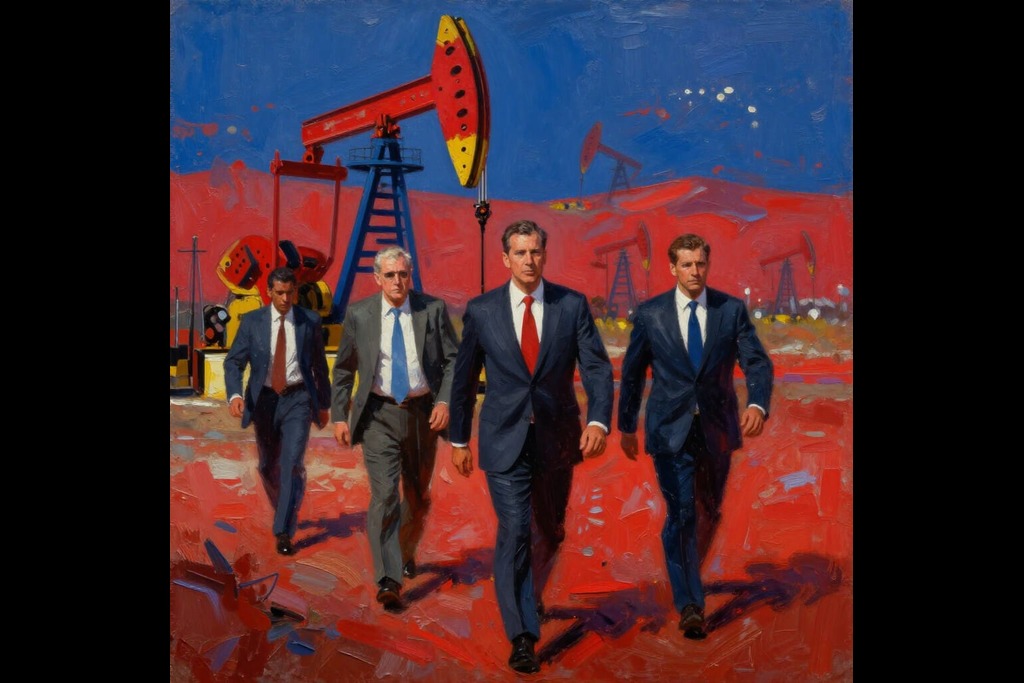
U.S. control over Venezuela’s oil has reached a new level of complexity after Washington seized shipments that had been used to service debt owed to China, a move that could trigger another point of friction between the two global powers.
At the center of the dispute is Venezuela’s staggering debt burden: roughly $150 billion in external liabilities, about one-tenth of which corresponds to loans from China. The OPEC member had been repaying those loans through oil shipments.
That arrangement had largely held until the United States captured Venezuelan President Nicolás Maduro earlier this month. While Washington’s leverage formally extends only to oil, crude exports remain Venezuela’s main source of revenue. The country has been struggling with a default dating back to 2017, when roughly $60 billion in Venezuelan bonds fell into arrears.
Documents and sources from state oil company PDVSA show that three supertankers have been shuttling between Venezuela and China over the past five years, transporting crude in exchange for interest payments under the terms of a temporary agreement reached in 2019.
In addition, part of the cash generated from oil shipments to China was routed through a Beijing-controlled account before being used for debt servicing, even as sanctions and default prevented payments to many of Venezuela’s other creditors.
U.S. Emerges as an Obstacle to Venezuela–China Rapprochement
The Donald Trump administration has said that proceeds from Venezuelan oil sales will be redirected to a Qatar-based account controlled by Washington. This would give the U.S. president direct influence over which creditors are paid and when.
Beijing condemned the redirection of Venezuelan oil exports during a press conference on January 7, stating that “the legitimate rights and interests of China and other countries in Venezuela must be protected.”
A U.S. official, for their part, said the Trump administration is allowing China to purchase Venezuelan oil, but not at the “unfair and heavily discounted” prices at which Caracas previously sold its crude.
If Washington pressures China to accept steep haircuts on its claims and Beijing refuses, the standoff could slow a broader debt restructuring and hinder Venezuela’s economic recovery. In this context, and with a government that is effectively headless, Venezuela finds itself caught between a rock and a hard place.
While the United States currently holds a dominant position, China remains the largest bilateral lender to the developing world, and its cooperation with the Paris Club was critical over the past decade. Beijing’s obvious leverage lies in refusing to cooperate in future sovereign debt renegotiations under the Common Framework until it believes it has been treated fairly in Venezuela—a threat that would carry real weight.
- Check out our free forex signals
- Follow the top economic events on FX Leaders economic calendar
- Trade better, discover more Forex Trading Strategies
- Open a FREE Trading Account
- Read our latest reviews on: Avatrade, Exness, HFM and XM

Related Articles
Sidebar rates

Related Posts
 Save
Save
