U.S. Jobs Data Beats Expectations and Shifts Outlook for Rate Cuts
This increase in job creation pushed the unemployment rate down from 4.4% to 4.3%, even as the labor force participation rate rose.
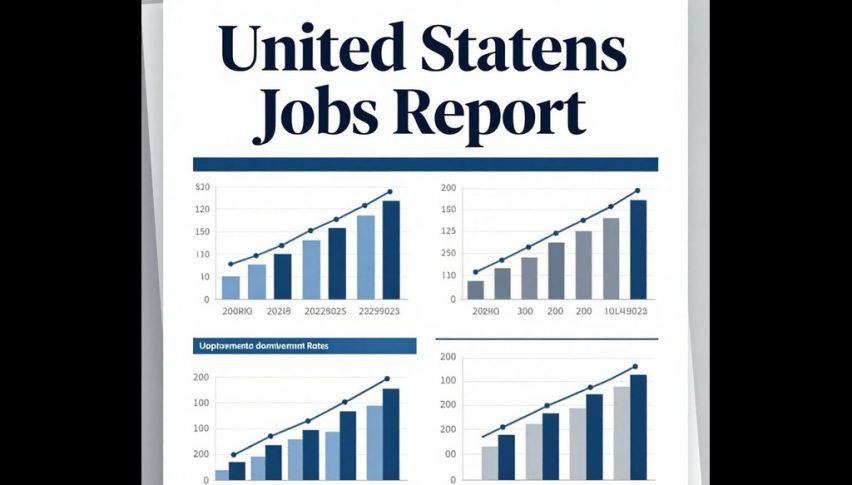
Quick overview
- Job creation in January 2026 rose by 130,000 positions, doubling analysts' estimates of 65,000.
- The unemployment rate decreased from 4.4% to 4.3%, indicating a strong labor market.
- Private sector job growth significantly outperformed expectations, adding 172,000 jobs compared to the anticipated 68,000.
- Market expectations for Federal Reserve rate cuts have been pushed further out, with the next potential cut now anticipated in July.
Job creation doubled analysts’ estimates, effectively ruling out any changes in monetary policy during the first months of the year.

The U.S. labor market started 2026 stronger than expected, with January employment growth coming in well above Wall Street forecasts. The unemployment rate also declined, reinforcing market expectations that the Federal Reserve (Fed) will not deliver new rate cuts at least until Kevin Warsh takes office.
Job creation rose by 130,000 positions in the first month of the year, double the 65,000 expected by private forecasts. December figures were slightly revised down to 48,000 from 50,000. The surprise in employment growth came from the private sector, which generated 172,000 jobs in January, far above the 68,000 expected and the 64,000 recorded in December.
Breaking down job growth by sector, analysts at the Schwab Center for Financial Research highlighted that the largest gains were seen in healthcare and social assistance, “continuing a trend in which employment growth in the services sector outpaces that of goods production.” They also noted that “federal government employment fell sharply, as did employment in financial activities.” Other sectors showed limited changes, “although manufacturing rebounded slightly for the first time since November 2024.”
This increase in job creation pushed the unemployment rate down from 4.4% to 4.3%, even as the labor force participation rate rose from 62.4% to 62.5%, reinforcing the perception of a resilient labor market.
Rate cuts pushed further out
“The market is now aggressively pricing out the possibility of rate cuts this year after the jobs report,” said Kevin Gordon, Director of Macroeconomic Research and Strategy at the Schwab Center.
“The Fed appears to be right in saying that some stabilization has occurred in the unemployment rate. The three-month average of nonfarm payroll growth rose to 73,000 in January, the highest level since February 2025,” he added.
Markets are now pricing in the next 25-basis-point rate cut by the Fed for July, compared with June expectations prior to the report. Attention now shifts to Friday’s January inflation report, which is expected to show 2.5% year-on-year inflation and 0.3% month-on-month growth.
- Check out our free forex signals
- Follow the top economic events on FX Leaders economic calendar
- Trade better, discover more Forex Trading Strategies
- Open a FREE Trading Account
- Read our latest reviews on: Avatrade, Exness, HFM and XM