Gold and Silver Pull Back as Oil Rebounds amid Tight Global Liquidity
Meanwhile, copper declines 0.53% to $5.70, platinum falls 1.86% to $2,038.25, and palladium stands out as the exception.
Quick overview
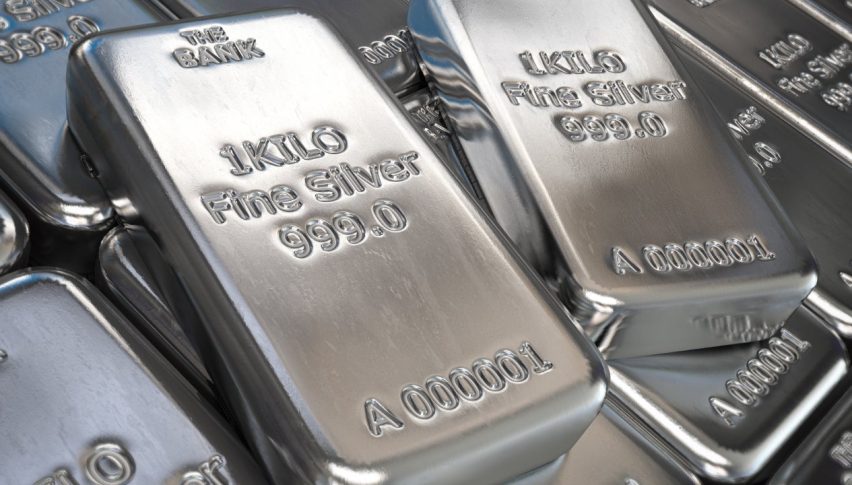
- Gold and silver prices have declined after recent highs due to investors unwinding leveraged positions.
- In contrast, oil prices are rebounding amid rising geopolitical tensions, particularly between the U.S. and Iran.
- Gold futures are down nearly 1% while silver has fallen 2.7%, with other metals like copper and platinum also experiencing declines.
- OPEC is speculated to resume oil production increases in April to meet peak seasonal demand, despite a lowered global oil demand growth forecast.
Gold and silver have come off recent highs after weeks of elevated volatility, as some investors were forced to unwind leveraged positions.
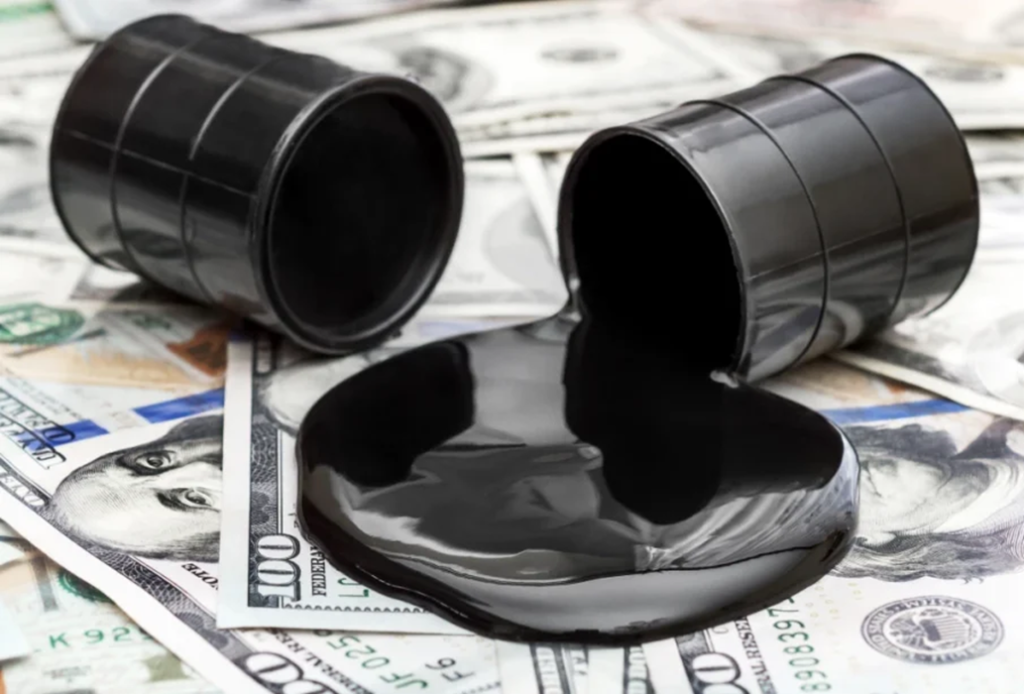
In contrast, hydrocarbons are moving higher, with oil rebounding on renewed geopolitical tensions.
On a session marked by low global liquidity—driven by the absence of Wall Street trading and closures across several Asian markets—precious metals are undergoing sharp corrections. Gold and silver are leading the declines, while oil is moving in the opposite direction, supported by rising geopolitical tensions between the United States and Iran.
Gold futures are down nearly 1%, trading at $4,997 per ounce, after dramatic swings in recent weeks as leveraged investors were forced to liquidate positions. Silver is falling even more sharply, down 2.7% to $75.85 per ounce.
Meanwhile, copper declines 0.53% to $5.70, platinum falls 1.86% to $2,038.25, and palladium stands out as the exception, rising 2.78% to $1,750.75.
Geopolitical Tensions and OPEC Production
In the oil market, Brent crude is up 0.83% to $63.23 per barrel, while U.S. crude rises 0.88% to $63.31 per barrel.
One of the key drivers behind the price increase is growing speculation that OPEC is leaning toward resuming oil production increases starting in April, as the group prepares for peak seasonal demand. Price momentum is further reinforced by rising geopolitical tensions between the United States and Iran.
According to Reuters, the production restart would allow Saudi Arabia, OPEC’s leader, and other members such as the United Arab Emirates, to regain market share at a time when other OPEC+ members—such as Russia and Iran—are facing Western sanctions, while output in Kazakhstan is constrained by a series of operational disruptions.
In this context, the International Energy Agency lowered its forecast for global oil demand growth this year to 850,000 barrels per day, although this still exceeds last year’s growth of 770,000 barrels per day.
- Check out our free forex signals
- Follow the top economic events on FX Leaders economic calendar
- Trade better, discover more Forex Trading Strategies
- Open a FREE Trading Account
- Read our latest reviews on: Avatrade, Exness, HFM and XM