Donald Trump Faces More than 2,000 Lawsuits After U.S. Supreme Court Setback
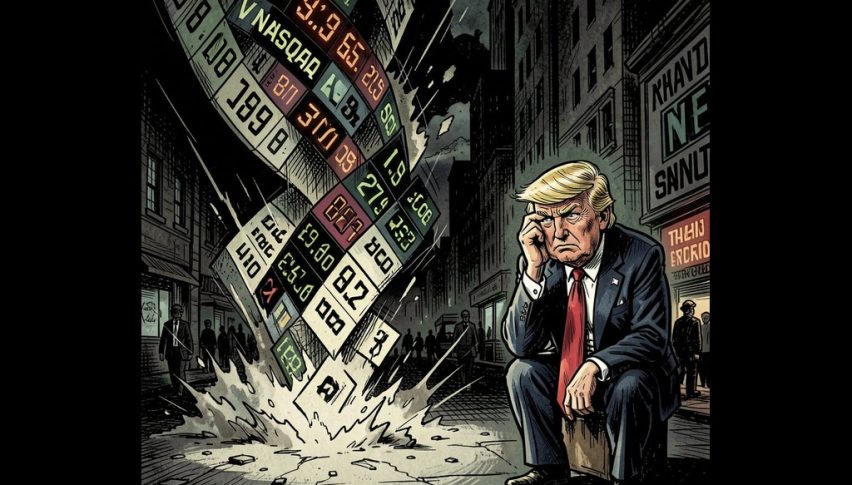
The judicial defeat of Trump at the Supreme Court of the United States over the imposition of global tariffs has opened a new legal front.
Quick overview
- The U.S. Supreme Court's ruling against global tariffs has led to over 2,000 lawsuits from companies seeking refunds.
- Major corporations, including FedEx and Dyson, are involved in the legal actions to recover part of the $170 billion collected in tariffs.
- The Supreme Court's decision left the reimbursement process undefined, leading to uncertainty about how and when refunds will be issued.
- The involvement of large companies may encourage more importers to join the lawsuits, reducing fears of retaliation.
The U.S. Supreme Court’s decision to strike down global tariffs has triggered a wave of more than 2,000 lawsuits against the U.S. government.
Major corporations are seeking the վերադարձ of billions of dollars, as uncertainty grows over how — and when — refunds will be issued.
The judicial defeat of Donald Trump at the Supreme Court of the United States over the imposition of global tariffs has opened a new legal front for Washington. More than 2,000 lawsuits have already been filed by companies seeking to recover tariff payments made over recent months.
According to a survey by Bloomberg, in the days following the February 20 ruling, over 100 companies launched new legal actions, pushing the total number of cases linked to the annulled tariffs sharply higher.
Among the firms joining the legal offensive are major names such as FedEx, Dyson, Dollar General, and Bausch & Lomb, as well as subsidiaries of L’Oréal, On Holding, and Skechers.
Together, companies are seeking reimbursement of part of the more than $170 billion collected by the U.S. government in tariffs over the past ten months.
Refunds clouded by uncertainty
While the Supreme Court ruled most of Trump’s global tariffs illegal, it declined to define the mechanism for reimbursing funds already collected. That decision was left to the U.S. Court of International Trade, based in New York.
Trump himself suggested the process could be lengthy. “I suppose it will have to be litigated,” he said after the ruling, signaling that the dispute could drag on for years.
The U.S. Department of Justice must now determine the next steps in the original case, which could provide signals as to whether the government intends to accelerate or delay refunds.
Major corporations join the legal push
The entry of large corporations has added political and financial weight to the process. In a statement, FedEx confirmed it had initiated legal action to “protect the company’s rights as the importer of record,” adding that if refunds are granted, the funds will be passed on to customers and shippers who ultimately bore the tariff costs.
While many large corporations were able to reorganize supply chains or absorb part of the tariff impact, small and medium-sized companies faced far greater difficulties — helping explain the high number of smaller firms among the plaintiffs.
International trade experts noted that the participation of giants like FedEx reduces the “fear of retaliation” and could encourage even more importers to join the lawsuits.
- Check out our free forex signals
- Follow the top economic events on FX Leaders economic calendar
- Trade better, discover more Forex Trading Strategies
- Open a FREE Trading Account
- Read our latest reviews on: Avatrade, Exness, HFM and XM