Natural Gas Futures above $3 Once More, Could Climb Much Higher
Gas prices are rising in the United States as fighting starts in the Middle East over the death of the Iran Ayatollah.
Quick overview
- Natural gas prices surged above $3 due to escalating conflict in the Middle East, particularly following the assassination of the Iran Ayatollah.
- Concerns over global gas supply disruptions have led to increased interest in gas futures, with prices settling around $2.95 after the initial spike.
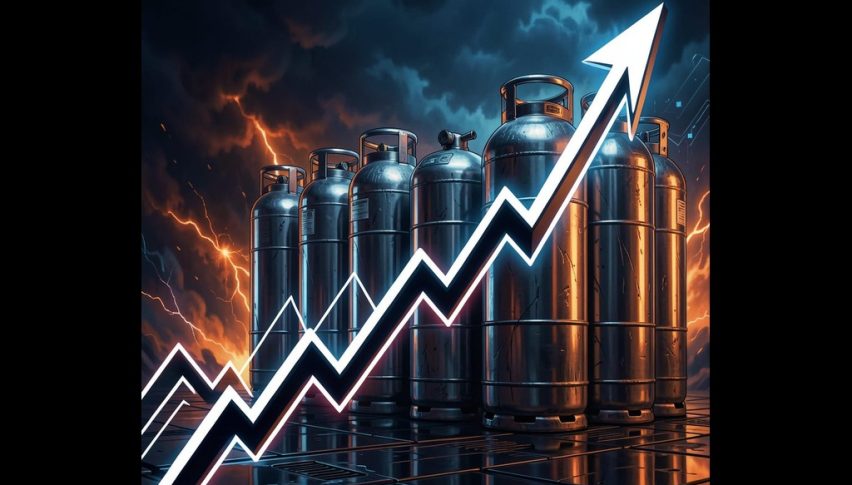
- Rising tensions in the region typically result in higher gas prices, and fears of limited reserves may drive prices up further if the conflict persists.
- The ongoing conflict could shift demand towards U.S. LNG exports as countries seek more reliable sources of gas.
The price of natural gas briefly surged above $3 on Monday and rose by more than 3% after war broke out between Iran and the combined forces of Israel and the United States.

The assassination of the Iran Ayatollah on Saturday sparked renewed interest in gas futures and concerns that the global supply may be in jeopardy. Gas futures in the United States rose on Monday past $3 per MMBtu but then settled around $2.95.
Investors should anticipate rising gas prices over the coming weeks if the conflict continues. President Donald Trump has developed a track record during his second term of ending conflicts quickly and soundly, but that may be less likely in the case of a fight that has pulled in Israel and involves the Iran military, which is the largest armed force in the Middle East.
Why Gas Prices May Become Elevated
Rising tensions in the Middle East always leads to higher gas prices, and whether the gas supply there is in danger or not, fears about limited reserves will creep into the marketplace. A minor rally has already happened over the last few days with the beginning of conflict, and if some kind of solution is not reached quickly, prices are likely to escalate.
LNG production was stopped in Qatar at the Ras Laffan complex, and there could be limited tanker movement in the region as a result of the fighting. The Strait of Hormuz is a massive shipping lane for LNG gas, accounting for about 20% of the traffic for that market, and many gas shipments have already been rerouted from there in anticipation of attacks.
Natural gas supplies are about 0.3% below the average for the last five years, and although production is expected to increase throughout 2026, an extended conflict in the Middle East could drastically slow down both production and distribution. Even if U.S. LNG production levels increase over the coming weeks, the price of natural gas may still escalate as investors fear a dwindling worldwide supply.
The eastern conflict could also help increase the export market for the United States, with countries drawing from U.S. gas rather than Middle Eastern gas for the sake of reliability and safety. The market could be entering a bull phase that rivals what it experienced in late January with freezing winter storms.
- Check out our free forex signals
- Follow the top economic events on FX Leaders economic calendar
- Trade better, discover more Forex Trading Strategies
- Open a FREE Trading Account
- Read our latest reviews on: Avatrade, Exness, HFM and XM




 Save
Save