The European Union Moves to Reduce its Dependence on Chinese Manufacturing
At the center of the debate is the proposed Industrial Acceleration Act, which would introduce "Made in Europe" requirements.

Quick overview
- The Industrial Acceleration Act (IAA) aims to enhance the competitiveness of the EU's manufacturing sector while promoting decarbonization and reducing reliance on Chinese imports.
- Key features include low-carbon and 'Made in Europe' requirements for public procurement and subsidies in sectors like aluminum, cement, and electric vehicles.
- Supporters advocate for local content rules to bridge an investment gap, while critics warn of potential alienation of trading partners.
- The proposal has faced delays and revisions, including a significant reduction in the required share of low-carbon steel production eligible for subsidies.
Although the Industrial Acceleration Act (IAA) has yet to be formally unveiled, several key elements of the European initiative have already emerged.
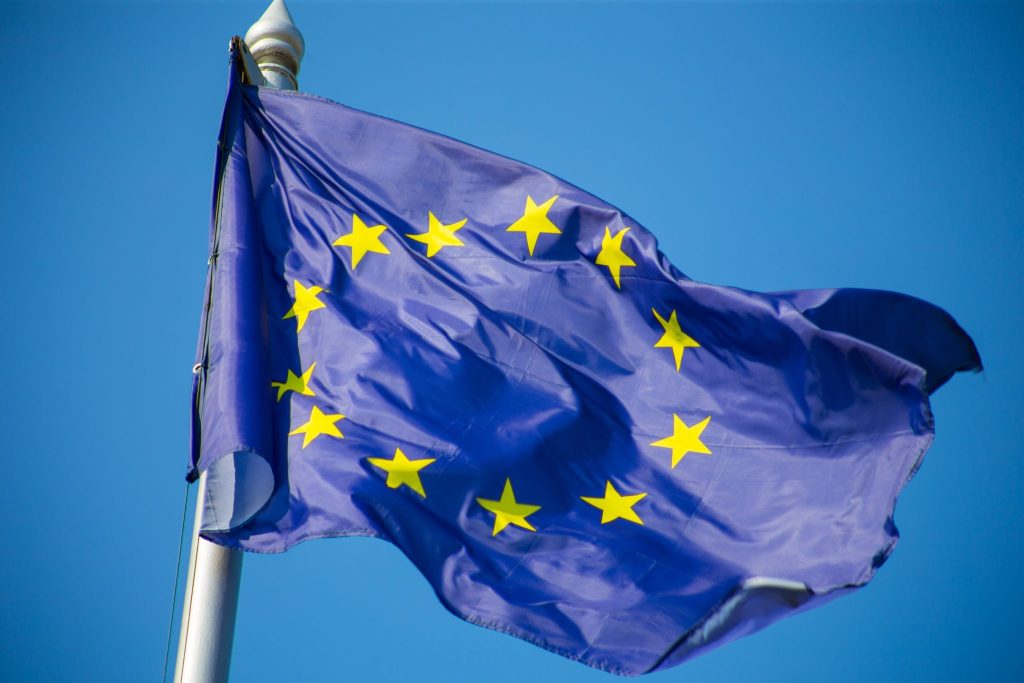
As part of its broader push to decarbonize the economy and reduce dependence on low-cost Chinese imports, the European Commission is set to outline its roadmap to strengthen the competitiveness of the European Union’s manufacturing sector.
At the center of the debate is the proposed Industrial Acceleration Act, which would introduce low-carbon and “Made in Europe” requirements for public procurement and manufacturing subsidies covering sectors such as aluminum, cement, steel, and technologies including wind turbines and electric vehicles, according to Reuters.
The initiative aims to ensure that by 2035, manufacturing accounts for 20% of the EU’s economic output, up from the current 14%. The European Parliament and EU member states will negotiate the final version of the bill once it is formally presented by the Commission, and further amendments are expected.
Support and criticism
Supporters argue that the EU needs local content rules similar to those adopted by competitors such as the United States, China, Brazil and India in order to address a significant investment gap. Bas Eickhout, co-chair of the European Green Party, said the bloc must offer “an alternative to Trump’s agenda,” which he described as favoring a fossil fuel–based economy.
Critics, however, warn that the legislation could alienate key trading partners.
One contentious issue is how broadly the “Made in Europe” label would be defined. France has suggested limiting it to the EU’s 27 member states and single-market countries such as Norway, Iceland and Liechtenstein. Other EU countries favor a broader scope, potentially including the United Kingdom.
Draft proposals would reportedly cover the 21 mostly developed countries with which the EU has public procurement commitments. The legislation would also seek to guarantee meaningful participation by EU companies in foreign investment projects.
The Commission has already delayed the proposal several times due to internal disagreements, and additional changes were reportedly introduced this week.
“We are very disappointed because the level of demand we expected is far from significant,” said Laurent Donceel, director of industry association Hydrogen Europe, referring to the scaled-back provisions. Among the revisions is a reduction in the required share of low-carbon steel production eligible for subsidies, lowered to 25% from the initial 70% target.
- Check out our free forex signals
- Follow the top economic events on FX Leaders economic calendar
- Trade better, discover more Forex Trading Strategies
- Open a FREE Trading Account
- Read our latest reviews on: Avatrade, Exness, HFM and XM