$100 Oil on the Horizon: Growing Chorus of Traders Warns of Prolonged Iran Disruption
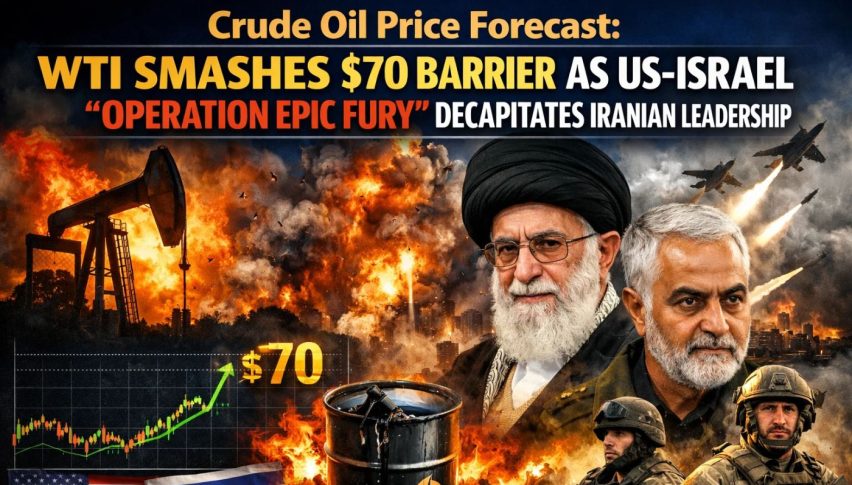
Energy executives and traders are cautioning that the world is getting closer to a tipping point, with some predicting $100 crude within days,
Quick overview
- Energy executives warn that the world is nearing a tipping point, with predictions of crude oil prices reaching $100 within days.
- The number of empty oil supertankers is decreasing, and ship traffic through the Strait of Hormuz has nearly stopped, indicating a need for production cuts.
- Physical energy markets are under strain, with rising costs for jet fuel and diesel due to refinery cuts in Asia and the Middle East.
- US President Trump has announced naval escorts for oil tankers in the Gulf, but the market remains cautious about the ongoing conflict's impact on oil prices.
Energy executives and traders are cautioning that the world is getting closer to a tipping point, with some predicting $100 crude within days, even though oil prices are still far below levels seen in past crises.
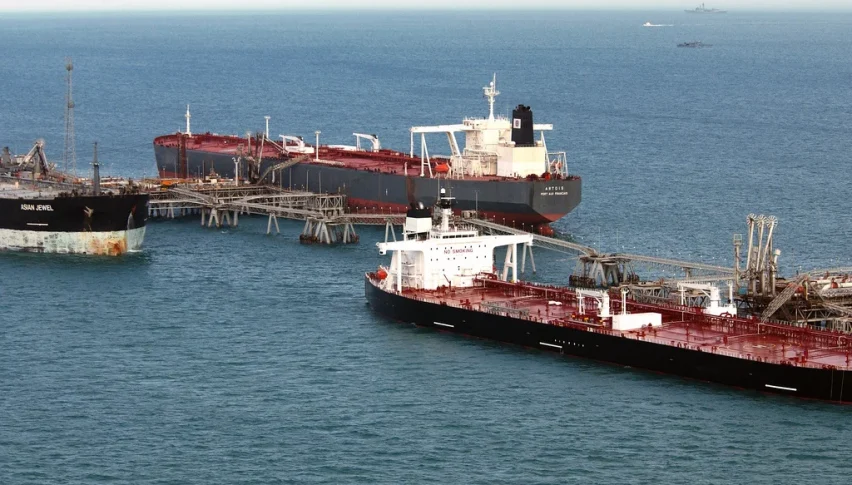
The number of empty oil supertankers in the Gulf is decreasing, and ship traffic through the Strait of Hormuz has virtually stopped, accelerating the need to reduce further production. Physical energy markets are already showing signs of strain, with production cuts at refineries in Asia and the Middle East driving up the cost of goods like jet fuel and diesel. Oil prices are still much lower than they were during earlier crises, a week into one of the largest disruptions to the world’s energy markets.
However, a growing number of energy executives and traders are cautioning that the world is getting closer to a tipping point every day that the war continues; some have predicted that crude will reach $100 in a matter of days. Ship traffic through the Strait of Hormuz has all but halted
Even though the price of gas and oil has increased this week, it is still far lower than it was shortly after Russia invaded Ukraine.
Brent crude prices surged above $90 per barrel on Friday, extending their gain to more than a quarter this week, and there were indications that some of the initial calm in the oil market was beginning to fade. However, executives at four major trading houses, who wished to remain anonymous, stated that the market was still too complacent about the potential consequences of a protracted closure of the Strait of Hormuz and that, absent a de-escalation of hostilities, prices could reach $100 in few days. Physical energy markets are already showing signs of stress, as the price of goods like diesel and jet fuel has skyrocketed due to cuts at refineries in the Middle East and Asia
. According to former White House official Bob McNally, president of consulting firm Rapidan Energy Group, the market is still getting used to the potential duration of Hormuz’s closure. Brent is expected to reach $100 per barrel and higher in the future.
US President Donald Trump, who has defended his ability to control fuel prices, finds it difficult to deal with rising costs.
The cost of gasoline has never been higher than it has been during his presidency. This week, the White House has made multiple unsuccessful attempts to calm the oil markets. When the flow of energy from the Gulf region might resume is a crucial question for oil and gas traders. Storage tanks fill up every day that oil doesn’t pass through Hormuz, forcing producers to reduce output. This week, Qatar ceased producing LNG, and Iraq started cutting back. Undoubtedly, the market’s destiny is contingent upon the course of the conflict, and any end to hostilities or indication of Hormuz’s unblocking would cause oil prices to plummet once more.
Trump announced on Tuesday that the US would offer naval escorts and insurance guarantees to guarantee the safety of oil tankers and other vessels traveling through Hormuz. The announcement was made on the last day of the reporting period for positioning data collected by the Commodity Futures Trading Commission and ICE Futures Europe, which revealed that investors reduced their long-only wagers on WTI and Brent to begin the week.
The muted bullish reaction was a reflection of traders’ belief that the conflict would be a contained, surgical operation, which led to a sharp price spike followed by a quick retreat, as well as their unwavering belief that the Trump administration would intervene with a last-minute policy change to lower energy prices.
- Check out our free forex signals
- Follow the top economic events on FX Leaders economic calendar
- Trade better, discover more Forex Trading Strategies
- Open a FREE Trading Account
- Read our latest reviews on: Avatrade, Exness, HFM and XM


 Save
Save