The IMF Urged Governments to “Prepare for the Unthinkable”
“As a rule of thumb, every 10% increase in oil prices — if sustained for most of the year — can add roughly 40 basis points to inflation."
Quick overview
- The IMF has warned of increasing risks to the global economy due to the escalating conflict in the Middle East.
- Managing Director Kristalina Georgieva advised policymakers to prepare for extreme scenarios and think of the unthinkable.
- The IMF is analyzing the economic impact of the conflict, particularly on the energy market, which could lead to higher inflation and reduced GDP growth.
- Georgieva emphasized the need for governments to strengthen economic institutions and maintain policy flexibility to respond to external shocks.
The International Monetary Fund (IMF) warned about growing risks to the global economy following the escalation of the conflict in the Middle East and urged governments to prepare for extreme scenarios as international uncertainty rises.
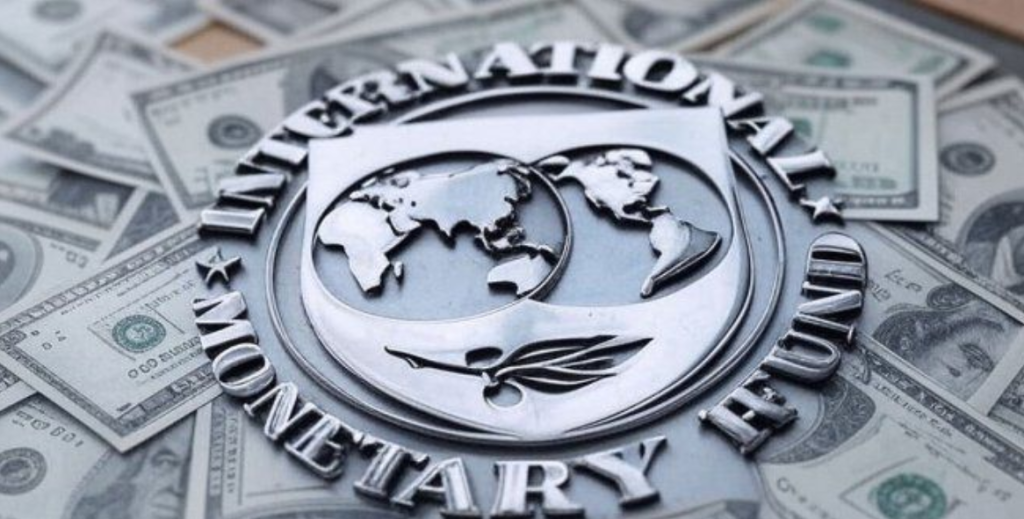
Speaking at a conference in Tokyo, IMF Managing Director Kristalina Georgieva said the new global environment is once again testing the resilience of economies and requires policymakers to respond more decisively.
“My advice to policymakers around the world in this new global environment is to think of the unthinkable and prepare for it,” the Bulgarian economist said.
According to Georgieva, the IMF is currently gathering data to assess the economic impact of the Middle East conflict. The analysis will be presented in greater detail in the next edition of the World Economic Outlook (WEO), scheduled for release in mid-April.
Georgieva emphasized that the main transmission channel from the conflict to the global economy is the energy market. Historically, sharp increases in oil prices have had direct effects on both inflation and economic growth.
“As a rule of thumb, every 10% increase in oil prices — if sustained for most of the year — can add roughly 40 basis points to global inflation,” she explained.
At the same time, higher energy costs could reduce global GDP growth by between 0.1% and 0.2%, increasing the risk of a scenario combining slower economic activity with rising inflation.
Georgieva’s recommendations to governments
Against this backdrop, Georgieva urged governments to focus on the variables they can control. Among her recommendations were strengthening economic institutions, maintaining solid policy frameworks, and preserving fiscal and monetary policy space in order to respond effectively to external shocks.
She also stressed the importance of encouraging private sector–driven growth and reacting quickly to shifts in the international environment.
“We must be agile,” Georgieva said, warning that the global landscape has become more uncertain and volatile since the outbreak of the conflict in the region.
- Check out our free forex signals
- Follow the top economic events on FX Leaders economic calendar
- Trade better, discover more Forex Trading Strategies
- Open a FREE Trading Account
- Read our latest reviews on: Avatrade, Exness, HFM and XM

Related Articles

 Save
Save