Gold Surges Past $5,200 as Oil Eases on Emergency Stockpile Release Plan
Gold rose following news that the International Energy Agency planned the biggest-ever release of oil reserves to mitigate a supply shock triggered by the Middle East conflict.

Quick overview
- Gold prices surged above $5,200 per ounce following the International Energy Agency's announcement of a significant oil reserve release to address supply shocks from the Middle East conflict.
- The US dollar weakened slightly, while crude oil prices experienced losses amid ongoing geopolitical tensions and mixed messages from US officials.
- Concerns over inflation have risen due to volatile energy prices, impacting expectations for interest rate adjustments by central banks.
- Physical gold interest remains strong, particularly in Asia, despite a notable decrease in gold holdings by exchange-traded funds.
Gold rose following news that the International Energy Agency planned the biggest-ever release of oil reserves to mitigate a supply shock triggered by the Middle East conflict.
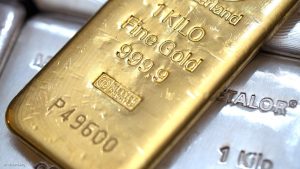
Bullion surged above $5,200 per ounce after rising 1% during the previous session. The Wall Street Journal reported on the IEA proposal, which calls for a release of more than the 182 million barrels that followed Russia’s invasion of Ukraine in 2022.
A gauge of the US dollar fell as much as 0.1 percent, while crude prices lost earlier gains. Investors were also processing contradictory statements from US officials as the US-Israeli war in Iran approached its twelfth day.
The White House stated that the US had not escorted an oil tanker through the Strait of Hormuz in contrast to a now-deleted social media post by Energy Secretary Chris Wright. The waterway, which normally serves as a conduit for a fifth of the world’s oil and liquefied natural gas, has virtually ceased shipping.
Concerns about inflation have grown because of the extreme volatility of energy prices, which has decreased expectations that the Federal Reserve and other central banks will lower interest rates.
Precious metals, which don’t pay interest, are hampered by higher borrowing costs. Investors use bullion, which has increased by about a fifth this year, as a source of liquidity to support other portfolio components. According to David Wilson, director of commodities strategy at BNP Paribas SA, the metal “struggled somewhat under the weight of US dollar strength and falling US equities last week, with gold being sold to cover equity margin calls.”.
At about $5,000 an ounce, physical gold interest, especially in Asia, offered a safety net. The amount of gold held by exchange-traded funds has decreased since the start of the war. According to data gathered by Bloombe, total holdings dropped by almost 30 tons last week, the largest weekly selloff in over two years.
- Check out our free forex signals
- Follow the top economic events on FX Leaders economic calendar
- Trade better, discover more Forex Trading Strategies
- Open a FREE Trading Account
- Read our latest reviews on: Avatrade, Exness, HFM and XM

Related Articles



Sidebar rates

Related Posts
 Save
Save
