Natural Gas Futures Jump after Oil Field Strike
LNG futures ticked upward on Wednesday due to a strike on the Iranian oil field at South Pars, the largest of its kind in the world.
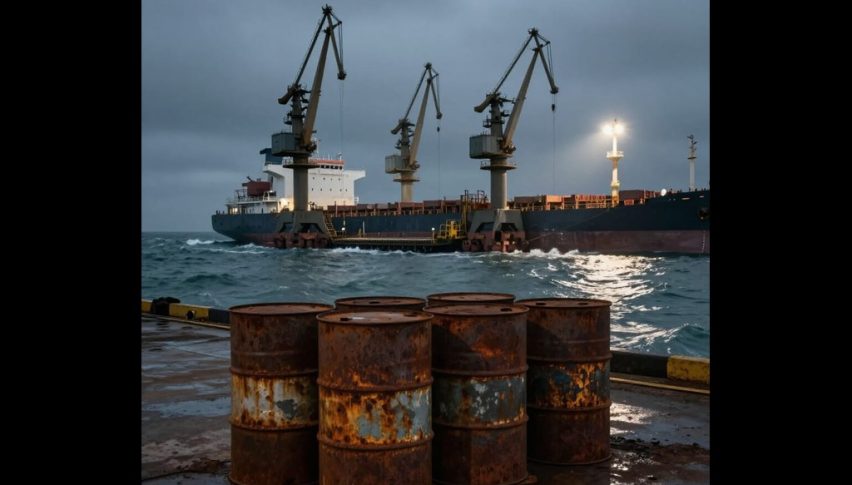
Quick overview
- U.S. LNG futures rose to $3.11 following a military strike by Israeli forces on Iran's South Pars oil field.
- Natural gas prices increased by 2.7%, while oil prices surged to nearly $110 per barrel due to the ongoing conflict.
- President Trump temporarily waived the Jones Act to facilitate faster oil and gas transportation amid the crisis.
- Despite global tensions, U.S. LNG futures are expected to remain stable between $2.95 and $3.30 in the coming weeks.
U.S. LNG futures rose to $3.11 on Wednesday following a devastating military strike by Israeli forces on the Iranian oil field South Pars.
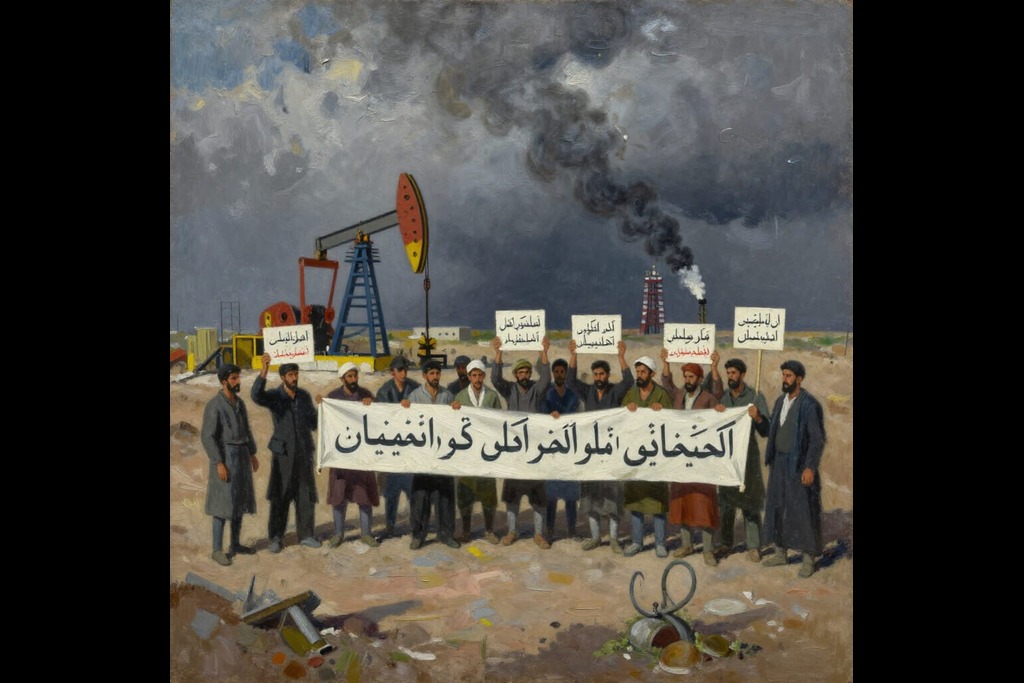
Natural gas climbed 2.7% today as a result of an oil field strike in Iran, and oil skyrocketed to nearly $110 per barrel. These are considerable increases from the previous day when those numbers had dropped, and the market may be in for many similar surprises as the Iran conflict drags on.
South Pars is the largest oil field in the world, and the loss of some of its resources could be devastating to the long-term health of the oil and gas markets. The LNG market in the United States is less affected since domestic and South American suppliers meet most of their needs.
Trump’s Unprecedented Move
In order to ease the transportation of oil and gas to areas where it is badly needed during this ongoing crisis, President Donald Trump has temporarily waived the Jones Act. This legislation requires that goods being shipped on marine vessels between U.S. ports have an American flag on them. This slows down shipments and is specifically hard on the oil industry. With that act out of the way for now, shipping can occur much more rapidly and with fewer hindrances.
This can help shipping companies make up those oil and gas deficits at a time when those supplies are limited by fighting around Iran and the Strait of Hormuz. This move should keep prices low and, coupled with the EIA’s decision to release 400 million barrels of oil from its emergency reserves, the gas market is managing to pull through the conflict with lower prices than it would otherwise. Gas companies are meeting demand more easily and preventing drastic shortages that might occur without the help of the Trump administration and the EIA.
Warm weather and high production levels have also kept LNG futures low in the United States. Even with pressure on the gas markets around the world due to the Middle East conflict, we anticipate that LNG futures for the U.S. market will remain close to their current range, trading between $2.95 and $3.30 for the next few weeks.
In the wake of the gas field strike, Brent crude oil is up 4.9% and Henry Hub is up 3.9%. We anticipate strong fluctuations for the oil and gas markets in the coming weeks until the situation is resolved and shipping and production resume as normal.
- Check out our free forex signals
- Follow the top economic events on FX Leaders economic calendar
- Trade better, discover more Forex Trading Strategies
- Open a FREE Trading Account
- Read our latest reviews on: Avatrade, Exness, HFM and XM

Related Articles


Sidebar rates

Related Posts
 Save
Save
