Iran Attacks Cause Natural Gas Futures to Jump 5%
Natural gas futures are rising rapidly after more attacks in Iran caused oil prices to soar and put global LNG supplies at risk.
Quick overview
- Natural gas prices surged 5% to $3.2 per MMBtu due to escalating tensions between Iran and Israel, impacting gas fields and production plants.
- Iran's missile strike on Qatar's Ras Laffan Industrial City, the largest LNG export plant, could significantly disrupt global LNG supply.
- Despite rising LNG futures, domestic demand remains low, with only 38 billion cubic feet of gas withdrawn, below the expected 42 million.
- If the conflict continues, countries reliant on LNG may seek supplies from the U.S., as the affected region accounts for 20% of the world's LNG supply.
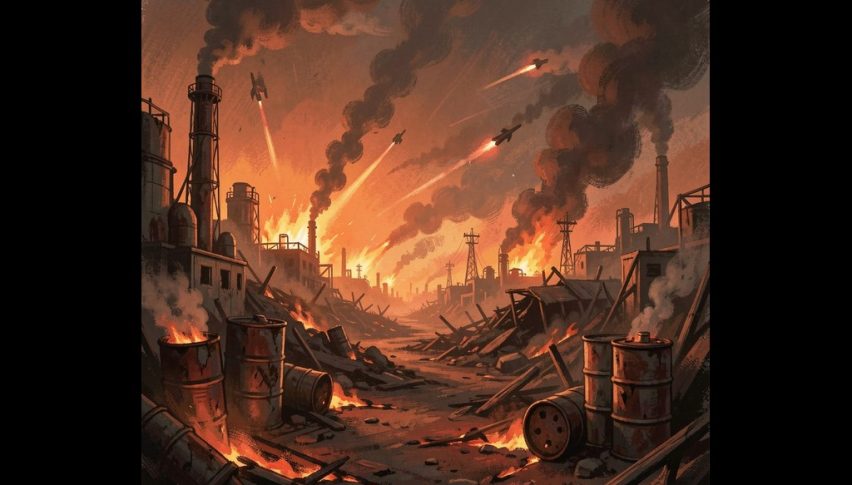
Natural gas gained 5% on Thursday following further fighting between Iran and Israel in the Middle East, with the two countries striking at gas fields and production plants.

Natural gas futures are now at $3.2 per MMBtu in the United States, with an increase of 5% from the previous day. The upswing started after Iran sent a retaliatory strike against Israel by sending missiles to devastate the largest LNG export plant in the world- Qatar’s Ras Laffan Industrial City.
This move could dramatically affect the global supply of LNG, and although the United States may not rely on gas from that part of the world, many other countries do. They may come knocking on the United States’ door asking for supplies soon.
The Global Demand for LNG May Swiftly Increase
LNG futures have turned their losses around, but investors should still keep in mind that the latest EIA report showed that only 38 billion cubic feet of gas was withdrawn from domestic sources. That was lower than the 42 million expected, and the local demand for LNG remains low and continues to fall.
As the weather across the United States warms, there is little need for LNG production plants to provide gas at the same level they were back in January. The missile attacks in the Middle East have had little bearing on local LNG resources, but that could change soon.
If the fighting persists and more facilities, gas fields, and shipments are attacked, then the global supply of natural gas could be in jeopardy. The area where fighting is taking place right now accounts for about 20% of the LNG supply of the world, and if countries in Europe, Asia, and Africa start to experience a gas crisis, they may come calling on U.S. exporters to help them out.
Before the war in Iran started, U.S. LNG export numbers were dropping. Now that gas futures are rising, it is fair to say that the market expects that situation to change.
Brent crude oil rose 6% and hit as high as $114 per barrel this week. The West Texas Intermediate benchmark rose 0.5% Thursday and climbed to just below $96 per barrel. Investors should expect oil prices to continue to increase drastically, even beyond the 16% increase that the European market has experienced since the beginning of the Iran conflict.
- Check out our free forex signals
- Follow the top economic events on FX Leaders economic calendar
- Trade better, discover more Forex Trading Strategies
- Open a FREE Trading Account
- Read our latest reviews on: Avatrade, Exness, HFM and XM

Related Articles

Sidebar rates

Related Posts
 Save
Save
