Mercosur–EU Trade Deal to Take Effect Provisionally on May 1
In practice, the framework will primarily affect the gradual elimination of industrial and agricultural tariffs.

Quick overview
- The European Commission confirmed that the EU-Mercosur free trade agreement will begin provisional application on May 1, without waiting for full ratification by all national parliaments.
- Argentina has completed its internal procedures, while Brazil, Uruguay, and Paraguay must finalize theirs by the deadline to benefit from the agreement.
- The provisional application will enable immediate tariff reductions and export quotas, significantly lowering operating costs for exporters.
- The agreement will create a combined market of over 780 million consumers, allowing companies to operate under new trade rules during the ongoing ratification process.
The European Commission confirmed that the agreement will be partially implemented without waiting for ratification by all national parliaments. Argentina has already completed its internal procedures.
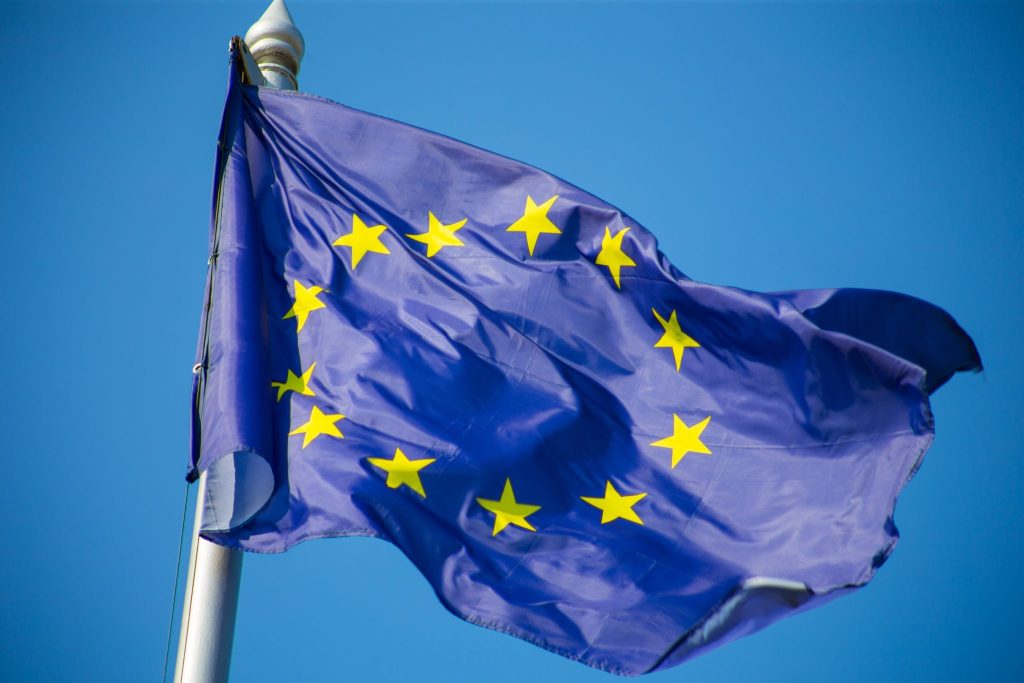
The European Commission announced on Monday that the free trade agreement between the European Union and Mercosur will begin provisional application on May 1, without awaiting formal ratification by all national parliaments across the bloc. The decision was outlined in an official statement, as European courts review a request to investigate the validity of the pact, filed by member states opposing the deal.
What provisional application entails
The mechanism will immediately enable the implementation of agreed tariff reductions and export quotas, limited to the trade pillar of the agreement, which falls under the exclusive competence of EU institutions based in Brussels.
Chapters covering political dialogue and cooperation will continue through the standard ratification process within each EU member state.
In practice, the framework will primarily affect the gradual elimination of industrial and agricultural tariffs. In some sectors, current duties exceed 30%, meaning the liberalization represents a significant reduction in operating costs for exporters on both sides of the Atlantic.
What Mercosur countries need to do
Brazil, Uruguay, and Paraguay must complete their internal notification procedures before the May 1 deadline to access the benefits on time. Argentina has already fulfilled this requirement.
The agreement, which creates a combined market of more than 780 million consumers, will allow companies to operate under the new trade rules immediately, even as the parliamentary ratification process continues across Europe.
- Check out our free forex signals
- Follow the top economic events on FX Leaders economic calendar
- Trade better, discover more Forex Trading Strategies
- Open a FREE Trading Account
- Read our latest reviews on: Avatrade, Exness, HFM and XM

Related Articles

Sidebar rates

Related Posts
 Save
Save
