Gas Futures Find Three-Week Low, Eradicating War Gains
Natural gas futures in the United States are down to their lowest point in weeks as weather forecasts call for higher temperatures.
Quick overview
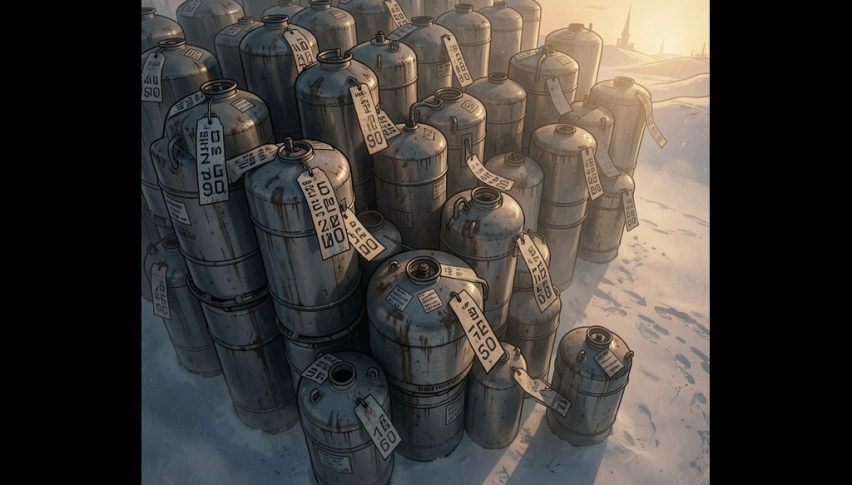
- U.S. natural gas futures have dropped to around $2.90, erasing gains made since the start of the Iran conflict.
- Despite rising LNG prices globally, U.S. demand is falling as warmer temperatures approach, leading to lower export numbers.
- Inventory levels in the U.S. are higher than the 5-year average, contributing to expectations of further price declines.
- Some suppliers in Texas are experiencing negative pricing, selling gas at a loss to manage operational costs amid diminishing demand.
All of the gains made since the beginning of the Iran conflict have been wiped out by Wednesday’s low for U.S. natural gas futures around $2.90.
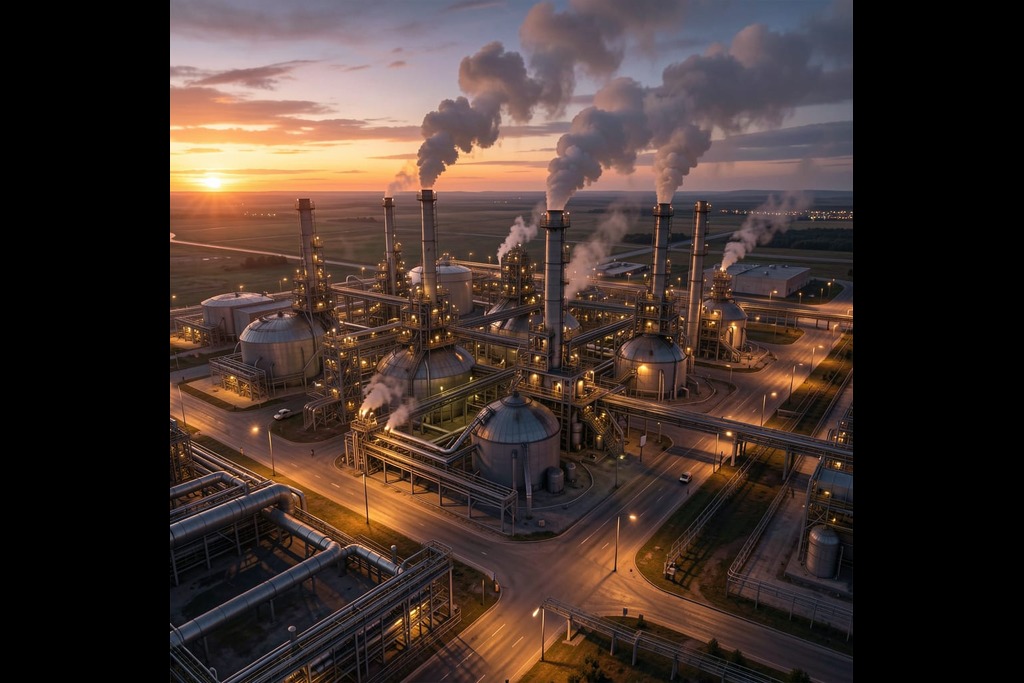
The Iran war has pushed LNG prices higher in the United States, but not as high as in other parts of the world. The increases have been completely erased this week as the price fell around $2.90 per MMBtu. This is the lowest the LNG rate has been in three weeks, and demand is rapidly falling for domestic providers.
LNG pricing charts show weakness throughout the United States and falling interest in the market as demand slips and temperatures warm. The summer months will be here soon, and the natural gas market will hit its 2026 low at that point while heating demand is miniscule. Export numbers are lower as well as the global energy crisis appears to be changing.
Iranian Peace Influences U.S. LNG Less Than Weather
The domestic natural gas market is looking more closely at weather patterns and forecasts than it is at what is happening with oil fields and gas production plants in the Middle East. While global gas markets are fluctuating wildly with each development in Iran, the United States LNG rate is mostly steady. There was a sharp drop on Monday, but that was mostly due to new weather forecasts and inventory level data.
Despite high demand for LNG in areas of the world where the supply is at risk, most of those needs are not being met by United States natural gas suppliers. So, even as fighting continues in the Middle East and the United States and Iran attack one another’s oil inventories, exports from the U.S. have barely increased since the conflict started.
At the same time, inventory levels across the U.S. are higher than they were in February, and they are sitting above the 5-year average. With little demand, warming temperatures, and rising inventory, natural gas is bound for a lower price soon.
LNG suppliers are forced to sell their gas at a discount to cover operating costs as demand diminishes. Some Texas suppliers are recording negative pricing, selling the gas at a loss just to keep their doors open during this period of volatility. The hope that inventors would level out and fall below average levels after strong winter storms in January has disappeared. Production has increased at such a rate that inventories are higher than they have been in a while, and the situation will likely only get worse for those hoping to invest in the natural gas market.
- Check out our free forex signals
- Follow the top economic events on FX Leaders economic calendar
- Trade better, discover more Forex Trading Strategies
- Open a FREE Trading Account
- Read our latest reviews on: Avatrade, Exness, HFM and XM

Related Articles
Sidebar rates

Related Posts
 Save
Save
