Ringgit Hits Multi-Month Low as Iran War Keeps Regional Markets on Edge
Malaysia's ringgit has not had a good week. Six consecutive sessions of losses brought the currency down 0.7% on Thursday alone, pushing ...
Quick overview
- Malaysia's ringgit has experienced six consecutive sessions of losses, dropping nearly 4.00 per dollar, a level not seen since January.
- Despite being a net oil exporter, Malaysia's currency has not benefited from rising crude prices, prompting government action to enhance economic resilience.
- The Philippines is also facing economic pressure, with the central bank unexpectedly holding a rate meeting amid energy supply concerns.
- Broad market declines were observed across Asia, with significant foreign investor sell-offs in emerging market equities totaling around $57 billion since the onset of the war.
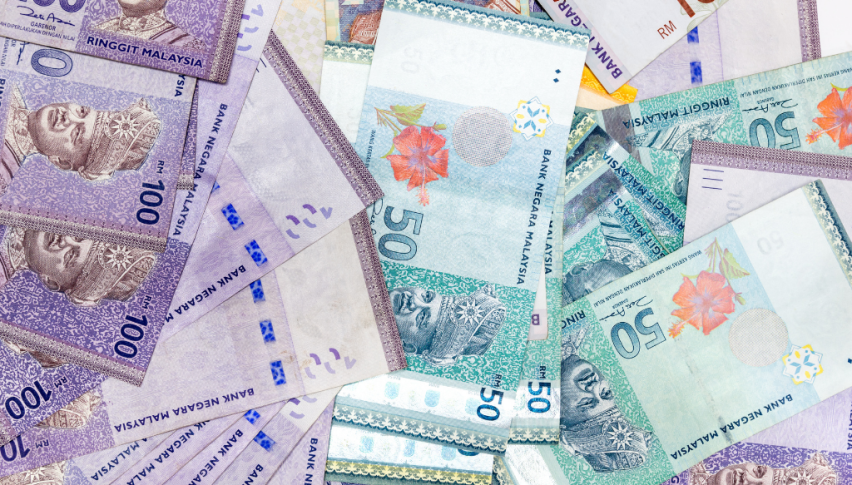
Malaysia’s ringgit has not had a good week. Six consecutive sessions of losses brought the currency down 0.7% on Thursday alone, pushing it to nearly 4.00 per dollar, a level not seen since January. What started the year as a modest outperformer has now given back most of those gains, with year-to-date returns down to just 1.7%.
The irony for Malaysia is that it is a net oil exporter, which historically gives the ringgit some insulation when crude prices climb. That buffer has not been enough this time. Anwar Ibrahim came out Wednesday with a commitment to roll out early measures to shore up economic resilience, energy security included, making clear the government sees the risks as real enough to move on now rather than wait.
The Philippines was dealing with its own version of the pressure. Bangko Sentral ng Pilipinas called a rate meeting nobody had on their calendar, coming in weeks ahead of its April 23 review to tell markets it was holding at 4.25% and watching closely. The country had already gone further earlier in the week, declaring a national energy emergency and pulling the plug on spot electricity trading as fuel supply concerns mounted.
Elsewhere the selling was broad. Seoul dropped 3.2% by the close, standing out even in a down day for the region. Thailand and Indonesia each fell under 2%, while Taiwan and Singapore gave up earlier gains to finish around flat.
Goldman Sachs put a number on the broader damage: foreign investors have net sold around $57 billion in emerging market Asian equities since the war began. Iran’s Foreign Ministry said Thursday it was open to talks if its conditions were met, leaving resolution as uncertain as it has been all week.
- Check out our free forex signals
- Follow the top economic events on FX Leaders economic calendar
- Trade better, discover more Forex Trading Strategies
- Open a FREE Trading Account
- Read our latest reviews on: Avatrade, Exness, HFM and XM

Related Articles


Sidebar rates

Related Posts
 Save
Save
