Goldman Sachs: China Better Positioned Than U.S. for Energy Crisis
One key reason is economic structure. China’s economy maintains stronger state control and more active policy tools.

Quick overview
- Goldman Sachs estimates that the global oil shock could reduce worldwide economic growth by 0.3%–0.4% while increasing prices.
- China is better positioned than the United States to handle rising energy costs due to its economic structure and policy tools.
- The U.S. economy is more vulnerable to higher oil prices, which could lead to job losses and increased inflation.
- Despite its resilience, China is not immune to the effects of a prolonged oil shock, which could still impact its economy.
Goldman Sachs estimates that the global oil shock could shave about 0.3%–0.4% off worldwide economic growth while also putting upward pressure on prices.
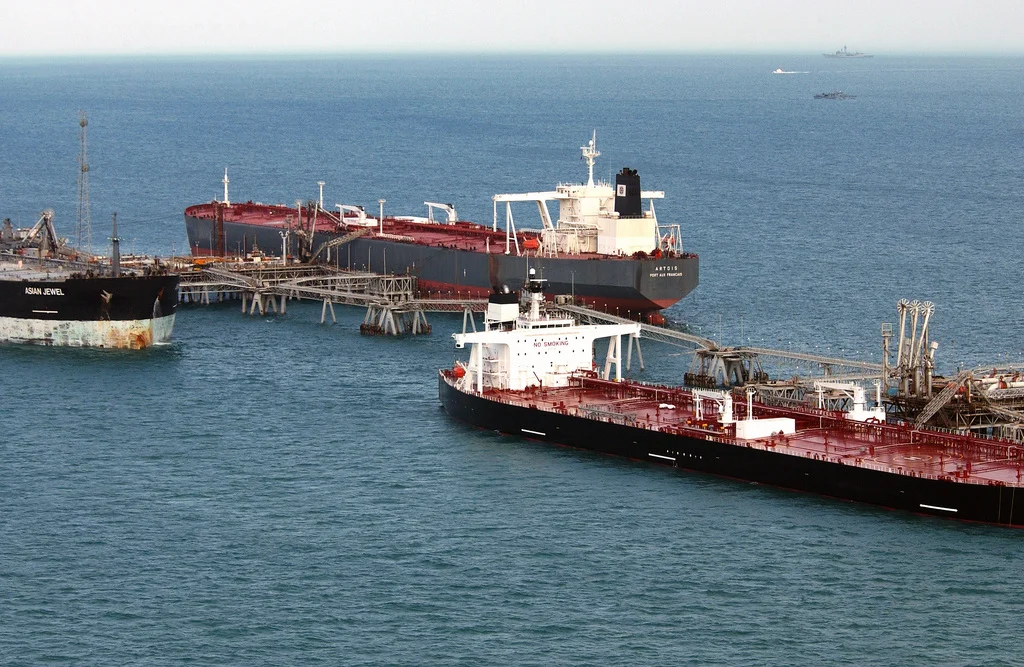
The recent surge in oil prices is creating clear divergences among the world’s major economies. In this context, strategists at Goldman Sachs say China appears better positioned than the United States to absorb the impact of an energy shock.
The starting point is the sharp rise in crude prices driven by geopolitical tensions in the Middle East. Oil has already climbed above key levels near $100 per barrel, with direct consequences for global inflation and economic growth.
Goldman Sachs estimates that the shock could trim global growth by roughly 0.3%–0.4% while simultaneously pushing prices higher.
China’s relative resilience
However, the impact is not uniform. China appears to have greater resilience to rising energy costs, while the United States looks more exposed to the consequences.
One key reason is economic structure. China’s economy maintains stronger state control and more active policy tools to cushion external shocks.
The country also has several mechanisms at its disposal, including strategic reserves, price interventions, and targeted fiscal stimulus. These tools allow authorities to soften the impact of higher oil prices on consumers and businesses, limiting the direct pass-through to inflation and consumption.
The U.S. challenge
By contrast, the U.S. economy relies more heavily on domestic consumption, making it more sensitive to higher energy prices.
According to the bank’s estimates, the oil shock could reduce U.S. employment by around 10,000 jobs per month, reflecting a gradual cooling in economic activity.
Inflation dynamics are another key factor. In the United States, higher oil prices tend to pass through quickly to consumer prices, eroding purchasing power.
China, on the other hand, maintains relatively contained inflation, partly because of its lower dependence on private consumption and the greater weight of the industrial sector.
External positioning also plays a role. While many emerging economies suffer deterioration in their external balances when oil prices rise, China can mitigate these effects thanks to its scale, diversified production base, and tighter financial controls.
Financial markets add another layer. Chinese markets have shown relatively greater stability amid recent global volatility, suggesting investors see the country as a relative haven within the emerging-market universe under current conditions.
Still, Goldman Sachs cautioned that China would not be immune. A prolonged oil shock could also weigh on its economy, particularly if the energy crisis deepens or persists over time.
- Check out our free forex signals
- Follow the top economic events on FX Leaders economic calendar
- Trade better, discover more Forex Trading Strategies
- Open a FREE Trading Account
- Read our latest reviews on: Avatrade, Exness, HFM and XM

Related Articles
Sidebar rates


