Cold Weather Helps Natural Gas Recover from Recent Losses
Natural gas rates are higher after cold weather entered the northern United States unexpectedly.
Quick overview
- The U.S. natural gas market saw a slight increase of over 1% on Monday due to unexpected cold weather boosting demand.
- LNG prices rose to $2.85 per MMBtu, but are still near their lowest levels since August of last year.
- Forecasts predict that the cold snap will be short-lived, with warmer temperatures expected to return soon.
- Production is anticipated to increase in the coming months, potentially raising inventory levels to average or above.
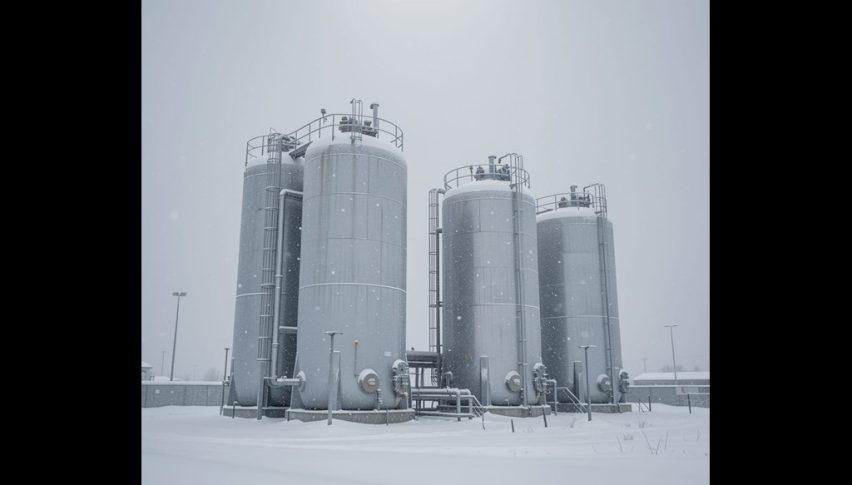
The U.S. natural gas market can boast of moderate gains Monday morning after a cold weather snap reversed the price trend and pushed LNG to $2.85 per MMBtu.
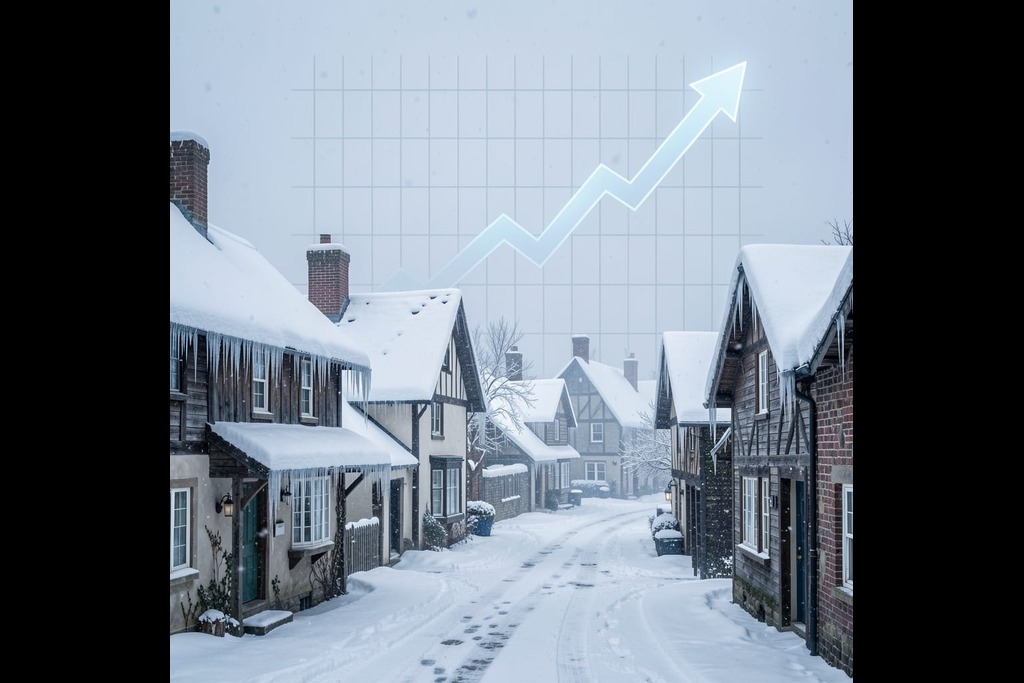
Prices in the natural gas market for the U.S. rose a little over 1% on Monday after cold weather hit unexpectedly and increased demand. Much of the United States is temperate, but cold weather in some areas has helped drive the price up marginally at a time when gas prices are ticking down globally.
The United States and Iran are working on a ceasefire that would reopen the Strait of Hormuz as soon as Tuesday, and crude oil slipped about 1% from their recent highs. Investors should keep in mind that the conflict in Iran and global shortages of crude oil and natural gas are not affecting U.S. domestic markets much. However, export demand may rise if global deficiencies continue.
Expect LNG Rates to Drop Soon
The unexpected cold weather is likely to be short-lived and not affect the majority of U.S. households. Weather forecasts are calling for ice and snow across the Midwest and all the way through to New England’s northern region. Dropping temperatures are expected to remain through Saturday of this week and could cause travel disruptions, store closures, and slippery roads. All of that could impact transportation of natural gas, gas production, and heating demand.
LNG rates are still relatively low, very close to their lowest point since August of last year. Warmer weather has spread through much of the United States, and forecasts are calling for rising temperatures to continue in the weeks to come.
The most recent EIA data reported a 36 Bcf injection for the week and a withdrawal average over five years of 4 Bcf. Production is expected to ramp up through the spring and summer, especially with the addition of new production facilities in the region and new production lines to be installed in existing facilities.
That should raise the inventory levels to around average or slightly above and lead to conditions similar to what we saw last year. Through spring, summer and fall months, the inventory levels for LNG remained high and demand was low, creating very low prices for the domestic market amid stagnant conditions and above-average injections.
- Check out our free forex signals
- Follow the top economic events on FX Leaders economic calendar
- Trade better, discover more Forex Trading Strategies
- Open a FREE Trading Account
- Read our latest reviews on: Avatrade, Exness, HFM and XM

Related Articles


Sidebar rates

Related Posts
 Save
Save
