JPMorgan Chase Turns More Political, Calls for a Stronger U.S. Military
Last week, JPMorgan introduced the “American Dream Initiative,” aimed at expanding economic opportunities.
Quick overview
- Jamie Dimon emphasized the need for the U.S. to strengthen its military and economic power to maintain its global position.
- JPMorgan Chase announced plans to invest over $1 trillion in initiatives aimed at enhancing national security and economic resilience.
- Dimon's shareholder letter highlighted critical issues such as the need for a free-trade agreement with Europe and concerns over rising geopolitical risks.
- He warned about vulnerabilities in the financial system and the rapid adoption of artificial intelligence, urging cities to remain competitive.
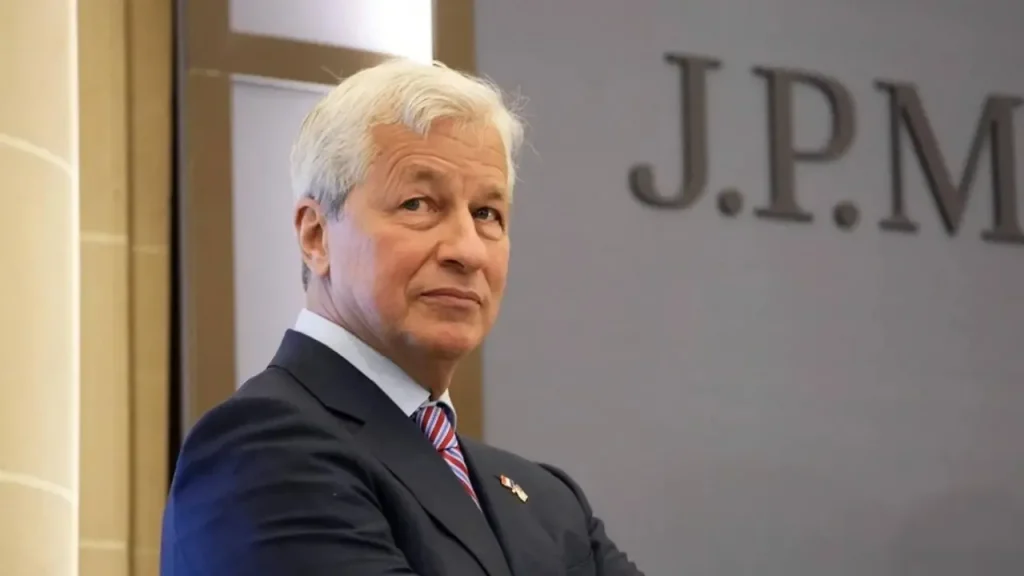
The chief executive of JPMorgan Chase, Jamie Dimon, signaled a growing political stance by arguing that the United States must “strengthen itself” to maintain both its military and economic power.
The comments came alongside new financing initiatives announced by the bank, including plans to invest more than $1 trillion in sectors linked to national security and economic resilience.
“With the right policies and decisive actions, the United States will maintain the strongest military and economy, and will continue to be the bastion of freedom and the arsenal of democracy. But no country has a divine right to success,” Dimon wrote in a shareholder letter reported by Bloomberg L.P..
Major investment initiatives
Last week, JPMorgan introduced the “American Dream Initiative,” aimed at expanding economic opportunities across local communities in the United States.
The program follows the “Security and Resilience Initiative,” announced in October, through which the bank committed to investing $1.5 trillion over the next decade in sectors intended to strengthen U.S. economic resilience and national security.
These moves reflect Dimon’s long-standing political interest, which has become more explicit in recent years.
“We have a responsibility to contribute to shaping the right policies—not just for our company, but for the country and the world. Many companies will only thrive if their countries thrive,” Dimon wrote.
“Critical issues facing the United States and the world”
Dimon’s 48-page letter includes a section titled “Critical Issues Facing the United States and the World,” the longest part of the document. In it, he calls for a major free-trade agreement with Europe, combined with economic and military reforms.
He also warned about rising geopolitical risks, particularly in light of the ongoing conflict in the Middle East.
Among other concerns, Dimon highlighted potential risks in the private credit market, noting that emerging credit losses could signal broader vulnerabilities in the financial system.
He added that private equity investments now remain in portfolios for an average of seven years, nearly double the historical norm, and cautioned that markets have experienced largely bullish conditions since the 2008 financial crisis, raising questions about how investors might react during a prolonged downturn.
Dimon also stressed that cities must remain competitive and predicted that the adoption of artificial intelligence could spread far faster than previous technological revolutions such as electricity or the internet.
“We are not going to ignore reality,” he said.
- Check out our free forex signals
- Follow the top economic events on FX Leaders economic calendar
- Trade better, discover more Forex Trading Strategies
- Open a FREE Trading Account
- Read our latest reviews on: Avatrade, Exness, HFM and XM

Related Articles
Sidebar rates


