Asia’s Currency Problem Is Getting Harder to Manage
The Iran war has been bad for oil prices everywhere, but Asia is taking the hit harder than most. The region imports roughly 60% of its ...

Quick overview
- The Iran war has significantly impacted oil prices, with Brent crude rising 55% since late February, affecting inflation and currencies in Asia.
- Emerging market currencies in Asia, including India's rupee and Indonesia's rupiah, have fallen sharply, with some hitting record lows against the dollar.
- Policymakers face challenges in defending their currencies due to the dual pressures of rising oil prices and a strengthening dollar, complicating traditional intervention strategies.
- Asia's oil and gas trade deficit could escalate from 2.1% to 6.5% of GDP if high oil prices persist, threatening economic growth in several countries.
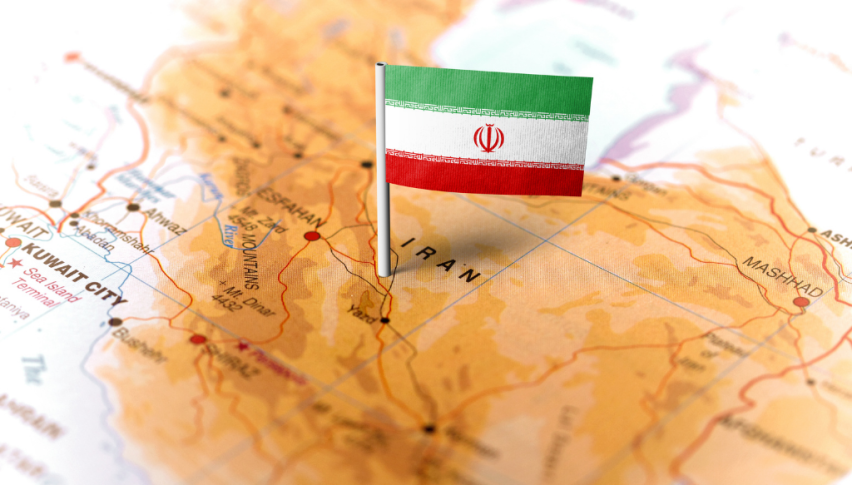
The Iran war has been bad for oil prices everywhere, but Asia is taking the hit harder than most. The region imports roughly 60% of its crude from the Middle East, and Brent has climbed 55% since the conflict started at the end of February. That kind of move does not stay contained in energy markets. It spills into inflation, it pressures current accounts, and eventually it shows up in currencies.
That last part is already happening. The MSCI emerging market currency index fell 3% in March, its worst monthly performance since late 2022. India’s rupee, Indonesia’s rupiah, and the Philippine peso all dropped to record lows against the dollar. Both India and the Philippines have already stepped into the FX market to defend their currencies. Japan and South Korea, despite running stronger external balances, have not escaped either. The won hit a 17-year low. The yen is sitting around 160 per dollar, a level that has Tokyo’s finance ministry watching very closely.
The difficulty for policymakers is that the usual playbook does not quite fit this situation. When an energy shock drives up the dollar at the same time it drives up oil prices, defending your currency gets expensive fast. BNY’s head of markets macro strategy described it as an FX intervention trilemma. You are fighting two things at once with tools that were not really designed for that combination.
The numbers from Morgan Stanley add further weight to the concern. Asia’s oil and gas trade deficit sits around 2.1% of GDP. If Brent stays near $120 and gas prices hold, that burden could climb toward 6.5% of GDP, which is the territory where demand starts to collapse and growth turns genuinely fragile. Thailand, South Korea, Taiwan, India, and Japan are the most exposed.
What makes the situation more complicated is that several Asian central banks appear to have already started selling US Treasuries to fund currency defense. Deutsche Bank estimated that around 80% of the drop in foreign holdings at the New York Fed in March came from active selling. If the Strait of Hormuz stays closed and no resolution emerges, that selling is likely to continue and intensify.
- Check out our free forex signals
- Follow the top economic events on FX Leaders economic calendar
- Trade better, discover more Forex Trading Strategies
- Open a FREE Trading Account
- Read our latest reviews on: Avatrade, Exness, HFM and XM

Related Articles

Sidebar rates

Related Posts
 Save
Save
