China Hoards Silver as Demand Surges, Tightening Global Supply
China's insatiable appetite for silver drove overseas purchases to an eight-year high at the beginning of 2026 as importers fueled a spike in industrial and investment demand.
Quick overview
- China's silver imports reached an eight-year high in early 2026, driven by strong industrial and investment demand.
- The largest buyer imported over 790 tons of silver in the first two months, with February seeing record levels.
- Speculative buying led to a 70% surge in silver prices at the year's start, followed by significant volatility.
- New export regulations from China may increase market volatility and reduce liquidity, impacting global silver trade.
China’s insatiable appetite for silver drove overseas purchases to an eight-year high at the beginning of 2026 as importers fueled a spike in industrial and investment demand.
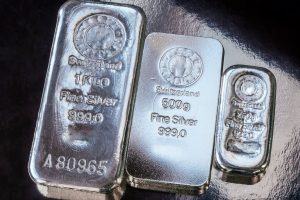
According to Chinese customs data released on Friday, the largest buyer received over 790 tons in the first two months, including nearly 470 tons in February—the highest amount ever for that month. Due to strong demand, local prices have risen significantly above global benchmarks, reducing already low exchange reserves and acquiring metal from overseas.
A wave of speculative buying from China and other countries caused silver prices to soar by roughly 70% at the beginning of the year, but at the end of January, they abruptly gave up their gains. This was the most volatile start to a year for silver prices. The robust import numbers indicate that, despite changes in trade flows, physical consumption in China has continued.
Demand has come from solar manufacturers front-loading production and retail investors hoarding silver bars as an alternative to increasingly expensive gold.
Chinese trade policy is another source of stress for the world silver market. China has approved 44 companies to export silver in 2026 and 2027, according to a late December Reuters report. This demonstrates that exports are now part of a regulated system rather than being free. This is a crucial structural factor for a market that is already experiencing tight inventories.
Goldman Sachs had already noted that China’s new export restrictions might make the silver market even more volatile. Since January 1, 2026, China has required authorization for outgoing shipments of silver.
This raises the possibility that price fluctuations will become more pronounced and liquidity will decrease. Instead of operating as a cohesive worldwide system, the market would then become more divided into local submarkets. Inventory and physical availability become crucial, especially in such a setting.
- Check out our free forex signals
- Follow the top economic events on FX Leaders economic calendar
- Trade better, discover more Forex Trading Strategies
- Open a FREE Trading Account
- Read our latest reviews on: Avatrade, Exness, HFM and XM

Related Articles
Sidebar rates

Related Posts
 Save
Save
