Iran’s Bitcoin Mining Hashrate Plummets 77% As Global Network Absorbs Shock
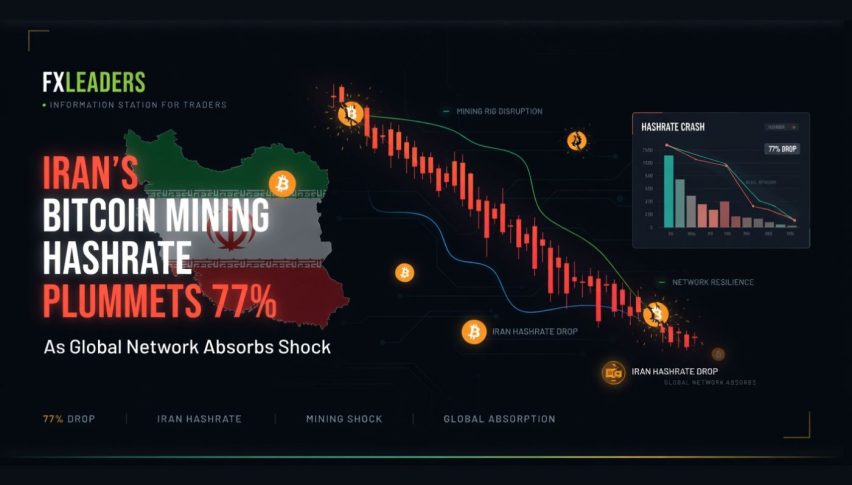
Iran's Bitcoin mining industry has taken a serious hit, with its hash rate plummeting a whopping 77% in the last quarter...
Quick overview
- Iran's Bitcoin mining hash rate has dropped 77% in the last quarter, largely due to geopolitical tensions with the US and Israel.
- Despite Iran's decline, the global Bitcoin hash rate remains stable at around 1,000 EH/s, indicating no immediate threat to network security.
- The situation highlights the mobility of mining operations, as miners shift to regions with better energy costs and infrastructure.
- Industry experts view the Iranian decline as a temporary issue, emphasizing that efficiency and cost management are crucial for miners.
Iran’s Bitcoin mining industry has taken a serious hit, with its hash rate plummeting a whopping 77% in the last quarter to about 2 exahashes per second. This massive slide is largely due to regional tensions and an uptick in geopolitical risks, and it highlights the vulnerability of localized mining markets, even when global networks remain robust.
Iran Takes a Mining Hit as Geopolitics Get Messy
According to the Hashrate Index, Iran has seen its mining power drop by around 7 EH/s quarter over quarter. Analysts point to ongoing conflicts with the US and Israel as the main culprits behind the sharp decline, which has disrupted energy supplies and made it tough for miners to keep their operations running smoothly.
Despite Iran’s mining woes, neighboring hubs like the UAE and Oman have barely been affected. The global Bitcoin hash rate is still around 1,000 EH/s, which means there’s no immediate threat to the security or transaction processing of the network.
- There are an estimated 427,000 active mining rigs in Iran currently.
- Many of those are older rigs that got shut down as declining Bitcoin prices put pressure on profit margins.
This situation is a great illustration of how decentralized the Bitcoin mining network is. Even when one region stumbles, other global hubs can pick up the slack and keep the network running.
As Iran’s Mining Drops, Global Hashrate Takes a Smaller Hit
The global Bitcoin network has experienced a bit of a smaller, but still notable, reduction in its hash power. The 30-day moving average of the global hashrate fell from 1,066 EH/s in the first quarter to 1,004 EH/s in the second quarter – a decline of 5.8%. Analysts think this is largely due to falling Bitcoin prices rather than any regulatory or energy issues.
https://hashrateindex.com/blog/global-hashrate-heatmap-update-q2-2026/
Bitcoin has now dropped more than 45% from its all-time high of $126,000 back in October. That’s had a big impact on mining revenue and hash prices have hit record lows. As a result:
- Rigs that use more than 25 joules per terahash often can’t make a profit and get turned off.
- A lot of rigs – around 252 EH/s worth – that are less efficient are currently offline.
It’s worth noting that the industry experts see this as a shift in mining operations driven by economic incentives rather than a major disruption.
Mining Power Keeps Shifting – And That’s Okay
The Iran case is a great illustration of a broader trend in the Bitcoin ecosystem: mining power is highly mobile. Operators move their rigs to places with cheaper electricity, newer equipment and better profit margins, leaving regions with lesser conditions to absorb the losses.
Industry insiders note that the Iranian decline is temporary and localized – it doesn’t represent a global crisis. With the US, China and Russia dominating the network with over 65% of the mining power, regional fluctuations are unlikely to compromise the security or efficiency of the Bitcoin network.
- Mining remains concentrated in the few places that have the best energy and infrastructure.
- Regional shocks shift capacity around but don’t collapse the network.
What This Means for Miners and Markets
For miners, the current state of the game is a reminder that efficiency and cost management are key to success. Older rigs in high-cost or politically unstable regions are under pressure, while more modern operations in stable hubs are dominating the global hash distribution.
For traders and analysts, the Iranian drop is a reminder that geopolitical factors can have a temporary impact on hashpower and mining profitability, but global Bitcoin security remains robust. They should keep an eye on energy markets and regional developments, as these factors will continue to shape the evolving mining landscape.
- Check out our free forex signals
- Follow the top economic events on FX Leaders economic calendar
- Trade better, discover more Forex Trading Strategies
- Open a FREE Trading Account
- Read our latest reviews on: Avatrade, Exness, HFM and XM

Related Articles

Sidebar rates

Related Posts
 Save
Save
