Crude Oil Prices Hold Gains After Attacks Cut Saudi Production Capacity
West Texas Intermediate was close to $98 per barrel.
Quick overview
- Oil prices rose following Saudi Arabia's announcement of reduced production capacity due to attacks on energy infrastructure.
- Brent crude is down over 11% this week despite a recent increase to about $96 per barrel.
- Saudi Arabia's production capacity has been cut by approximately 600,000 barrels per day, impacting about 10% of its crude exports.
- Countries like Japan and India are tapping into reserves and limiting fuel purchases in response to the situation.
Oil prices increased on the second day following Saudi Arabia’s announcement that attacks on energy infrastructure had reduced its production capacity. Futures are still on track to experience their largest weekly loss since June.
Brent is still down more than 11 percent this week after the US and Iran announced a ceasefire on Tuesday, but it rose to about $96 after gaining 1.2 percent on Thursday in turbulent trading. West Texas Intermediate was close to $98 per barrel.
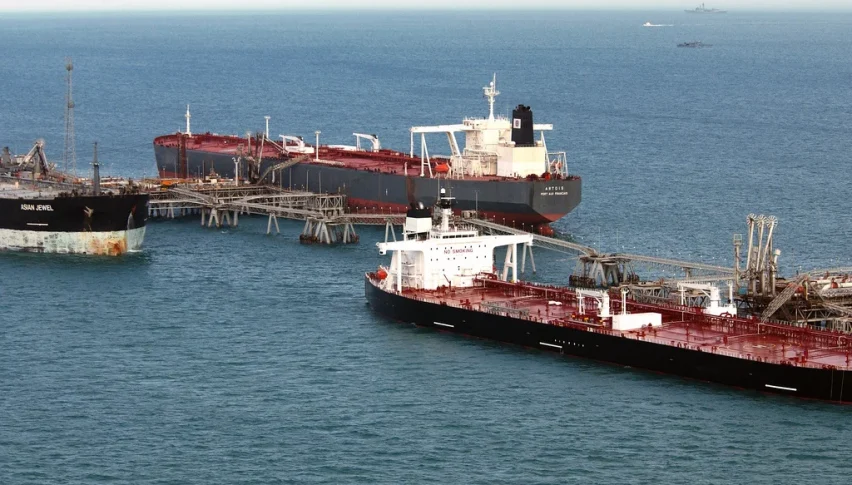
Attacks on energy infrastructure have reduced Saudi Arabia’s production capacity by about 600,000 barrels per day, according to the country’s press agency. According to Bloomberg calculations, that amount represents about 10% of the kingdom’s typical crude exports.
According to the report, attacks on a pumping station that supplies the East-West pipeline, which Saudi Arabia has been using to export crude via the Red Sea, reduced daily throughput by 700,000 barrels this week.
Japan and other nations that depend significantly on Middle Eastern goods tap into inventories. According to Prime Minister Sanae Takaichi, the Asian country will release roughly 20 days’ worth of oil from its reserves in May. The largest private refiner in India has begun to limit fuel purchases at pumps to control stocks, while state refiners in China have been authorized to access commercial reserves.
While Prime Minister Benjamin Netanyahu reaffirmed that the ongoing attacks were not a part of the US-Iran ceasefire agreement, US President Donald Trump stated on Thursday that he was “very optimistic” about a deal with Iran and that Israel was “going to low-key” it with strikes on Tehran-backed Hezbollah militants in Lebanon. Later, Tehran was threatened by Trump for imposing fees in the Strait of Hormuz.
- Check out our free forex signals
- Follow the top economic events on FX Leaders economic calendar
- Trade better, discover more Forex Trading Strategies
- Open a FREE Trading Account
- Read our latest reviews on: Avatrade, Exness, HFM and XM

Related Articles
Sidebar rates


