U.S. Inflation Jumps to 3.3% Year-on-Year in March Amid War Impact
On a monthly basis, consumer prices increased 0.9%, the sharpest rise since June 2022, in the early stages of Russia’s invasion.
Quick overview
- U.S. inflation rose 3.3% year-on-year in March, marking the largest increase since May 2023.
- Monthly consumer prices increased by 0.9%, the sharpest rise since June 2022, driven primarily by a surge in energy prices.
- Core inflation, excluding food and energy, rose 0.2% month-on-month and 2.6% year-on-year, slightly above February's figures.
- The housing index increased by 0.3% in March, while the food index remained unchanged.
The figure came in slightly below economists’ expectations. Even so, it marked the largest increase since May 2023, during the early months of the war in Ukraine.
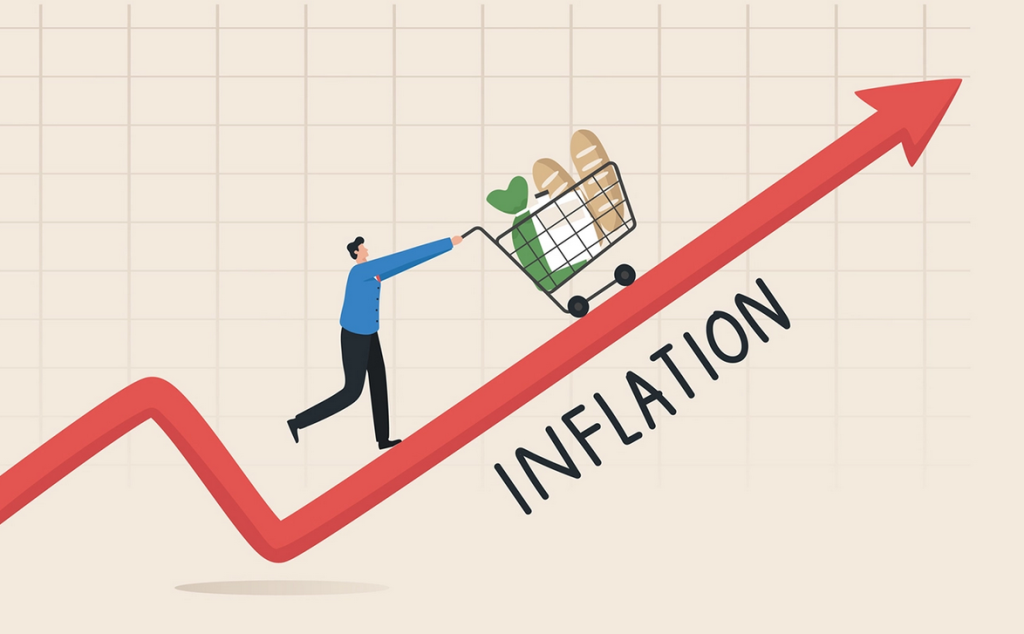
U.S. inflation rose 3.3% year-on-year in March, the first month in which volatility in global oil prices stemming from the conflict in the Middle East began to significantly affect the U.S. economy. On a monthly basis, consumer prices increased 0.9%, the sharpest rise since June 2022, in the early stages of Russia’s invasion of Ukraine.
Although the reading came in slightly below market forecasts, it represented a sharp acceleration from February, when annual inflation stood at 2.4% and the monthly increase was 0.3%.
Breaking down the data, the energy sector made the largest contribution to price growth, adding 0.69 percentage points to the monthly reading and 0.79 points to the annual rate, following a 10.9% jump in the energy component, driven largely by a 21.2% surge in fuel prices.
Core inflation—excluding the most volatile components of the consumer price index, such as food and energy—rose 0.2% month-on-month and 2.6% year-on-year, just 0.1 percentage points above February’s figures.
“There is a lag between oil prices and core inflation,” said Cooper Howard, director of fixed income research and strategy at the Schwab Center for Financial Research (SCFR). “The longer oil prices remain elevated, the greater the likelihood that the impact will eventually show up in the core CPI,” he added.
Beyond the impact of fuel
In its report, the U.S. Bureau of Labor Statistics (BLS) said the housing index increased 0.3% in March.
The food index remained unchanged during the month, as the index for food away from home rose 0.2%, while the index for food at home declined 0.2%.
The report also showed that core goods prices increased 1.2% year-on-year, 0.2 percentage points faster than in February, while core services prices rose 3% annually, unchanged from the previous period.
- Check out our free forex signals
- Follow the top economic events on FX Leaders economic calendar
- Trade better, discover more Forex Trading Strategies
- Open a FREE Trading Account
- Read our latest reviews on: Avatrade, Exness, HFM and XM

Related Articles
Sidebar rates


