Weak Domestic Demand Causes U.S. Natural Gas Prices to Slip Friday
Natural gas rates are down in the United States due to low demand and ample supply in the inventories.

Quick overview
- Natural gas futures in the U.S. fell 0.5% to around $2.65 per British thermal unit due to low demand and high inventory levels.
- The EIA reported a significant increase in inventory, with 50 Bcf injected compared to last week's 36 Bcf.
- Mild weather is expected to keep heating demand low, while natural gas production remains high, pushing inventories above average.
- Despite recent geopolitical tensions, U.S. LNG prices are expected to remain stable due to ample supply and high inventory levels.
On Friday, natural gas futures in the United States dropped 0.5% and hit a low not seen since 2024, and the small drop is due to decreasing local demand and high inventory levels.

Natural gas futures are now around $2.65 per British thermal unit after demand further diminished and supply levels were reported as high. The EIA gave its latest report on withdrawals and reported that 50 Bcf was injected into the inventory. That is a big leap from last week’s 36 Bcf.
Demand is expected to remain low across the United States since warm weather is coming in. Production of natural gas throughout the United States is still high, and it is close to record levels, pushing inventories above average as spring gets underway.
Weather Forecasts Say to Expect Mild Temperatures
The weather reports coming in this week are calling for temperate weeks ahead. Heating demand should stay minimal across much of the United States. Despite some snow and ice still prevalent in a few of the northern states, most of the U.S. is experiencing balmy spring weather.
The domestic LNG market is amply supplied and should stay that way for months ahead. It also appears that the conflict in Iran is settling down, with a ceasefire in place to keep Iran, Israel, and the United States from attacking one another. The conflict has caused gas and oil prices to soar in recent weeks, but the U.S. LNG rates have moved only mildly during that time.
Over the last few weeks, the U.S. LNG market saw a battle happening over the $3 level, but with a price well below that now, traders are going to have to settle for fluctuations between $2.50 and $2.80 in the weeks ahead. Even if there is another conflagration in the Middle East, the high inventory levels in the United States LNG market should keep prices subdued.
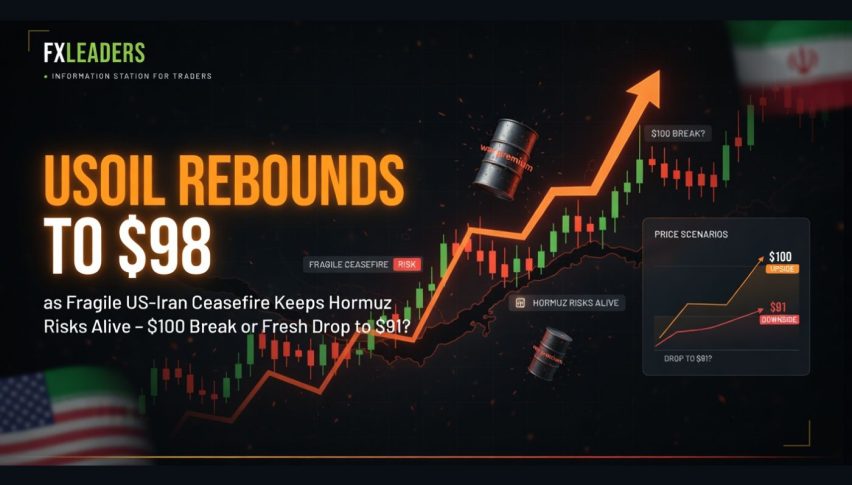
Brent crude oil is now at $96.58 per barrel, and West Texas Intermediate futures are trading at just under $100 a barrel. That is a decrease from last week’s highs, and the prices indicate a slowdown in trading and a settling down for the global energy crisis. Last week, before the ceasefire was in place, there were worries that the United States’ LNG supply would be needed elsewhere to meet pressing needs, but that is not the case anymore.
- Check out our free forex signals
- Follow the top economic events on FX Leaders economic calendar
- Trade better, discover more Forex Trading Strategies
- Open a FREE Trading Account
- Read our latest reviews on: Avatrade, Exness, HFM and XM

Related Articles


Sidebar rates

Related Posts
 Save
Save
